


Buy now pay later has quietly moved from fashion checkouts to flight searches and hotel bookings, and Zip is one of the names that now appears alongside more familiar players like Klarna, Affirm and PayPal Pay Later. For travelers trying to spread out the cost of a trip without turning to a traditional credit card, Zip can look tempting. Yet fees, app quirks and limited airline support mean it is worth comparing Zip carefully with other travel financing options before you lock in that dream vacation.
Get the latest updates straight to your inbox!
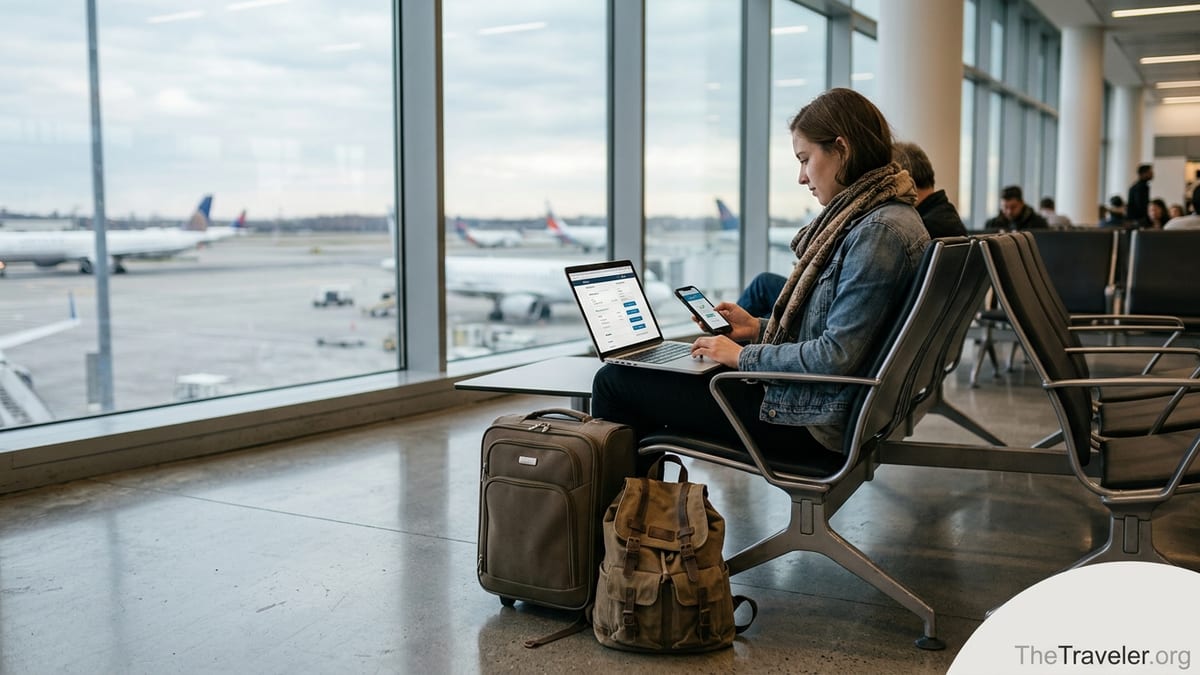
How Zip Fits Into the Buy Now Pay Later Travel Landscape
Zip is a buy now pay later provider that lets you split purchases into four installments, typically paid over six weeks, using a virtual card in its app. It evolved from Zip Pay and Zip Money in Australia into a global BNPL brand that now targets U.S. consumers and online merchants, including in the travel sector. Rather than being built only into one airline or hotel chain, Zip is mainly used wherever its virtual card is accepted or where it has a direct merchant integration.
On its own travel pages, Zip promotes the ability to use its service for flights, hotels, car rentals, cruises and other trip costs. The value proposition is simple: your booking is confirmed once the first installment is approved, while you pay the rest over time. In practice, that usually means a 25 percent upfront payment followed by three equal payments every two weeks, along with a small fixed fee per installment in many U.S. states. Zip positions this as a way to handle last minute trips or big once a year vacations without putting the entire fare on a credit card at once.
This approach sits inside a broader shift in travel payments. Major flight search brands like Skyscanner now highlight Klarna, Flex Pay and PayPal Pay Later at checkout, and platforms such as Laters and Travorio build their entire model around offering multiple BNPL choices for flights and hotels. Airlines like Southwest and Alaska partner directly with providers such as Uplift, while vacation packaging arms like Delta Vacations rely on Affirm loans. Against this backdrop, Zip is one option among many, with its main advantage being flexibility wherever its virtual card is accepted rather than deep integration with a single airline.
For travelers, the key question is not just whether Zip can technically be used for travel, but whether it works as smoothly and affordably as rival BNPL tools that are more deeply embedded in flight and hotel checkouts. That is where real world experience and careful comparison become crucial.
Using Zip for Flights, Hotels and Trip Expenses
In theory, Zip can be used for most travel purchases that accept major card networks. A traveler planning a summer trip from Chicago to Los Angeles might search flights through an online travel agency, then at checkout use the Zip virtual card to split a 450 dollar fare into four payments of about 120 dollars each after fees. The ticket would be issued like any standard card booking, and the traveler would then see the installments scheduled directly in the Zip app. The same structure could apply to a 900 dollar weeklong stay at a mid range hotel, broken into roughly 240 dollar installments.
Zip also markets itself as covering incidental travel costs such as rental cars, fuel and restaurants. A common scenario is a long weekend road trip where a traveler uses Zip for a 280 dollar car rental, 160 dollars of gas and a 220 dollar budget hotel stay, all charged through merchants that already accept the card network backing Zip. In that case, the total of 660 dollars might be spread across four payments of around 170 dollars, with the first due at booking and the rest drawn automatically from a linked debit card.
However the experience is not always seamless. Zip’s own virtual card must be approved for each purchase, and online reports show mixed outcomes when it comes to flights. Some travelers describe successful bookings of domestic flights, while others report that Zip no longer consistently supports airlines or that airline transactions are declined without a clear reason. In one discussion, users mentioned finding airlines listed in the travel category of the Zip app but then encountering declines, leading to confusion about which routes and providers still work in practice.
Because of this inconsistency, many frequent travelers now treat Zip as a backup for more general travel related bills rather than a primary way to book airfare. Hotels booked through major online travel agencies, car rentals through well known brands and expenses like airport parking or luggage can often go through without issue, but relying on Zip as the only payment method for a critical international flight or a nonrefundable tour can be risky. If you decide to use it, it is smart to have a standard card ready as a fallback at checkout.
Fees, Interest and How Zip Compares on Cost
Unlike some BNPL providers that emphasize no fees at all on pay in 4 plans, Zip’s model often relies on small flat fees charged per installment rather than charging interest. A typical U.S. user might see a 1 dollar to 2 dollar fee added to each installment, so a four payment purchase could cost an extra 4 dollars to 8 dollars overall. On a 400 dollar domestic flight this works out to an effective cost of about 1 percent or 2 percent, which is relatively low compared with many credit card interest rates if you would otherwise carry a balance for several months.
The cost picture changes if you run into late payments. Zip can charge late fees when installments are missed or accounts fall behind, and those can stack up alongside the original transaction fees. While individual late charges may be modest, frequent use and multiple active plans for different travel costs can make the overall burden feel heavy. Some users have reported situations where glitches or unclear schedules led to overdrafts or unexpected fees when multiple withdrawals hit their bank account close together.
When compared with other travel focused BNPL options, Zip generally looks cheaper than full scale installment loans but slightly more expensive than pure zero fee pay in 4 providers. Affirm, for example, often offers longer term loans for big vacation packages, such as a 2,000 dollar resort stay paid over 12 months at an annual percentage rate that might range from the mid teens to the mid twenties, depending on credit. That can add hundreds of dollars in interest over a year. Klarna or PayPal Pay Later, on the other hand, may offer interest free pay in 4 for flight or hotel bookings placed directly through partner sites, with no per installment fee at all as long as you pay on time.
The upshot is that Zip can be a reasonable middle ground for short term travel expenses if you can comfortably cover the installments from your next few paychecks. It is not designed to be a long term vacation loan, and if you find yourself needing more than six to eight weeks to pay off a big trip, you may be better served by either saving in advance or, if you must borrow, considering a more transparent fixed term personal loan with clear interest disclosures and consumer protections.
User Experience, Reliability and Real Traveler Feedback
App store reviews and user forums show a sharply mixed picture of Zip from a traveler’s perspective. Many reviewers praise the basic convenience of splitting purchases, noting that it helps them handle emergency travel like last minute flights to see family or urgent car repairs before a road trip. Some travelers report using Zip successfully for hotel stays booked through online travel agencies, especially for midrange chains where the nightly rate is predictable and the total bill fits comfortably under their spending limit.
At the same time, there are persistent complaints about glitches and holds that can hit hard when travel plans are on the line. In one widely referenced example, a user tried to make a large purchase of around 600 dollars that failed due to a technical issue, but the funds were still captured and then took days to be released, leaving the customer scrambling during a time sensitive situation. Others describe instances where Zip placed lengthy holds after purchases like gas station preauthorizations, temporarily tying up funds they expected to use elsewhere during a trip.
There are also concerns about changes to spending power and plan structures. Some long time users say their spending limits were cut back significantly after app updates or internal reviews, sometimes just before they planned to use Zip for travel or major bills. In one recent discussion, a customer described seeing a spending power drop from around 1,600 dollars to far less, forcing them to rethink how to pay for urgent vehicle repairs needed for an upcoming drive. Travelers who rely heavily on Zip for trip planning may therefore find that the available limit is not guaranteed, especially if their broader financial profile has shifted.
Overall, the pattern that emerges is that Zip can work well for smaller, flexible travel costs like budget hotels, gas or luggage, where a decline or delay will not derail an entire itinerary. For critical components such as long haul flights, prepaid villas or nonrefundable tours, the potential for glitches, reversed transactions or sudden spending limit cuts makes it wise to prefer more established BNPL options that are directly integrated into the airline or hotel checkout, or to stick with a primary credit card that you manage carefully.
How Zip Stacks Up Against Klarna, Affirm, Afterpay and Others for Travel
When planning a trip, most travelers now see several BNPL logos before entering card details. Klarna features prominently on European airline and hotel sites as a pay in 4 option, while Affirm is often offered for U.S. airline vacation packages and high value itineraries like multi city tours. Afterpay appears on some booking platforms for domestic flights and hotel stays, especially in markets like Australia. PayPal Pay Later quietly sits inside many airline and travel brand checkouts, letting users split payments into four installments directly from a familiar PayPal wallet.
In side by side comparisons from travel payment platforms and industry guides, Zip typically shares shelf space with these providers but does not command the same level of deep partnership. A site built entirely around BNPL travel, for instance, might line up Klarna, Afterpay, Affirm, PayPal Pay Later and sometimes Zip at checkout, allowing you to choose your preferred provider. Another platform like Travorio might highlight Sezzle and PayPal Pay Later as its primary travel BNPL choices, leaving Zip more in the background as a general use option rather than a travel specialist.
From a cost and transparency standpoint, Klarna and PayPal Pay Later usually win for short term, interest free split payments, especially for flights under about 800 dollars and hotels under about 1,500 dollars. Affirm and newer brands like Flex Pay (which evolved from Uplift) can be better suited to bigger trips, such as a 3,000 dollar Hawaii package spread over 12 months, though the interest rates can be high if you do not have strong credit. Zip slots into the market for mid sized purchases where you want to avoid a credit check or a longer term loan but accept a small per installment fee in exchange for fast approval.
Availability is also a major factor. Klarna and PayPal Pay Later are widely embedded across European and North American airlines and travel agencies, sometimes even offering special discounts or cashback when you book through their apps. Zip’s presence is more often through its virtual card, so you may not see a Zip button at checkout even if you can technically pay using the underlying card network. For some travelers, that lack of visibility and guaranteed compatibility makes Zip feel less travel friendly than competitors that have direct relationships with airlines and hotel groups.
Regulation, Consumer Protection and What It Means for Travel Purchases
Regulators in the United States, United Kingdom and elsewhere have turned increasing attention to BNPL providers, driven by concerns about overborrowing, opaque fees and the treatment of vulnerable consumers. In the U.S., the Consumer Financial Protection Bureau has issued detailed reports on the BNPL market and moved toward treating many BNPL products more like traditional credit, especially when it comes to disclosures and dispute rights. State regulators, such as those in New York, have also pushed forward with specific licensing and conduct rules for BNPL companies, emphasizing clear terms, fee limits and fair handling of complaints.
In the United Kingdom, the Financial Conduct Authority is set to begin regulating deferred payment credit, including typical BNPL products, in mid 2026. This will bring providers under stricter rules around affordability checks, marketing and complaint resolution. For travelers, the practical effect over the next couple of years should be more standardized information about total costs, clearer rights when bookings go wrong and, in some cases, improved access to recourse if a travel merchant fails to deliver what was promised while a BNPL plan is still being repaid.
Zip, like other major BNPL players, will need to adapt its practices to this evolving regulatory environment. That could mean more detailed pre checkout disclosures about installment fees, more robust checks on whether a customer can reasonably afford a 1,200 dollar international ticket split over six weeks, and clearer guidance on what happens if a flight is canceled or a hotel stay is refunded. For travelers, these changes are generally positive, although they may also lead to slightly tighter approval standards, particularly for users with multiple active BNPL plans or recent payment issues.
In the meantime, consumers booking travel with Zip should approach it much like a short term loan from a responsible lender. That means reading the total payment schedule before confirming a booking, understanding how refunds flow if plans change and keeping screenshots or records of key terms in case of disputes. As regulation catches up, some of these protections will be baked into the product design, but for now, personal diligence remains important.
When Zip Makes Sense for Travel and When It Does Not
After comparing Zip to other BNPL options and traditional credit, some patterns emerge about where it fits best in a travel budget. Zip tends to make the most sense for modest, necessary expenses where you simply need a little extra time to pay and can comfortably clear the balance in the next one or two pay cycles. Examples include a 280 dollar last minute domestic flight to attend a family event, a 320 dollar set of new tires for a road trip, or a 450 dollar three night hotel stay for a work conference when your employer will reimburse you later.
In those scenarios, the extra fees may be relatively small compared with the convenience, especially if you avoid late payments. Zip can also be helpful for sharing costs across friends or family, such as splitting a 700 dollar vacation rental among four people and having one person front the payment through Zip, then collect cash from the others while the installments run in the app. Used sparingly and strategically, this can smooth cash flow without leading to long term debt.
Where Zip becomes less appropriate is in funding aspirational or discretionary travel that you could not reasonably afford within six to eight weeks. A 2,500 dollar luxury resort stay, a multi country backpacking trip or premium cabin flights across the Atlantic are all tempting purchases, but if covering the installments would force you to cut back on essentials or juggle multiple BNPL plans, the risk of spiraling debt and late fees rises quickly. In such cases, it may be better to plan the trip further in advance, save into a dedicated travel fund or consider a single well managed credit card that offers travel protections and rewards.
It is also worth considering the emotional side of using BNPL for travel. Splitting costs into four neat payments can make prices feel smaller than they are, encouraging upgrades and add ons like extra legroom seats, checked bags and tours that, together, significantly raise the total trip cost. Some travelers later report regret when they realize they are still paying for a vacation months after returning home. Being explicit about your total travel budget and tracking every installment across Zip and any other BNPL apps can help keep spending anchored in reality.
The Takeaway
Zip has carved out a place in the buy now pay later travel landscape as a flexible, relatively quick way to split modest trip expenses into four installments. It can be especially useful for unplanned but necessary journeys, short work trips and manageable hotel stays where you are confident the installments will fit comfortably into your upcoming paychecks. For these kinds of trips, the combination of broad merchant acceptance through a virtual card and transparent, low fixed fees can be attractive.
At the same time, comparing Zip against more travel focused BNPL providers like Klarna, Affirm, Afterpay and PayPal Pay Later highlights some clear limits. Zip’s airline support can be inconsistent, its app has a history of glitches and holds that feel particularly stressful when trips are at stake, and its spending limits can change with little warning. For large, nonrefundable or complicated itineraries, many travelers will be better off using BNPL tools that are directly integrated into airline or hotel checkouts or relying on a primary credit card that comes with strong travel protections.
As regulators in the U.S., U.K. and elsewhere tighten oversight of BNPL products, the overall environment for financing travel with services like Zip should become safer and more transparent. Until then, the best guideline is simple: treat Zip and similar tools as short term, carefully planned aids rather than open invitations to travel beyond your means. If you build your itinerary around what you can repay quickly and leave room for surprises, Zip can be one part of a sustainable travel budgeting strategy rather than a source of post vacation financial hangovers.
FAQ
Q1. Can I still use Zip to book flights?
In many cases you can use the Zip virtual card to pay for flights through online travel agencies or airline sites that accept the underlying card network, but support is inconsistent and some users report recent declines on airline purchases. It is wise to have a backup payment method in case Zip is not approved at checkout.
Q2. Does Zip charge interest on travel purchases?
Zip usually does not charge traditional interest on its standard pay in 4 plans. Instead, it often adds small flat fees to each installment, which can make a typical 400 dollar booking cost a few dollars more overall. Late payments, however, may trigger additional fees.
Q3. Is Zip cheaper than using a credit card for vacations?
If you would otherwise carry a credit card balance for months, a short term Zip plan with modest fees can sometimes be cheaper for small to medium travel costs. However, responsible credit card use with full monthly payoff and travel rewards can be more cost effective, especially for larger trips.
Q4. What happens if my flight is canceled when I paid with Zip?
If an airline or travel agency refunds your ticket, the refund typically flows back to Zip, which then adjusts your installment schedule or returns any overpayments. The timing can vary, so it is important to monitor both your booking account and the Zip app and contact both the merchant and Zip support if the refund does not appear after a reasonable period.
Q5. Can I use Zip for hotels and vacation rentals?
Yes, many travelers successfully use Zip for hotel stays and vacation rentals booked through major travel platforms or directly with properties that accept the underlying card network. These types of purchases often work more reliably than flights, though you should still check your spending limit and payment schedule before confirming a nonrefundable stay.
Q6. How much can I spend on travel with Zip?
Zip sets individual spending limits based on factors like your payment history and account usage. Some users report limits in the low hundreds of dollars, while others have had access to amounts over 1,000 dollars, though limits can change over time. You can see your current spending power in the Zip app before starting a travel booking.
Q7. Does using Zip for travel affect my credit score?
Zip may run a soft check when you open an account, which does not impact your credit score, and it generally does not report routine on time payments to major credit bureaus. However, missed payments or collections could eventually have negative consequences, so it is important to treat Zip plans like any other financial obligation.
Q8. Is Zip safer than other buy now pay later options for travel?
Zip offers similar basic protections to other major BNPL providers but does not clearly outshine them on safety. In fact, some travelers prefer options like Klarna, Affirm or PayPal Pay Later when they are directly integrated into an airline or hotel checkout, because dispute and refund processes can feel more straightforward in case something goes wrong with the booking.
Q9. Should I use Zip for international trips?
While it may be technically possible to use Zip for parts of an international trip, such as paying for a hotel abroad or booking flights through a global online agency, the higher stakes and potential for complex changes make it less ideal. For long haul and multi leg international itineraries, a primary credit card with strong travel protections or a well structured longer term loan may be safer choices.
Q10. What is the best way to use Zip responsibly for travel?
The most responsible way to use Zip for travel is to reserve it for modest, necessary costs that you can fully repay within six to eight weeks, such as a short notice domestic trip or a simple hotel stay. Keep total BNPL obligations across all apps under a small, fixed portion of your monthly income, track every installment in a budget and avoid stacking multiple large plans at once.