


More news on this day
The U.S. Embassy in Cairo issued a security alert on August 1, 2026, urging American citizens in Egypt to exercise heightened vigilance and be prepared to depart the country quickly if regional tensions escalate further.
Get the latest news straight to your inbox!
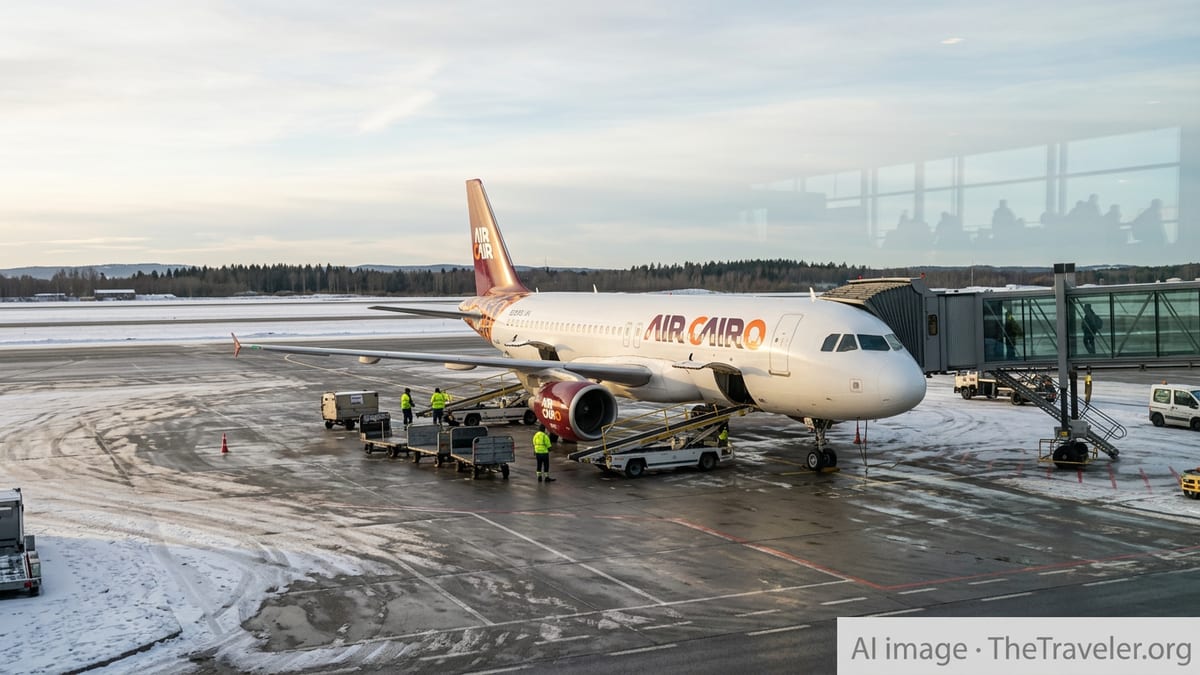
Heightened Regional Tension Behind New Cairo Alert
The August 1 alert from the U.S. Embassy in Cairo comes amid a broader warning to Americans across the Middle East, where diplomatic missions have highlighted the potential for sudden deterioration in the security environment. Publicly available information from regional coverage indicates that multiple U.S. embassies in neighboring states have circulated similar advisories in recent days, reflecting concern about the trajectory of the conflict involving Iran and its allies.
According to open reporting, U.S. missions in countries such as the United Arab Emirates, Qatar, Oman, Iraq, Jordan, Israel, Kuwait, Saudi Arabia and Bahrain have echoed language about the risk of “unforeseen escalation” and the possibility of rapid changes in airspace access and commercial flight schedules. The Cairo notice aligns with this regional pattern, signaling that American travelers in Egypt are now being urged to think in terms of contingency planning rather than routine tourism or business travel.
The latest advisory does not indicate that specific attacks in Egypt are imminent, but it underscores that instability elsewhere in the region can spill over into transit routes, commercial aviation and the wider security climate. For visitors and residents alike, the message represents a shift from earlier guidance that largely focused on localized threats from terrorism and unrest to a broader warning framed by interstate tensions.
Key Advice for American Travelers and Residents
The August 1 alert emphasizes preparation over panic, encouraging Americans in Egypt to ensure that they can leave quickly if necessary. Publicly available guidance from similar regional alerts points to several recurring themes: keeping travel documents current, monitoring airline communications closely and maintaining flexible itineraries that can be adjusted at short notice.
Americans in Cairo and other Egyptian cities are being urged to review their personal readiness. That typically includes confirming that passports have sufficient validity and blank pages, checking that residency or visa documentation is in order, and ensuring that funds and payment methods are available in case of unexpected expenses linked to rebooking flights or extending stays while awaiting safe departure options.
The alert also reinforces long-standing security recommendations for Egypt, such as maintaining a low profile, avoiding large gatherings and demonstrations, and staying alert in locations frequented by foreign travelers and Western businesses. Public travel information for Egypt has for years highlighted concerns about terrorist groups plotting attacks against government facilities, security forces and tourist sites, and the embassy’s latest message effectively layers regional war risk on top of those enduring vulnerabilities.
Potential Impact on Flights and Travel Plans
A prominent element of the August 1 communication is its focus on transportation disruption. Reports referencing the broader Middle East alerts note that American missions are warning of possible flight cancellations, airspace closures and sudden changes to airline schedules. For Egypt, a major aviation hub linking Africa, Europe and the Gulf, such disruptions can ripple quickly through tourist circuits and business travel.
Travel industry observers tracking the situation across the region indicate that some carriers have already adjusted their timetables or paused certain routes in response to perceived risks. Even for travelers whose flights remain on schedule, the embassy’s language suggests that they should be ready for last-minute changes, including rerouting through different hubs or facing extended layovers if neighboring countries tighten or suspend airspace access.
For tour operators and hotels in Egypt, the alert raises the prospect of new booking uncertainty just as peak-season travel from North America and Europe continues. While there is no blanket instruction that Americans must depart Egypt immediately, the call to “consider departing” or to be ready to leave on short notice may prompt some visitors to shorten trips or postpone nonessential travel, particularly to Cairo and other major urban centers.
Security Landscape in Egypt: Existing Risks and New Concerns
The August 1 alert builds on a security picture in Egypt that was already complex before the latest escalation. Previous public advisories have cited the enduring threat of terrorism, particularly in the Sinai Peninsula and remote border zones, as well as the Egyptian authorities’ extensive security presence in major cities and tourist areas. Travelers have long been urged to avoid certain regions entirely and to stay informed about developments affecting domestic transport and public gatherings.
The new regional context, defined by confrontation involving Iran and multiple state and non-state actors, introduces additional layers of uncertainty. Analysts following the crisis have pointed to the risk that critical infrastructure and maritime routes could be targeted, potentially affecting Red Sea and Suez transit, international shipping and aviation corridors over or near Egyptian territory. Although there is no indication in open reporting that Egypt itself is a primary target, the country’s geographic position makes it vulnerable to knock-on effects.
For American citizens, this means that even if daily life in Cairo appears calm, key variables such as air connectivity and regional diplomatic relations may be shifting quickly in the background. The embassy’s decision to join other missions in issuing a stronger alert reflects a view that U.S. nationals should not rely solely on the apparent normality of street life or tourist activity when assessing their own risk exposure.
What the Alert Means for Near-Term Travel Decisions
For travelers with imminent plans to visit Egypt, the August 1 advisory is likely to prompt careful reassessment. Travel risk specialists generally recommend that individuals weigh the purpose of their trip against the possibility of becoming stranded by transport disruptions or facing rapidly changing security conditions. For some, particularly those traveling for leisure, postponing or rerouting to another destination may appear the safer option under current circumstances.
Americans already in Egypt face a different set of calculations. Many may choose to remain while monitoring developments closely, particularly if they are based in relatively stable neighborhoods, have strong local support networks or are tied to long-term work, study or family commitments. Others may opt to depart while commercial flights remain readily available, reasoning that leaving early is preferable to navigating potential bottlenecks if demand for outbound seats surges later.
Publicly available information about U.S. guidance worldwide continues to stress that citizens overseas should regularly check official alert channels, register contact details when possible and keep their families informed of their whereabouts. The Cairo alert issued on August 1 fits squarely within that broader framework, signaling that while Egypt has not suddenly become a war zone, the wider Middle East environment is volatile enough that Americans there are now expected to think ahead and stay ready to move.