


More news on this day
A Scandinavian Airlines flight from New York’s John F. Kennedy International Airport to Copenhagen diverted to Newark Liberty International Airport after turning back over the Atlantic, leaving more than 100 passengers unexpectedly stranded overnight without clear guidance on accommodation, onward travel, or access to their checked luggage, according to multiple published accounts and flight tracking data.
Get the latest news straight to your inbox!
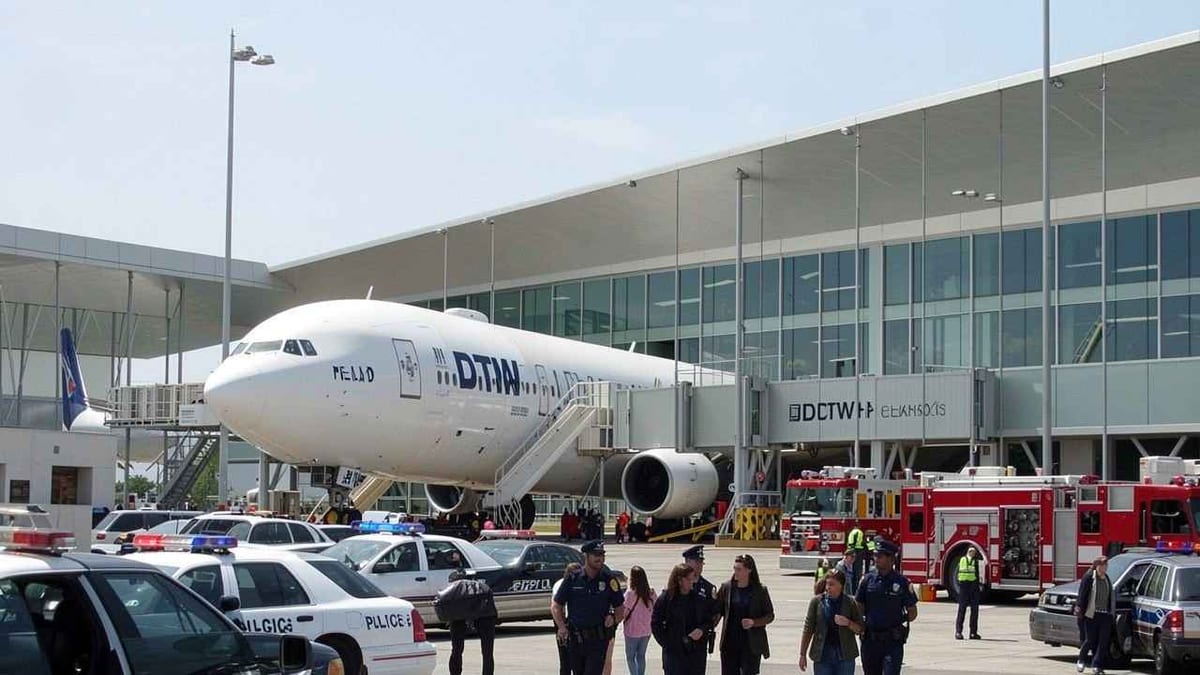
Transatlantic Flight Turns Back After Suspected Technical Issue
Publicly available flight records show that Scandinavian Airlines flight SK916 departed New York JFK on the evening of Friday, October 23, 2026, bound for Copenhagen Airport on an Airbus A330-300. The widebody aircraft, reported by several aviation outlets as operating under registration LN-RKR, left slightly behind its scheduled early evening departure slot for the overnight crossing to Denmark.
Tracking data and published coverage indicate that roughly two hours into the flight, while the aircraft was already over the North Atlantic, the crew initiated a turn that sent the jet back toward the United States rather than continuing on to Europe. The flight subsequently diverted to Newark Liberty International Airport in New Jersey instead of returning to JFK, landing safely after spending more than three and a half hours in the air.
Reports from aviation-focused sites note that SAS later attributed the diversion to a possible technical fault identified en route, without disclosing the exact nature of the issue. Available information does not indicate any injuries or emergency evacuation on landing, and the aircraft taxied to the gate under its own power.
The turnaround added several extra hours to what was planned as an approximately seven-hour overnight flight to Copenhagen and transformed what should have been a routine transatlantic crossing into an unplanned late-night arrival at a different airport for everyone on board.
Stranded Overnight in Newark With Limited Support
While the diversion itself concluded safely, the disruption for travelers began on the ground. Passenger accounts cited in travel and consumer coverage describe long waits in Newark after midnight as those on SK916 tried to understand how and when they would be rebooked to Copenhagen and beyond.
Several reports describe confusion around hotel accommodation and transport from the airport. Coverage on travel news sites indicates that many passengers initially received little concrete information on where they would sleep or whether the airline would arrange lodging, leaving some to search for hotel rooms on their own in the early hours.
Because SK916 arrived at Newark unexpectedly, passengers’ checked baggage was not immediately available in all cases, according to online accounts referenced in aviation reporting. This left some travelers facing the prospect of an overnight stay and potential onward delays without access to clothing, medication, or essentials packed in the hold.
Follow-up reporting notes that rebooking options varied depending on passengers’ final destinations and ticket types, with some travelers offered itineraries via other SAS hubs or partner airlines and others facing longer delays before they could secure new seats to Europe.
Flight Data Confirms Ongoing Disruption on SK916 Route
Flight status databases show that SK916 is a regular SAS service linking JFK and Copenhagen, operating as part of the carrier’s core transatlantic network. Records for the days following the October 23 diversion indicate additional schedule disruption on the route, including at least one subsequent cancellation listed for late October.
Despite the incident, other SAS long-haul services between Copenhagen and North America, including flights serving Newark and JFK, appeared to continue operating around the same weekend based on timetable snapshots. That pattern suggests the disruption was concentrated on SK916 and its immediate rotations rather than representing a broader shutdown of the airline’s US–Denmark corridor.
Industry commentary appearing in aviation publications places the diversion in the context of a challenging period for SAS, which has been balancing network adjustments and operational issues on several long-haul routes. However, the available data and reports specifically highlight SK916 on October 23 as a distinct event tied to a suspected technical problem on a single aircraft.
As of late October 2026, schedule listings show SK916 remaining on the timetable as an overnight transatlantic service, underscoring the route’s importance for SAS even as the carrier works through the operational and customer service repercussions of the diversion.
What EU261 and U.S. Rules Mean for Affected Passengers
The incident also raises questions about passenger rights for those stranded in Newark. Publicly available guidance on European air passenger protections notes that flights departing from the United States and operated by an airline based in the European Union or wider European air passenger rights area are covered by EU Regulation 261/2004, often referred to simply as EU261.
Under that framework, travelers on SK916 are generally entitled to care in the form of meals, refreshments, and, in the case of an overnight disruption, hotel accommodation and transport between the airport and the hotel when a flight is significantly delayed or disrupted. Published summaries of the rules indicate that for long-haul journeys over 3,500 kilometers, passengers may also be eligible for compensation of up to 600 euros per person, depending on the length of the delay and the cause of the disruption.
However, EU261 compensation is subject to important conditions. If an airline can demonstrate that a disruption resulted from extraordinary circumstances beyond its control, such as certain security events or severe weather, it may not owe compensation even though it must still provide assistance and care. Technical issues inside an airline’s control can, in many cases, trigger full compensation obligations, according to legal interpretations and consumer-rights summaries frequently referenced by European travelers.
In addition to EU protections, U.S. consumer information from the Department of Transportation explains that American rules focus more on requiring transparency around delays and cancellations and less on mandating per-passenger cash compensation. The combination of EU261 coverage and U.S. transparency requirements shapes the framework within which SAS is expected to handle claims from SK916 passengers.
Next Steps for Travelers Seeking Redress
For passengers affected by the SK916 diversion, available guidance from consumer advocates and travel-law resources outlines a common set of next steps. Travelers are typically advised to retain boarding passes, booking confirmations, and any written communication from the airline, along with receipts for out-of-pocket expenses such as meals, ground transportation, and independently booked hotel stays in Newark.
Published advice suggests that passengers should first submit claims directly to SAS through the carrier’s official customer-service channels, detailing the disruption, attaching documentation, and specifying whether they are seeking reimbursement for expenses, EU261 compensation, or both. Many consumer resources recommend keeping records of all correspondence and allowing a defined response period before escalating.
If travelers do not receive a satisfactory response, publicly available information points to national enforcement bodies in Europe and accredited alternative dispute resolution schemes as possible avenues for escalation. Some passengers may also choose to use specialized air passenger rights firms, though consumer advocates frequently note that such services typically keep a percentage of any compensation as a fee.
The SK916 diversion underscores the importance for long-haul travelers of understanding both airline responsibilities and applicable passenger protections before departure. As SAS continues to operate a key transatlantic bridge between New York and Copenhagen, the handling of this incident and any resulting compensation cases is likely to be closely watched by frequent flyers on the route.