


More news on this day
Passengers at Washington Dulles International Airport are facing hours of disruption as more than 70 flights are delayed and at least two dozen are canceled, impacting major U.S. cities and German connections operated by United Airlines, Delta Air Lines, Lufthansa, PSA Airlines, Ethiopian Airlines, EgyptAir and other carriers.
Get the latest news straight to your inbox!
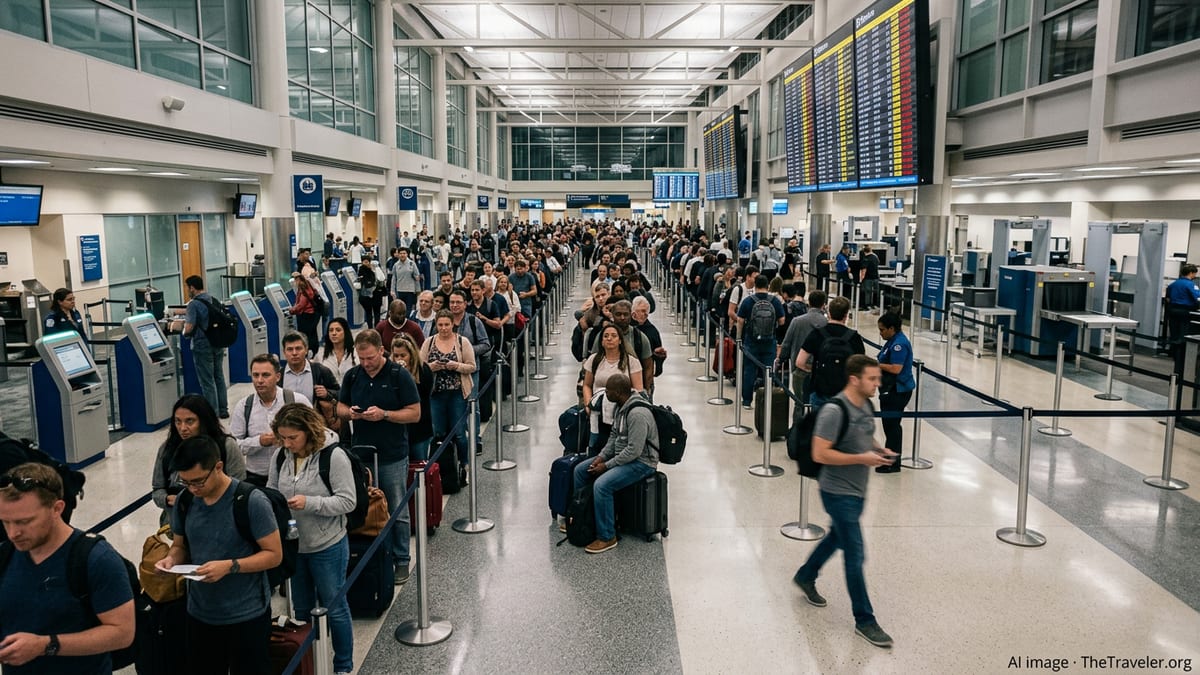
Delays and Cancellations Mount at Washington Dulles
Publicly available flight-tracking data for Friday, June 12, indicates that operations at Washington Dulles International Airport have been significantly strained, with roughly 77 flights delayed and about 25 canceled. The disruptions are spread across domestic and international services, affecting both departures from and arrivals into the key Washington-area hub.
United Airlines, which maintains a large presence at Dulles, shows multiple services operating behind schedule, particularly on longer-haul routes where delay minutes can accumulate rapidly. Tracking platforms highlight some departures operating more than an hour late, underscoring the pressure on aircraft and crew rotations throughout the day.
Delta Air Lines services at Dulles are also affected, with schedule changes and rolling delays appearing on real-time status pages. Regional partner PSA Airlines, which operates flights on behalf of larger U.S. carriers, adds further complexity to the disruption picture as delays to feeder services can cascade into missed connections at other hubs.
Alongside U.S. airlines, international operators such as Lufthansa, Ethiopian Airlines and EgyptAir are contending with the same congested airfield and airspace, leading to revised departure and arrival times and contributing to longer-than-expected waits in the terminal.
Ripple Effects Across Major U.S. Cities
The disruption at Dulles is not confined to the Washington region. Flight status boards and tracking tools show knock-on impacts for services linking Dulles with New York, Philadelphia, Columbus and Dallas, as delayed departures from Virginia push connecting banks of flights out of alignment.
Routes between Dulles and major East Coast cities are particularly exposed because they form part of dense shuttle-style schedules used by both business and leisure travelers. Even comparatively short delays can lead to missed onward flights, crowding customer service desks and increasing demand for rebooking across multiple airlines.
Services to and from Dallas and other large domestic hubs are seeing similar effects. When an aircraft departs late from Dulles, it often returns to the schedule hours behind its planned rotation, leaving passengers at the next station facing unexpected waits, gate changes or last-minute cancellations.
Regional jets operated by partners such as PSA Airlines are a key link in these networks, and delays on smaller feeder routes can be especially disruptive. When those flights arrive late at Dulles, travelers may find already-tight connections to cross-country and transatlantic departures reduced to minutes or missed entirely.
Transatlantic and German Connections Under Strain
Transatlantic operations from Washington Dulles are also feeling the impact. Flights serving German destinations, including those operated by Lufthansa and joint-venture partners, are navigating a compressed operating window as delayed inbound aircraft try to make tightly timed evening departures toward Europe.
Schedule data for June highlights how a single late-arriving widebody can affect several onward connections in European hubs. When a Dulles-originating flight reaches Germany behind schedule, passengers bound for other European cities or onward long-haul routes can miss carefully coordinated connection times, prompting additional rebookings and overnight stays.
Star Alliance and SkyTeam carriers share many code-share and interline arrangements on Dulles-to-Europe sectors. When those services fall behind schedule, partner airlines across the Atlantic must adjust their own customer handling and rebooking processes, compounding the sense of disruption for travelers trying to reach destinations beyond the first point of entry.
Despite the pressure, most long-haul transatlantic flights from Dulles appear to be operating, albeit with varying levels of delay. For many passengers, this translates into extended boarding times, long queues at departure gates and uncertainty around arrival times in Europe.
Weather and Operational Challenges Converge
Advisories issued by airlines in recent days point to challenging weather conditions across parts of the northeastern United States, a factor that frequently triggers ground delay programs and air traffic flow restrictions. Such measures reduce the rate at which aircraft can land and take off, pushing some flights into holding patterns or forcing schedule adjustments hours before departure.
Delta Air Lines has published an exception policy for inclement weather in the Northeast during this period, explicitly including Washington Dulles in its list of covered airports. The policy allows greater flexibility for customers to change affected itineraries, illustrating the scale of anticipated disruption around key East Coast hubs.
Operational complexities at a multi-airline hub like Dulles can amplify the effects of these constraints. When weather or air traffic control measures slow arrivals, gates can remain occupied longer than expected, crews may reach duty time limits and aircraft scheduled for later flights may be out of position, each factor driving further delays or cancellations.
International services face additional hurdles because they must align with curfews, slot restrictions and connecting banks at overseas airports. This can force airlines to choose between operating significantly delayed flights or canceling services that no longer fit within regulated time windows at their destinations.
What the Disruptions Mean for Travelers
For passengers caught in the middle of the disruption at Dulles, the impact is immediate and often stressful. Long queues at check-in counters and service desks, crowded gate areas and uncertainty about connection options are common when delays and cancellations reach current levels.
Publicly available information from the U.S. Department of Transportation shows that compensation policies for lengthy delays and cancellations vary by airline. Some U.S. carriers, including several affected today, do not commit to cash compensation when cancellations result in substantial waiting times, although they may offer rebooking and limited amenities in certain circumstances.
Travel advocates regularly encourage passengers to monitor their flight status closely through airline apps and tracking services, especially when widespread disruption is reported. Same-day rebooking, standby options and alternative routings via other hubs can sometimes reduce total travel time, particularly for those connecting to international flights.
As airlines at Washington Dulles work to restore their schedules, passengers whose plans involve New York, Philadelphia, Columbus, Dallas or German destinations are being advised by published guidance and advisories to build in extra time, stay informed about changing departure times and be prepared for further adjustments as the day progresses.