


More news on this day
San Francisco International Airport is entering the busy summer season with a tighter arrival pipeline, as a Federal Aviation Administration safety measure ending side-by-side visual approaches combines with runway construction to increase the risk of delays for Bay Area travelers.
Get the latest news straight to your inbox!
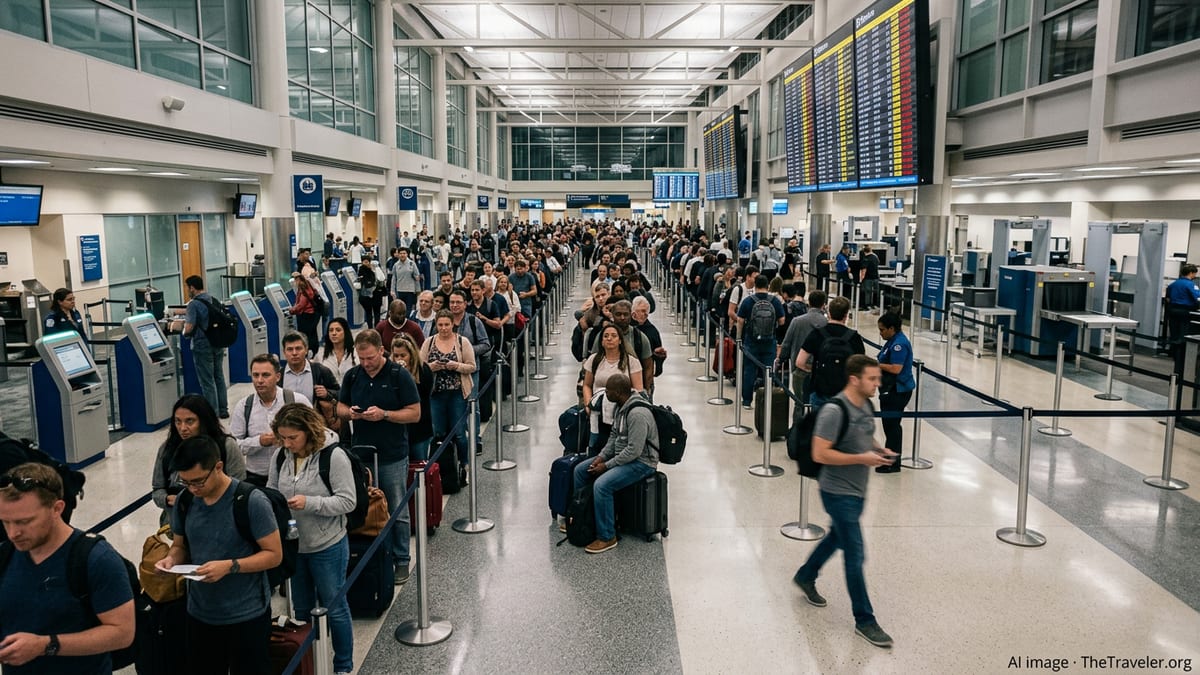
What the New FAA Rules Change on Approach to SFO
According to publicly available FAA statements, the agency has stopped allowing pilots to conduct side-by-side visual approaches to San Francisco International Airport’s closely spaced east-west parallel runways when weather is clear and crews can see the other aircraft. Instead, arrivals must now follow staggered procedures that keep one aircraft offset from the other, removing the synchronized visual landings that had become a familiar sight on final approach to runways 28 Left and 28 Right.
The FAA had already barred these simultaneous visuals in poor weather, when low cloud ceilings and coastal fog routinely force instrument procedures into use. The March 2026 change effectively extends that conservative standard into clear conditions, closing the long-standing exception that let SFO squeeze more arrivals into each hour when skies were blue and visibility was good.
Industry coverage indicates that side-by-side visuals had helped SFO operate near larger hubs’ capacity despite having runways just 750 feet apart, a configuration that leaves less margin for error if something unexpected occurs on final. By eliminating that tool, the new rules shift the balance further toward separation and predictability, at the cost of raw throughput.
Runway Works and a Tight Summer Arrival Rate
The timing of the FAA measure is compounding the impact on passengers. A major repaving project has put SFO’s two north-south runways out of service for several months, concentrating traffic on the remaining parallel pair. Airport commission documents note that the loss of those runways alone was expected to create some delays while work proceeds.
Before the air traffic rule change, SFO planning material suggested that roughly 10 to 15 percent of flights might encounter delays of at least half an hour during the construction period. With side-by-side visuals now off the table, more recent airport disclosures point to a significantly higher exposure, warning that about one quarter of arriving flights could face meaningful delays when demand is high.
Real-time FAA status pages and the airport’s own flight information show that not every day brings disruption; on some days, delays remain limited. But aviation analysts following SFO’s performance report that peak periods are becoming more congested, with holding patterns and metering programs appearing more frequently as controllers work within a lower arrival rate.
Why the FAA Is Tightening Visual Approach Rules
The FAA has not linked the San Francisco decision to a single incident, but the move fits a broader trend toward tighter oversight of visual approaches and close parallel operations across the national airspace system. Recent years have brought several high-profile near-collisions at major U.S. airports, prompting calls for additional safety buffers in crowded terminal areas.
At SFO, side-by-side visuals depended on pilots maintaining both runway alignment and visual separation from adjacent traffic to a higher degree than at airports with widely spaced runways. Aviation-focused analyses note that any misjudgment on final approach in such an environment leaves less room to resolve conflicts, especially when one aircraft needs to go around unexpectedly.
Publicly available technical primers on SFO’s operations also highlight how frequently the airport toggles between clear-weather and fog-driven procedures. With marine layers drifting in and out, air traffic control has long had to manage rapid shifts between high and low capacity modes. The new restrictions reduce that variability, but also mean that even on clear days the airport may operate closer to its lower, bad-weather arrival rates.
What Travelers Can Expect Through the Summer
For passengers, the most visible effect is likely to be extra time built into itineraries touching SFO, particularly on arrivals. Recent coverage of Bay Area aviation trends indicates that average delay times at the airport have risen sharply this year as the construction and air traffic changes take hold, with some travelers reporting missed connections or tighter margins on downline flights.
Industry observers expect the pattern to be most pronounced during morning and evening peaks, when transcontinental arrivals, short-haul West Coast flights, and international services converge. If scheduled demand does not adjust significantly, airlines may have to rely more heavily on ground delay programs and en route metering, spreading congestion back through the national network whenever SFO’s constrained arrival rate is exceeded.
Travel planners in the region are already advising clients to consider alternate Bay Area airports, such as Oakland or San Jose, for itineraries where schedule reliability is critical. While SFO remains the region’s primary international gateway, the current combination of runway closures and conservative approach rules means that the margin for on-time arrivals is thinner than in recent years.
How Long the Restrictions Might Last
Airport bond and commission documents released this spring describe the change to side-by-side visuals as an FAA safety measure that took effect at the end of March 2026. Those same materials indicate that federal air traffic officials have discussed the possibility of further procedural refinements that could, in theory, restore some version of the previous visual operations if they can be demonstrated to meet safety objectives.
Outside reporting, however, notes that regulators appear inclined to view the end of side-by-side visuals as part of a longer-term recalibration rather than a short-lived response. Some aviation analysts suggest that any return to the old approach pattern would likely require substantial additional technology, revised procedures, or both, all of which would take years to design, test, and roll out.
For now, SFO is planning its finances and operations around a more constrained arrival profile, even after the runway project concludes. As the summer travel season ramps up, the airport will test how well airlines, passengers, and the broader Bay Area travel economy adapt to a new normal in which the iconic sight of two jets descending wingtip to wingtip over the bay has been replaced by a more measured, single-file stream of arrivals.