


More news on this day
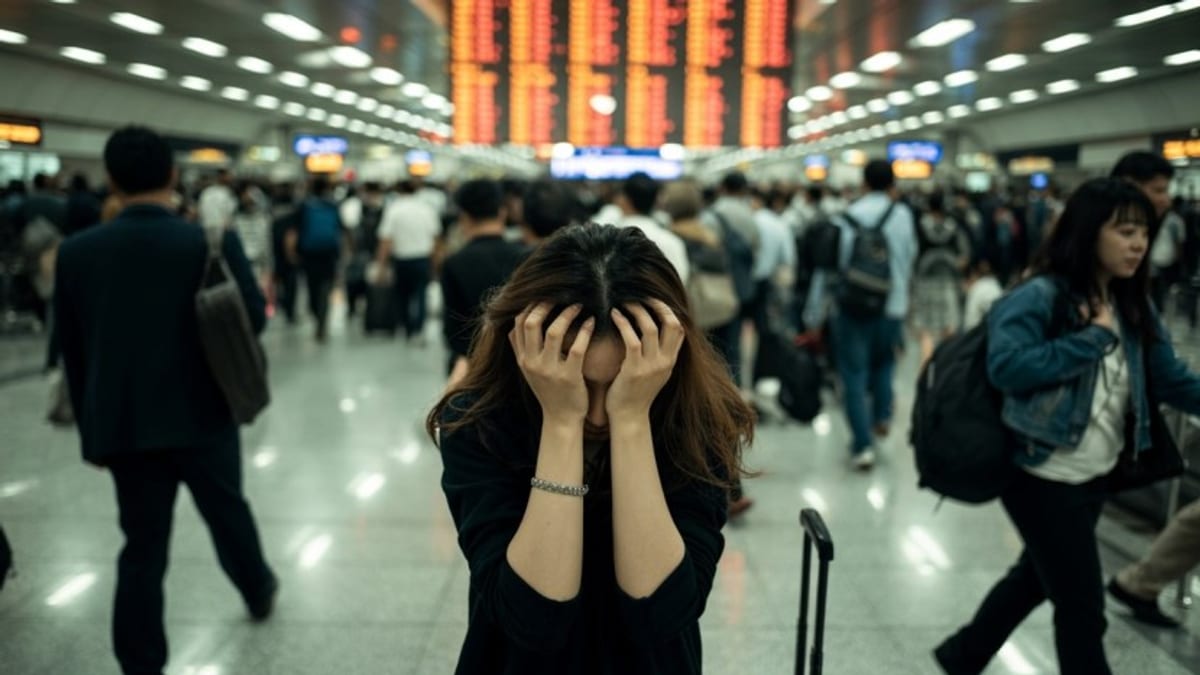
Dozens of cancellations and lengthy delays at Shanghai’s airports over the weekend are disrupting travel across Asia, with routes linking China to Japan, Indonesia, Singapore, Malaysia and other markets hit as regional carriers trim schedules and consolidate lightly booked services.
Get the latest news straight to your inbox!
Regional Carriers Scramble as Operations Tighten
Publicly available flight boards and tracking platforms indicate that at least 65 flights touching Shanghai were cancelled and 117 delayed within a 24-hour window, affecting services operated or marketed by Chengdu Airlines, Juneyao Airlines, Japan Air Commuter partner networks, Batik Air and Garuda Indonesia. The disruptions are concentrated at Shanghai Pudong and Hongqiao, two hubs that anchor China’s domestic and international connectivity.
Across the network, many of the affected flights connect Shanghai with major Southeast Asian gateways, including Singapore, Kuala Lumpur and Indonesian hubs, as well as regional Japanese cities served through codeshare and commuter arrangements. Aggregated aviation data for May shows that delays and cancellations have been climbing across Asia, with recent tallies running into several thousand affected flights in a single day in markets such as China, Japan, Malaysia and Thailand.
The latest disruption follows weeks of schedule tightening by Asian carriers seeking to balance softening demand on certain international routes with high fuel costs and aircraft availability constraints. Industry monitoring has highlighted Shanghai, Guangzhou and Shenzhen as particular pressure points, as airlines rework timetables on routes to Japan and Southeast Asia while also managing busy domestic travel corridors.
Operational patterns suggest that the current wave of cancellations forms part of a broader recalibration of capacity rather than a single weather or technical incident. Airlines across the region have been trimming off-peak frequencies, consolidating lightly loaded services and, in some cases, withdrawing entire routes where demand has slumped or political tensions have weighed on bookings.
Links to Japan, Indonesia, Singapore and Malaysia Affected
The knock-on effect of the Shanghai disruptions is being felt most sharply on corridors tying China to neighboring Asian markets. Flights between Shanghai and Japanese destinations have already been under pressure this year amid a sharp decline in outbound Chinese tourism to Japan and a series of earlier mass cancellations on China Japan routes. The latest adjustments add further uncertainty for travelers relying on Shanghai as a primary gateway.
Indonesia facing reduced connectivity through Batik Air and Garuda Indonesia is also experiencing ripple effects, particularly for itineraries threading through Shanghai and other Chinese hubs to reach secondary Indonesian cities. Published airport data for key Indonesian gateways shows that both carriers have been cautious about restoring pre-pandemic international capacity, and the cancellations out of Shanghai highlight the fragility of those links.
Travelers between China and Singapore or Malaysia are seeing similar volatility. Singapore’s Changi and Kuala Lumpur International are among the busiest Southeast Asian hubs for Chinese traffic, but recent traffic data and trade coverage point to a period of readjustment, with Chinese and regional carriers selectively cutting or consolidating services. Shanghai based flights that are cancelled or heavily delayed can unravel carefully planned connections, forcing passengers to rebook via alternate cities such as Bangkok, Seoul or Dubai.
For tourism businesses and corporate travelers in Singapore and Malaysia that depend on reliable access to Chinese commercial centers, sporadic cancellations and delays complicate forward planning. Tour operators and travel managers are increasingly advising clients to allow wider buffers for connections through Shanghai and to prepare for potential same day rebookings when schedules change at short notice.
Shanghai’s Dual Hubs Under Sustained Pressure
Shanghai Pudong and Hongqiao are central to the Chinese aviation system, handling a dense mix of domestic, regional and long haul traffic. Tracking services show that rising congestion and irregular operations at these airports can quickly ripple across the wider network, particularly on routes that rely on tight turnarounds and aircraft rotations between short and medium haul sectors.
When an early morning departure is cancelled or delayed out of Shanghai, airlines often face a domino effect as aircraft and crews miss subsequent slots. Industry analysis of recent disruption episodes in China shows that a single missed rotation can cascade into multiple later sector cancellations or significant schedule changes, especially where carriers operate limited daily frequencies on a route.
Shanghai is also contending with evolving demand patterns. Reports from aviation analysts describe relatively subdued international passenger flows through the city compared with pre pandemic levels, even as domestic travel has rebounded more robustly. That imbalance encourages carriers to prioritize aircraft time on high yielding core domestic routes, sometimes at the expense of thinner international services to nearby countries.
At the same time, operational complexity has grown as airlines coordinate code shares and joint services across multiple partners. A delay or cancellation affecting a flight marketed by one carrier but operated by another can generate confusion for passengers unsure which airline is responsible for rebooking and support at the airport.
Political and Economic Undercurrents Shape Capacity
The flight disruptions around Shanghai are unfolding against a backdrop of political and economic headwinds that have already prompted large scale schedule revisions. Tensions between China and Japan have contributed to a steep fall in Chinese visitors to Japanese destinations this year, with data from civil aviation trackers showing whole sets of routes between the two countries temporarily wiped from schedules in recent months.
Economic considerations are equally significant. Aviation industry reports emphasize that many Asia Pacific airlines continue to face high fuel prices, aircraft delivery delays and currency pressures. These factors encourage carriers to trim underperforming services, particularly leisure oriented routes where travelers are sensitive to fare increases and where alternative routings are readily available.
For Indonesian and Malaysian carriers, a careful balancing act is under way as they rebuild international networks while protecting domestic profitability. Airlines have been cautious about committing capacity to routes that depend heavily on connecting traffic through Chinese hubs, preferring to see sustained demand and stable conditions before adding flights back into the timetable.
Observers note that while the latest cancellations and delays may appear sudden to travelers, they often reflect decisions modeled weeks in advance as airlines respond to booking trends, fuel markets and bilateral aviation developments. Shanghai’s central role in regional air travel means that even incremental capacity shifts can have an outsized impact on itineraries spanning multiple countries.
What Travelers Can Expect in the Weeks Ahead
With Asia’s aviation network still settling into a post pandemic equilibrium, travelers planning trips through Shanghai in the coming weeks are likely to face a more unpredictable operating environment than in earlier years. Data from regional monitoring platforms indicates that day to day performance can swing significantly, with relatively smooth operations one day followed by spikes in cancellations and delays the next.
Industry guidance encourages passengers connecting between China and destinations such as Japan, Indonesia, Singapore and Malaysia to monitor their bookings closely, use airline apps to track potential schedule changes and consider building longer minimum connection times into multi segment itineraries. Travelers holding separate tickets on different airlines are seen as particularly vulnerable when irregular operations cascade across hubs.
Consumer information resources stress that passengers affected by cancellations are generally entitled to rebooking or refunds according to the conditions of carriage for the airline that issued the ticket. However, processing times for changes and refunds can vary, especially during periods when carriers are handling a high volume of disrupted journeys.
While the current wave of cancellations and delays involving Chengdu Airlines, Juneyao Airlines, Japan focused commuter links, Batik Air and Garuda Indonesia may ease as schedules reset, analysts expect Shanghai to remain a focal point of operational risk for cross border travel in Asia. Travelers and industry stakeholders alike are watching how airlines adjust capacity and whether demand on key China linked routes stabilizes as the year progresses.