


More news on this day
Shelter-in-place and evacuation orders have been lifted in Bensalem, Pennsylvania, after a freight train derailment prompted several hours of uncertainty for nearby neighborhoods while hazardous materials teams assessed potential risks.
Get the latest news straight to your inbox!
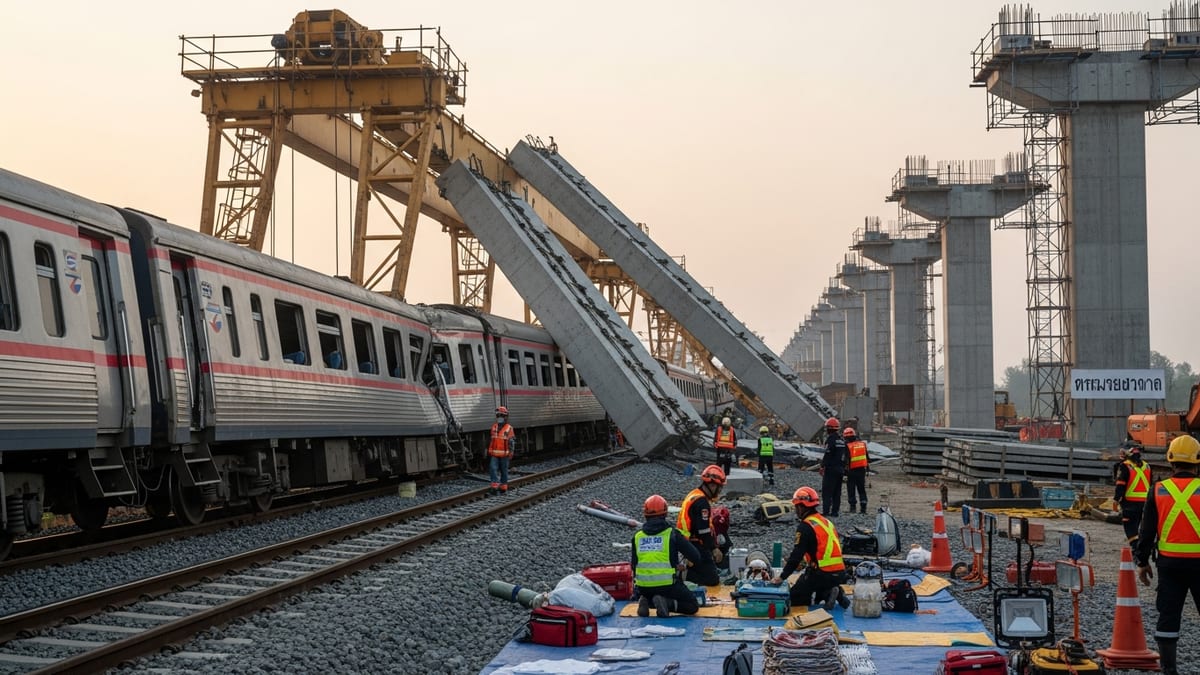
Derailment Near Neshaminy Falls Triggers Emergency Response
The freight train derailed on the afternoon of June 30, 2026, between Street Road and the Neshaminy Falls station in Bensalem Township, a densely developed corridor in Bucks County just north of Philadelphia. Publicly available reports describe multiple cars leaving the tracks, with some lying at angles across adjacent rail lines.
Initial estimates from published coverage indicated that between five and ten cars derailed, though later tallies referenced roughly sixteen affected cars from a train of more than seventy. The incident involved a freight consist operating along a busy rail artery that shares a corridor with commuter routes serving the wider Philadelphia region.
Images and video circulated by local media and residents show freight cars jackknifed and strewn across the rail bed, but no widespread fire or towering smoke plume. Early information suggested that several of the derailed cars were believed to be carrying hazardous materials, prompting a swift and precautionary safety posture from local agencies.
Rail operations through the area were halted as crews worked to secure the site. Passenger services using nearby tracks experienced delays and diversions, though available information indicates no passenger trains were directly involved in the derailment itself.
Shelter-In-Place Lifted After Hazmat Assessment
Shortly after the derailment, Bensalem residents within a defined radius received alerts instructing them to shelter indoors while emergency responders evaluated the situation. A one mile shelter-in-place zone and targeted evacuations near the tracks were widely reported by local outlets as hazmat teams began air monitoring and visual inspections of the damaged cars.
By late afternoon and early evening, publicly available statements from local agencies and newsrooms indicated that hazardous materials personnel had completed an initial assessment and found no active leaks posing a threat to surrounding communities. Air monitoring did not detect dangerous levels of airborne chemicals, and no significant vapor clouds or fires were reported.
With those findings, the shelter-in-place directive and evacuation advisories were rescinded, and residents were informed that it was safe to return to normal activities. Coverage from regional television and digital outlets emphasized that there was no ongoing threat to the public once the all clear was issued.
While the emergency phase has ended, crews are expected to remain on scene for some time to continue monitoring and to support cleanup and rerailing operations. Rail regulators and company investigators are also anticipated to conduct on site inspections as part of a broader review of what led to the derailment.
Impact on Local Community and Travel
Bensalem sits in the heart of the Northeast corridor, and the derailment unfolded in an area bordered by residential neighborhoods, commercial strips and regional roadways. For several hours on June 30, residents reported road closures, heavy emergency vehicle traffic and disruptions to routine afternoon travel.
Travelers using nearby rail services encountered delays as dispatcher controls held passenger trains away from the site and coordinated alternative routings. Some services were temporarily suspended while responders confirmed that adjacent tracks and overhead infrastructure remained structurally sound.
On local roads, closures near Street Road and access routes to Neshaminy Falls station complicated the evening commute. Motorists reported detours onto parallel arterials and side streets, adding congestion to an already busy travel window at the start of the workweek.
Even after the shelter-in-place order was lifted, published accounts suggest that residents remained attentive to official updates about air quality and cleanup progress. For some, the episode echoed other recent rail incidents across the United States that have heightened public awareness of freight movements through suburban and urban corridors.
Ongoing Cleanup and Rail Service Restoration
Once the immediate safety checks were completed, attention shifted to the complex task of removing damaged cars, repairing track and restoring normal rail operations. Heavy equipment, including cranes and specialized rerailing machinery, has been deployed to the site, according to regional coverage.
Cleanup crews are working to separate derailed cars, assess any damage to their contents and clear debris from the ballast and surrounding areas. Even in the absence of confirmed hazardous leaks, standard procedures typically require careful handling of any car that might have sustained structural damage in a derailment.
Track repair teams are expected to replace compromised rail sections, ties and signaling components before regular traffic can resume at full capacity. During this period, freight and commuter services using the corridor may operate on modified schedules or via alternate tracks where available.
Investigations into the cause of the derailment are likely to consider factors such as track condition, train speed, equipment integrity and recent maintenance history. Findings from that process may take weeks or months to emerge, but they will be closely watched by communities along the route as well as by travelers who rely on the corridor for daily commutes.
Safety Concerns Renew Focus on Rail Corridors
The Bensalem derailment arrives at a time of heightened scrutiny of freight rail safety, particularly in communities where tracks run close to homes, schools and commercial centers. Travel oriented readers may recognize similar scenes from earlier incidents in other states in which precautionary shelter-in-place orders temporarily transformed routine afternoons into emergency events.
While the rapid lifting of the shelter order in Bensalem suggests a limited environmental impact in this case, the episode underscores the balancing act between the economic role of freight rail and the safety expectations of residents along busy corridors. Publicly available commentary has highlighted the density of the region and the proximity of rail lines to major highways and population centers.
For travelers planning routes through suburban Philadelphia by car or rail, the incident is a reminder that infrastructure disruptions can occur with little warning. Monitoring traffic advisories, transit alerts and local news updates can be essential when navigating heavily used transport hubs.
As cleanup and investigations continue in Bensalem, communities across the United States are likely to follow developments closely, viewing the response and recovery as another reference point in the ongoing discussion about how rail networks coexist with growing suburban landscapes.