


More news on this day
American Airlines is moving to overhaul the onboard experience across much of its fleet, outlining a series of upgrades that bring back seatback entertainment screens and significantly expand premium seating as part of a broader push to reposition itself in the competitive U.S. market.
Get the latest news straight to your inbox!
Reversing Course on Inflight Entertainment
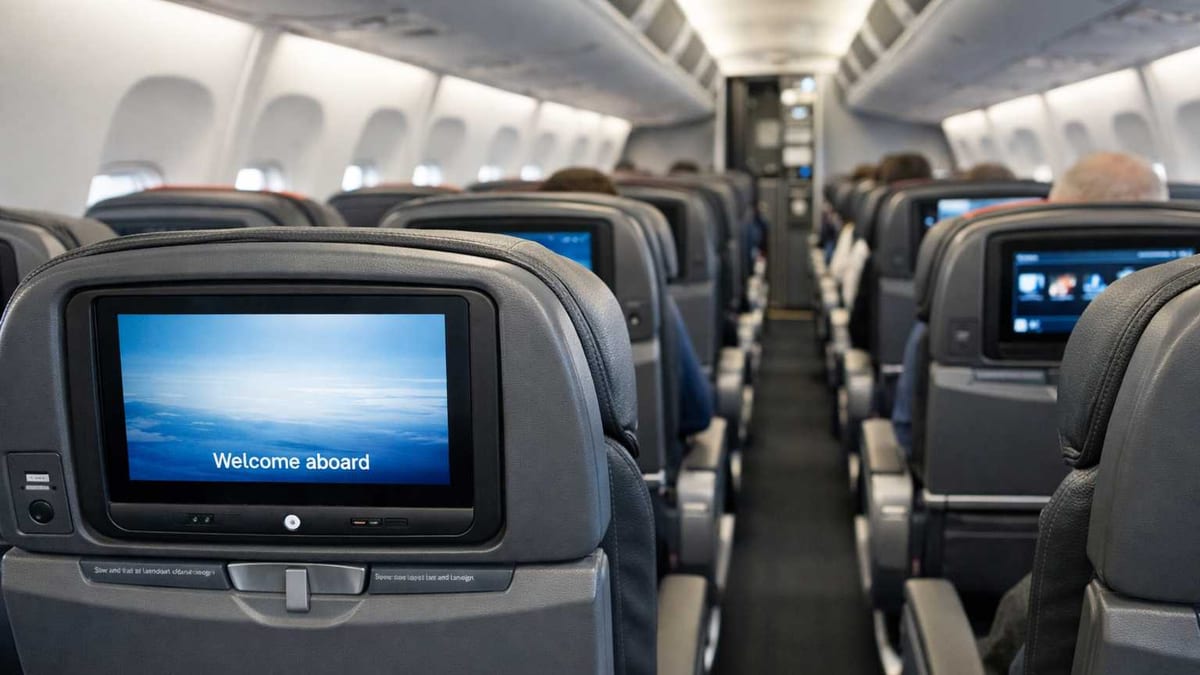
After years of steering passengers toward streaming content on personal devices, American Airlines is preparing to reinstall seatback entertainment screens across its future narrowbody fleet. According to publicly available planning information and industry coverage, the airline intends to introduce new 4K-capable displays at every seat on upcoming Airbus and Boeing single-aisle aircraft and as part of selected retrofit programs.
The move represents a notable shift from American’s prior strategy, which focused on removing embedded screens to save weight and costs while relying on onboard Wi-Fi for entertainment. Customer feedback and competitive pressure from rivals that continued to invest heavily in seatback systems appear to have influenced the updated approach.
New screens are expected to be paired with Bluetooth audio connectivity, allowing passengers to use their own wireless headphones, and with both AC and USB-C power at every seat. Combined with upgraded satellite Wi-Fi, the changes are designed to deliver a more consistent, device-friendly experience, regardless of whether travelers prefer personal gadgets or built-in displays.
American has already showcased similar technology on its latest long-haul aircraft, where 4K seatback screens and expanded content libraries are now standard in all cabins. The narrowbody initiative brings that strategy to domestic and shorter international routes, where many customers previously faced flights without individual screens.
Flagship Suite and the Premium Cabin Push
The reintroduction of inflight entertainment on narrowbodies arrives alongside an aggressive expansion of premium seating across American’s fleet. The airline has been rolling out its Flagship Suite business-class product on new Boeing 787-9 aircraft and preparing the same configuration for refurbished Boeing 777-300ER jets and incoming Airbus A321XLRs.
Flagship Suite features lie-flat seats with direct aisle access, full-height privacy doors and a chaise lounge position designed to give passengers a more residential feel in flight. Public information highlights integrated wireless charging, multiple storage areas, and updated textiles and finishes that distinguish the new cabins from older generation business-class layouts.
As larger suites take over on widebody aircraft, American is also shifting its overall premium mix. The airline has signaled that the proportion of premium seats, including business, premium economy and extra-legroom options, will grow substantially over the next several years as cabin layouts are updated. That strategy aligns with a broader trend among major carriers to target higher-yield travelers, particularly on long-haul and transcontinental markets.
On aircraft already flying with the new interior, reports indicate that customers in the Flagship Suite cabin receive upgraded bedding, amenity kits and expanded dining options designed to match the more private seating environment. These service elements are expected to carry over as additional aircraft are delivered or refurbished.
Upgraded Premium Economy and Main Cabin Comforts
Beyond business class, American is reshaping its premium economy and standard economy cabins to support the same premium-leaning strategy. Recent fleet additions and refurbishments showcase redesigned premium economy seats with enhanced headrest wings for privacy, improved calf and footrests, and integrated wireless charging at the seat.
In main cabin, the airline is pairing its new seatback screens with features such as USB-C and AC power, updated seat materials, and revised storage solutions, including redesigned seatback pockets. While the overall seating density remains high, American is working to differentiate the experience with more Main Cabin Extra rows and clearer distinctions between standard and extra-legroom seating.
The airline’s new 4K QLED screens, first deployed on select long-haul aircraft, are now a template for what will appear on future deliveries and retrofits. Publicly available configuration details indicate that every main-cabin seat on these aircraft receives an individual display with access to a large catalog of films, television and music, bringing American closer to the inflight entertainment offerings of its largest U.S. competitors.
These upgrades build on earlier commitments to provide power at every seat and faster satellite-based connectivity. When combined, the enhancements are intended to reduce the gap between American’s newer and older interiors, an inconsistency that has been a common point of criticism from frequent flyers.
Regional Fleet Brought Closer to Mainline Standard
American’s overhaul is not limited to its largest aircraft. The airline has also detailed a multi-year plan to elevate the cabins of its dual-class regional jets, a crucial component of its domestic network. Announcements in the past year outline refreshed interiors for Embraer 175 and Bombardier CRJ900 aircraft that align more closely with the look and feel of mainline cabins.
New seat coverings, modern color palettes and redesigned cabin lighting are being paired with in-seat power and expanded high-speed Wi-Fi coverage on regional jets. The goal is to present a more seamless experience for passengers connecting between smaller markets and major hubs, reducing the perception that regional segments are a step down in comfort.
American has indicated that satellite Wi-Fi will be available across its entire dual-class regional fleet by the middle of the decade, with AAdvantage members gaining access to complimentary connectivity. While regional aircraft are not expected to match the large 4K seatback screens of mainline jets, the addition of power and robust connectivity addresses two of the most common complaints on shorter-haul flights.
Industry observers note that this regional upgrade program coincides with sizable orders for new Embraer 175 aircraft, signaling that American intends to keep a large regional operation at the center of its domestic network while gradually modernizing the onboard experience.
Competitive Landscape and Passenger Expectations
American’s suite of cabin improvements comes as U.S. airlines are engaged in a renewed competition over in-cabin technology and premium seating. Delta Air Lines and United Airlines have both invested heavily in seatback entertainment and upgraded premium cabins, raising expectations among frequent travelers, particularly on business routes.
By committing to bring back seatback screens and expand premium seating, American is attempting to narrow a perceived gap in customer experience while still managing unit costs and aircraft utilization. Analysts suggest that higher proportions of premium seats can help offset the expense of installing new technology and reconfiguring cabins if demand from corporate and high-spend leisure travelers remains strong.
Passenger reaction to American’s newest interiors, particularly on long-haul flights equipped with Flagship Suite and 4K seatback screens, has been broadly positive in early reports. However, the airline still faces the operational challenge of rolling these features out across a large and varied fleet, a process that will take several years.
For travelers, the most visible changes will come as newly delivered narrowbody aircraft enter service and older jets emerge from refurbishment with screens, power and refreshed seats. As more of those aircraft appear on domestic routes, the experience of flying American is expected to shift from a largely bring-your-own-device model toward a more fully equipped cabin that blends embedded technology with personal connectivity.