


More news on this day
American Airlines is preparing a major overhaul of its fleet, outlining plans to add significantly more premium seating and reintroduce seatback entertainment screens across its future narrowbody aircraft as competition intensifies on routes in the United States and beyond.
Get the latest news straight to your inbox!
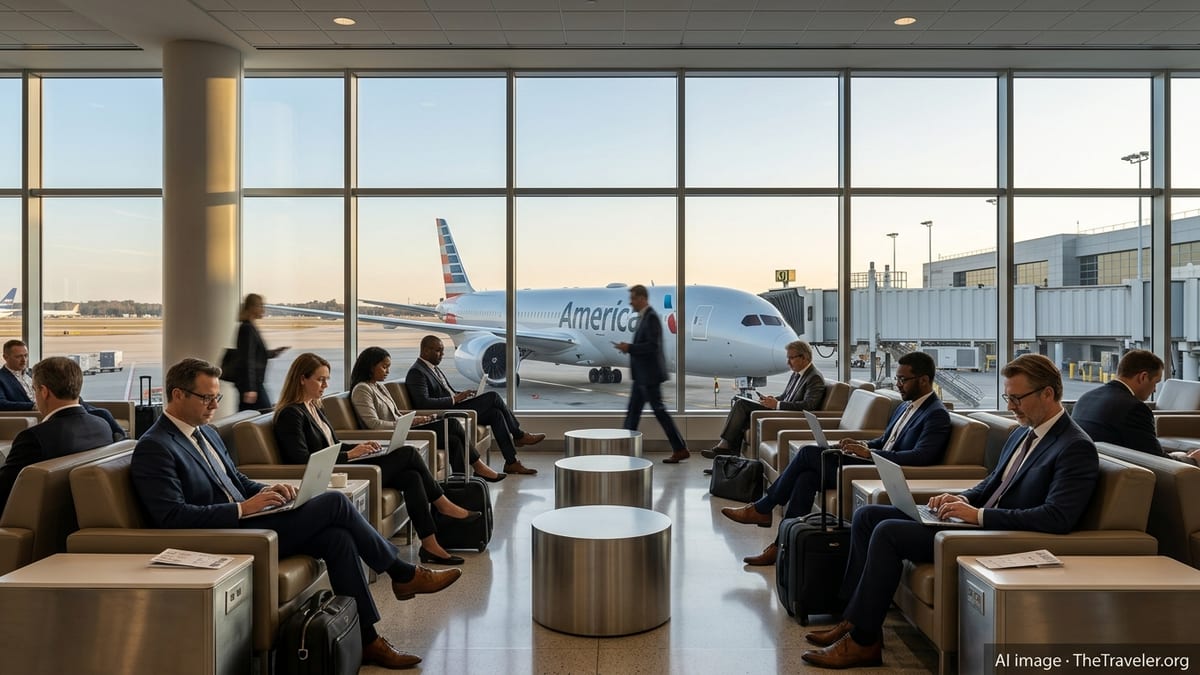
Seatback Screens Return to the Center of the Cabin
According to recent company communications and industry coverage, American Airlines intends to place new seatback entertainment systems on upcoming Airbus and Boeing narrowbody deliveries, as well as on a substantial portion of its retrofitted single-aisle fleet from 2028 onward. The move represents a clear pivot from the carrier’s previous strategy, which emphasized streaming to passengers’ personal devices instead of built-in displays.
The new installations are expected to feature 4K resolution, Bluetooth connectivity for personal headphones and integrated power at each seat, including USB-C ports. These upgrades aim to align the onboard experience more closely with that of key rivals that already offer extensive seatback entertainment across domestic and transcontinental networks.
Industry reporting indicates that American views refreshed in-flight entertainment as a way to differentiate its product in crowded hub markets, especially on longer flights where travelers have come to expect a high level of digital content and device charging options as standard.
The shift also addresses years of customer feedback about the removal of seatback screens from many domestic aircraft, positioning the airline to meet rising expectations for technology and comfort while maintaining its emphasis on high-speed Wi-Fi access.
More Premium Seats Across Narrowbody and Long-Haul Fleets
Alongside entertainment upgrades, American is planning a substantial expansion of premium seating, both domestically and on international routes. Publicly available fleet information and investor materials point to a premium-focused interior strategy that increases the number of First Class and extra-legroom Main Cabin Extra seats on key narrowbody types.
Refits of Airbus A319 and A320 aircraft, for example, are expected to result in more domestic First Class seats than earlier layouts, building on retrofit programs that also include larger overhead bins and power at every seat. This expansion is designed to capture strong demand from high-yield business travelers and frequent flyers who prioritize extra space and priority services.
On long-haul routes, American continues rolling out its Flagship Suite business-class concept and upgraded premium economy cabins on widebody aircraft such as the Boeing 787-9 and Airbus A321XLR. Company disclosures describe an ambition to grow lie-flat and premium economy capacity by around half over the latter part of the decade, signaling a long-term bet on higher-revenue cabins.
These changes mirror broader industry trends in which airlines allocate more cabin real estate to premium seating, viewing it as a crucial revenue driver that helps support competitive economy fares and large network schedules.
Competitive Pressures Shape American’s Product Strategy
The planned fleet upgrade takes place in an environment where United Airlines and Delta Air Lines have already made large investments in premium-heavy aircraft and comprehensive seatback entertainment offerings. Analysts note that American’s renewed emphasis on onboard product aligns the carrier more closely with these competitors after several years of mixed feedback about cabin comfort on some domestic jets.
Industry commentary suggests that premium-heavy layouts are becoming a key differentiator on long transcontinental routes and select high-yield domestic markets. In those arenas, travelers often compare not only schedules and loyalty benefits but also seat design, privacy, screen quality and charging options before choosing a carrier.
American’s strategy appears focused on recapturing share among business travelers and affluent leisure customers by positioning its cabins as more consistent and technology-forward. The addition of extra First Class and Main Cabin Extra seats gives the airline more flexibility to sell or upgrade into higher-revenue cabins, while reintroducing seatback screens brings its narrowbody product more in line with expectations set by rivals and international partners.
At the same time, the airline continues to emphasize that Wi-Fi connectivity remains central to its offering, aiming to blend personal-device streaming with traditional embedded entertainment so that passengers can choose how to spend their time on board.
Retrofits, New Deliveries and a Multi-Year Timeline
The scale of the planned fleet makeover means that passengers will see changes phased in over several years. American’s mainline fleet numbers more than one thousand aircraft, and public documentation highlights a combination of new deliveries and cabin retrofit programs that extend toward the end of the decade.
Widebody aircraft such as the Boeing 787-9 and Airbus A321XLR are already being introduced or prepared with new premium-focused interiors that include Flagship Suite seating and next-generation in-flight entertainment screens. Narrowbody upgrades are expected to follow a structured timeline, starting with new-build jets and gradually encompassing select existing aircraft through retrofits beginning in 2028.
Fleet plans also indicate that American is continuing to simplify and standardize cabin configurations by focusing on dual-class regional jets with premium seating and onboard power, while transitioning away from smaller aircraft without first-class cabins. This approach is intended to provide more predictable service levels and upgrade opportunities across the network.
Travelers, however, are likely to encounter a mix of older and newer interiors for some time. Industry observers advise customers to review aircraft types and seat maps carefully when booking, as routes may feature different cabin layouts during the transition period.
Implications for Travelers and the Broader Market
For passengers, American’s move toward more premium seating and the return of seatback screens promises a more comfortable experience, particularly on longer domestic flights and international services. More First Class seats can translate into additional opportunities for paid upgrades and award redemptions, while expanded Main Cabin Extra sections may help meet demand for extra legroom without requiring a full premium fare.
The introduction of modern 4K screens with Bluetooth and abundant charging points is also likely to resonate with younger and tech-focused travelers who prefer not to rely solely on personal devices for entertainment. As aircraft with the new interiors enter service, the onboard experience on many routes could become more consistent with what customers already encounter on widebody aircraft.
From an industry perspective, American’s fleet plans underscore how premium cabins and onboard technology have become central to network carriers’ competitive positioning. As more airlines densify economy cabins, revenue from business, premium economy and extra-legroom seating remains critical to funding large fleets, global alliances and extensive schedules.
The coming years will show how quickly American can execute its upgrade program and how travelers respond to the refreshed cabins. For now, the carrier’s outlined plans signal a decisive shift toward a more premium, entertainment-rich experience across much of its fleet.