


More news on this day
Southwest Airlines has joined education and workforce partners at Austin-Bergstrom International Airport in hosting a hands-on career day designed to introduce local students to the wide range of jobs that keep one of Texas’s busiest aviation hubs running.
Get the latest news straight to your inbox!
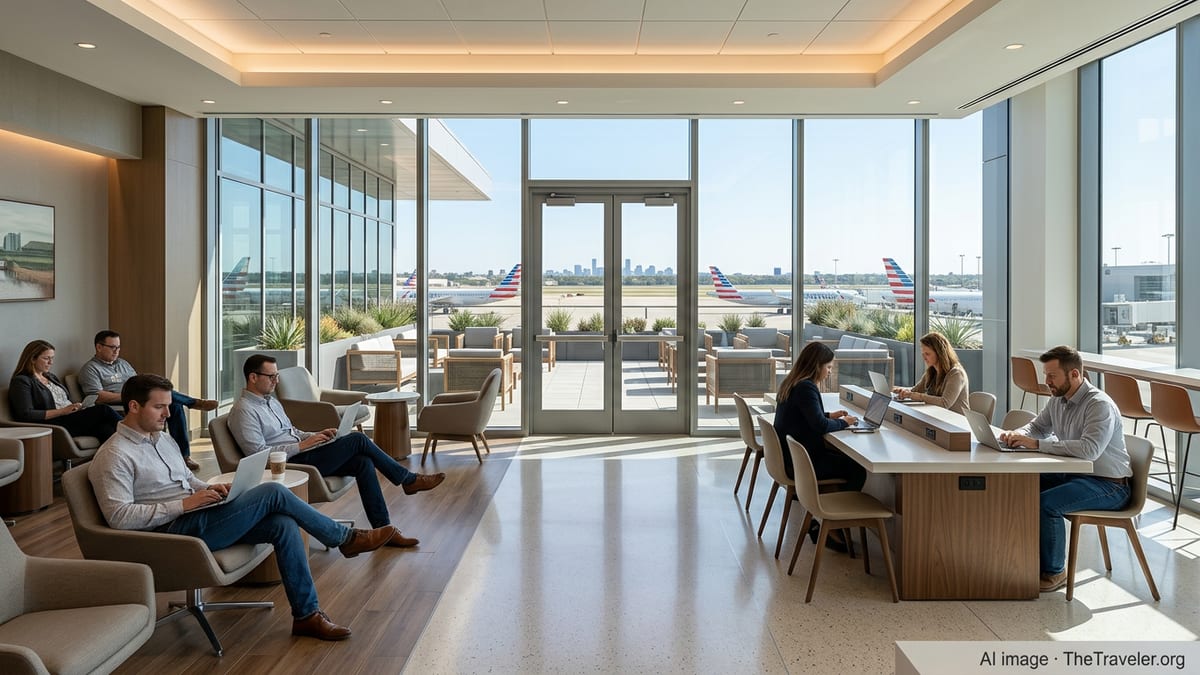
Austin students get a behind-the-scenes look at AUS
The career day at Austin-Bergstrom International Airport brought area high school and college students onto the airport campus for guided tours and interactive demonstrations. Publicly available event information indicates that students were able to see airfield operations, terminal functions, and support facilities up close, gaining a clearer sense of how airlines, airport staff, and contractors work together to move millions of passengers each year.
Organizers framed the event as an opportunity to connect classroom learning with real-world roles, from front-line customer service and ramp operations to technical and engineering positions. By situating the program inside an active airport environment, participants were able to observe day-to-day activity in real time rather than in a purely classroom or career-fair setting.
Reports on recent airport outreach efforts in Austin suggest that demand for this kind of exposure is growing as the region’s aviation sector expands and students seek clearer pathways into stable, skills-based careers. For many attendees, it was a first-time look behind the security checkpoints at how a major airport functions.
Southwest highlights career pathways in a growing Austin hub
Southwest Airlines used the Austin career day to showcase the breadth of jobs that support its operation at Austin-Bergstrom International Airport, from ramp and customer-service agents to technology specialists and maintenance roles. Publicly available corporate reports describe how the carrier has been expanding its presence in Central Texas, making Austin one of its key growth markets and a focus for new hiring and outreach.
Recent Southwest workforce disclosures show that the airline has been investing in K–12 engagement, internships, and early-career programs tied to aviation and airport operations. Those materials indicate that students in Austin are a particular focus, with structured efforts to create pipelines into full-time roles and to connect classroom skills in areas such as STEM, logistics, and hospitality to jobs at the airport.
Career day activities in Austin aligned with this broader strategy by giving students direct exposure to the kinds of teams that keep Southwest flights operating, including aircraft turns at the gate, baggage handling, and coordination between pilots, flight attendants, and ground staff. The intent, according to publicly available information, is to help students see aviation as a long-term career option rather than just a summer job.
Hands-on learning aims to demystify aviation jobs
Information shared about the Austin airport career programming indicates that students were encouraged to explore multiple disciplines rather than focus on a single job title. Sessions highlighted aviation and transportation, operations and logistics, engineering and technology, business functions, facilities management, and public-service roles tied to safety and passenger support.
By organizing the day around themes instead of only individual positions, organizers sought to demonstrate how different specialties intersect to keep flights on schedule and passengers moving. Students were able to see, for example, how operations centers rely on technology teams, how ramp crews coordinate with gate agents, and how maintenance planning and supply-chain management affect the reliability of the overall system.
Publicly available descriptions of recent Southwest outreach efforts emphasize hands-on components, such as activities, demonstrations, and day-in-the-life presentations from employees in a variety of roles. The Austin career day mirrored that approach by prioritizing participation and interaction, which educators and workforce partners describe as especially effective for younger attendees exploring options beyond traditional four-year college pathways.
Workforce and education partners see long-term benefits
The Austin airport career day sits within a larger web of partnerships between Southwest Airlines, the City of Austin, and local education and workforce organizations. City documents outlining recent agreements with Southwest highlight commitments to collaborate on youth internships, airport-based learning experiences, and initiatives that introduce students to careers in aviation and infrastructure.
Publicly available information from regional colleges and training providers shows that guided airport visits and career days are increasingly being used to connect students with high-demand sectors such as aviation, transportation, and logistics. These programs are often paired with advising on next steps, including short-term certificates, technical programs, or entry-level roles that can lead to long-term careers.
For Austin-Bergstrom International Airport, which has seen steady growth in passenger volumes and flight options, building a local talent pipeline is viewed as a strategic priority. The career day contributes to that goal by helping students see the airport not only as a travel gateway, but also as one of the region’s major employment centers.
Career day underscores Austin’s expanding aviation footprint
The timing of Southwest’s involvement in Austin-area career events coincides with the carrier’s wider expansion at Austin-Bergstrom International Airport. According to publicly available corporate announcements, Southwest plans to deepen its operational footprint in the city over the coming years, tying its growth to job creation and continued collaboration with local workforce initiatives.
As Austin’s population and air service continue to grow, industry observers note that exposing students early to aviation careers can help meet future staffing needs across airlines, airport operations, and related services. Events like the career day provide a low-pressure way for students to explore these options, ask questions about training and qualifications, and understand the realities of shift work, safety requirements, and advancement opportunities.
While a single event cannot close the gap between interest and employment, education and workforce organizations in Austin describe airport career days as a critical first touchpoint. By combining Southwest’s industry presence with local training resources and the real-world setting of Austin-Bergstrom International Airport, the initiative is intended to turn curiosity about flying into concrete career plans for the region’s next generation of aviation professionals.