


More news on this day
Spain has confirmed it will receive the MV Hondius, a polar cruise ship at the center of a rare hantavirus outbreak, in the Canary Islands, offering long-awaited hope to nearly 150 passengers and crew stranded off the coast of Cabo Verde after days of uncertainty over where the vessel could safely dock.
Get the latest news straight to your inbox!
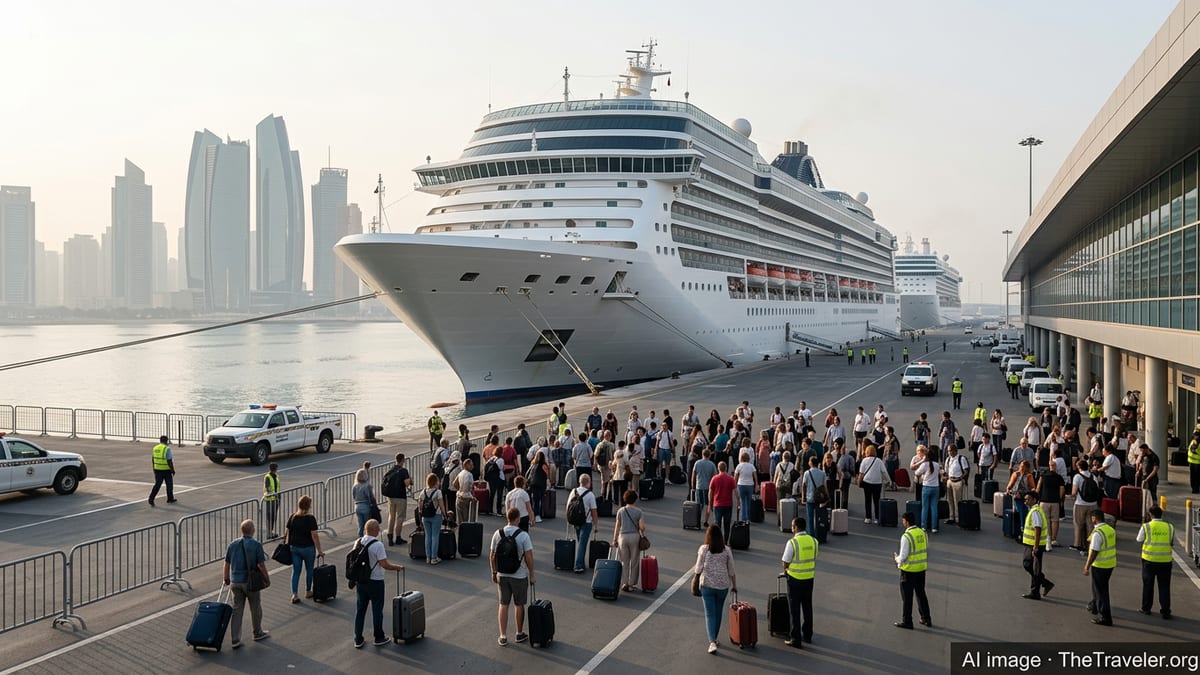
Stranded in the Atlantic After Ports Refused Entry
The MV Hondius, operated as a polar expedition cruise vessel, has been anchored off Cabo Verde after local authorities declined to allow passengers to disembark while specialists assessed a cluster of severe respiratory infections linked to hantavirus. The ship had sailed from Ushuaia, Argentina, toward Antarctica and then across the South Atlantic, calling at remote islands before heading for West Africa.
Publicly available information indicates that three passengers have died since April 11, when a Dutch traveler first fell critically ill on board. Subsequent medical evacuations to South Africa and Europe, along with further suspected cases, left the remaining passengers and crew confined to the vessel as health officials weighed the risks of bringing the ship into port.
With Cabo Verde declining to receive the vessel and other potential destinations initially hesitant, the Hondius became the latest symbol of how infectious-disease scares can leave cruise passengers effectively stateless at sea. Families and travel operators have watched ship-tracking data and official updates for days, waiting for a safe harbor to be designated.
Reports from multiple outlets describe heightened anxiety on board, particularly among older passengers and those with preexisting medical conditions who face delayed access to nonurgent care while the ship remains offshore. Mental well-being has emerged as a growing concern as the days at anchor stretch on.
Spain Steps In After WHO Request
According to published coverage from Spanish and international media, Spain has now agreed, in coordination with the World Health Organization, to receive the MV Hondius in the Canary Islands. The decision follows a formal request from the WHO, which framed Spain’s role in terms of international health regulations and a humanitarian responsibility to assist the 147 people on board.
Spain’s health authorities have indicated that the ship will be allowed to dock at a Canary Islands port once several planned medical evacuations are completed from its current position off Cabo Verde. Public information suggests that at least three individuals identified as high-risk or in serious condition are being transferred by air to specialized facilities in the Netherlands, Germany, and South Africa.
Spanish media report that the government weighed both its legal obligations and the islands’ medical capacity before agreeing to receive the ship. The Canary Islands host high-level infectious-disease units capable of treating patients with hemorrhagic fevers and other high-risk pathogens, which has been cited as a key factor in Spain’s readiness to act.
For those still confined to cabins and public spaces on board, the decision marks a turning point. While the exact docking date and port are still subject to operational and medical planning, the prospect of a confirmed destination brings clarity after days of conflicting signals about whether Spain would, or would not, open its ports.
A Rare and Alarming Hantavirus Cluster
The outbreak on the Hondius has drawn intense attention because hantavirus infections are uncommon globally and typically linked to exposure to rodent droppings in rural or wilderness settings, not to travel on a modern cruise ship. World Health Organization updates describe at least two laboratory-confirmed cases and several additional suspected infections among passengers and crew.
Hantaviruses can cause severe respiratory disease, and some strains, including those identified in South America, have been associated with high fatality rates. In this event, three deaths have been reported in connection with the voyage, and at least one evacuated passenger is receiving intensive care in South Africa, according to recent news reports.
Investigators are still working to pinpoint the source of the infections. Early reconstructions of the itinerary suggest that a passenger who had previously traveled in South America may have acquired the virus before boarding and then developed symptoms during the cruise. Environmental assessments of the ship’s spaces and ventilation are expected once the vessel reaches Spain.
The WHO has assessed the overall risk to the general public as low, based on current evidence. Even so, the unusual setting has prompted questions among travelers and health experts about whether limited human-to-human transmission might have occurred in close-contact environments on board, an issue global health agencies are examining closely.
Logistics, Screening and Next Steps in the Canary Islands
Once the Hondius arrives in the Canary Islands, epidemiologists and specialized medical teams are expected to board the vessel before large-scale disembarkation begins. Publicly available plans described by Spanish outlets and international health agencies include detailed symptom screening, testing of suspected cases, and the separation of close contacts for further monitoring.
Passengers who are well may undergo health checks and registration before being cleared for onward travel, likely with instructions for self-monitoring over several weeks. Those with symptoms compatible with hantavirus infection are expected to be transferred to designated medical centers equipped for high-containment care and infection control.
Sanitation and decontamination of the ship will be another focus. Cruise-industry commentators note that the Hondius, like other expedition vessels, is subject to strict biosecurity procedures, but a confirmed hantavirus cluster will require extensive cleaning and inspection before any future voyages are considered.
Travel insurers and tour operators are also preparing for the complex task of rebooking flights and onward journeys once authorities give clearance. With passengers hailing from multiple countries across Europe and beyond, coordination between national health agencies and consular services will be essential to manage returns while maintaining appropriate health surveillance.
Broader Implications for Cruise Travel and Health Protocols
The Hondius incident is the most visible test in recent years of how the cruise sector and national governments respond to a rare but serious pathogen at sea. Memories of the early COVID-19 era, when virus-hit ships struggled to find ports that would accept them, still shape public perceptions of cruising and contagion risk.
Health experts cited in open-source reports suggest that this outbreak is different in scale and transmissibility from the coronavirus crisis, but the operational dilemmas are similar: how to balance traveler welfare with local public health protection, and how to apply international health rules in real time when evidence is evolving.
Cruise operators are likely to face renewed scrutiny of pre-boarding health checks, onboard medical capabilities, and contingency planning for rare diseases. Expedition itineraries that include remote islands and long ocean crossings may receive particular attention, given the limited access to shore-based medical care.
For travelers considering future cruises, the Hondius case underlines the importance of understanding medical coverage, evacuation provisions, and the infectious-disease policies of both cruise lines and destination countries. As Spain prepares to receive the stranded vessel in the Canary Islands, the outcome of this operation will be closely watched across the travel industry for lessons on managing the next unexpected health emergency at sea.