


More news on this day
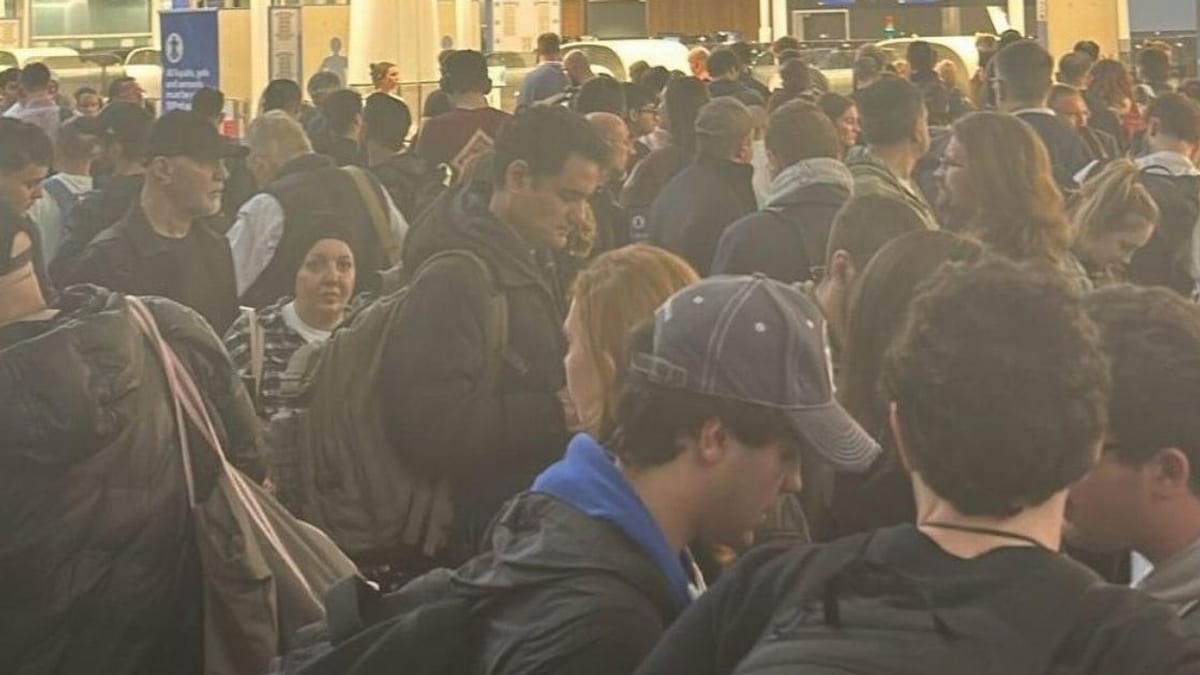
A traveller has reported being left hundreds of pounds out of pocket after severe late-night delays at London Stansted Airport caused them to miss onward transport, forcing them to spend a reported £357 on alternative travel while other passengers were left stranded in the terminal.
Get the latest news straight to your inbox!
Late-night delays trigger costly journey home
According to recent UK media and social media reports, the disruption unfolded after a heavily delayed evening arrival at London Stansted left passengers disembarking long after most ground transport options had wound down for the night. With trains and many coach services no longer running, travellers were left scrambling for taxis or last-minute alternatives.
One passenger has claimed that the combination of delays and lack of late-night connections led to an unexpected bill of around £357 to get home. Accounts describe long queues, limited information and confusion over what support, if any, was available from the airline or the airport for those stranded.
The incident has prompted renewed criticism of late-night resilience at Stansted, particularly for travellers arriving on budget carriers whose schedules cluster around early mornings and late evenings. Observers note that even relatively short disruptions at those times can leave passengers with few realistic options but to pay out of pocket for taxis or airport hotels.
While the precise cause of the specific delay has not been fully detailed in public reporting, recent weeks have seen a mix of weather disruption, congestion and staffing pressures across the UK aviation network, with Stansted among the airports repeatedly cited in delay statistics.
Stansted’s reputation on delays under renewed scrutiny
The case emerges as London Stansted’s performance on punctuality continues to attract attention. Comparative data compiled by travel and consumer outlets in 2025 and early 2026 has repeatedly placed the airport among the UK facilities with the highest levels of delays during peak travel periods, including school holidays and Easter.
Industry data highlighted this spring indicates that Manchester and London Stansted were both among the country’s poorest performers for on-time operations around Easter, with a significant share of flights arriving behind schedule. Broader disruption across England and Scotland in mid-April was reported to have caused hundreds of delays and cancellations, stranding travellers at several major hubs.
Analysts point out that Stansted’s role as a major base for low-cost carriers means it handles dense, back-to-back schedules. When one service runs late, knock-on effects can ripple through subsequent rotations, especially in the late evening. This can translate into long waits at border control, delayed baggage delivery and, in more serious cases, missed onward journeys.
Consumer advocates say these patterns leave passengers particularly vulnerable if delays push arrivals past the last trains or coaches into central London and beyond, as happened in the case now drawing attention for the reported £357 bill.
Limited late-night transport leaves passengers stranded
The disruption has also highlighted the fragility of late-night surface transport links serving Stansted. The airport relies heavily on the Stansted Express rail service to London Liverpool Street, as well as coach routes and private car or taxi travel. Planned engineering works and ad hoc disruption on rail lines have periodically reduced or suspended direct connections, including early-morning and late-night windows.
Recent notices of maintenance between Stansted Airport and Broxbourne, together with previously reported delays to the rollout of wider contactless ticketing on regional routes, have underlined how quickly passengers can be caught out by timetable changes or restricted ticket options. Travellers who miss the final services of the evening often find that their only remaining alternatives are last-minute taxis or ride-hailing services, which can be significantly more expensive than pre-booked options.
Reports relating to the latest incident suggest that once the delayed flight finally arrived, many onward routes had already shut down. Some passengers are understood to have stayed in the terminal overnight, while others attempted to share taxis to reduce costs. The traveller who reported paying £357 appears to have faced a particularly long onward journey at a time when demand for scarce taxis was high.
Publicly available guidance on airport and rail disruption in the UK encourages passengers to check train and coach timetables in advance, especially for late-night arrivals, and to have contingency plans if connections are missed. However, critics argue that individual preparation cannot fully compensate for systemic scheduling gaps that leave passengers without reasonable late-night alternatives.
Questions over support, compensation and passenger rights
The reported out-of-pocket cost has sparked discussion about what stranded passengers can reasonably expect from airlines and airports when delays cascade into missed ground connections. Under UK air passenger rules, travellers on flights that arrive significantly late may be entitled to fixed-sum compensation if the disruption is within the airline’s control, as well as meals and accommodation where required.
However, those entitlements typically do not extend to reimbursement of missed train tickets or airport parking charges, which remain a grey area in many disputes between airlines and passengers. Previous coverage of similar cases at Stansted and Heathrow has shown travellers struggling to recover additional expenses such as new train fares, taxis to and from the airport or second parking bookings when early-morning rebookings are required.
Observers note that in situations where disruption stems from factors considered outside the airline’s control, such as severe weather, airspace restrictions or certain forms of industrial action, cash compensation may not be available even when passengers are left stranded overnight. In such cases, support can be limited to rebooking and basic care, leaving travellers to shoulder the cost of complex onward journeys themselves.
Consumer organisations and specialist claims firms have been urging passengers affected by lengthy delays at UK airports, including recent disruption at Stansted, to document their experiences carefully and to seek independent advice on whether they qualify for redress under current regulations.
Growing frustration over rising airport costs
The Stansted incident has also fed into anger over the overall cost of using UK airports. Separate analyses of airport parking and drop-off fees in 2025 and 2026 have found that passengers at major hubs, including Stansted, collectively spend hundreds of millions of pounds each year on parking and access charges.
Recent coverage of parking and forecourt pricing has placed London Stansted among the most expensive European airports for short-stay parking, with its charges for 24-hour stays and rapid-turnaround drop-off zones drawing particular criticism from drivers and consumer groups. A sharp increase in forecourt drop-off fees in early 2026, including new tiers that can reach more than £25 for longer stops, has been described by critics as punitive for families and travellers with reduced mobility.
For passengers already hit by delays and missed connections, these charges can turn a disrupted trip into a markedly more expensive one, especially if an extra day’s parking or an additional airport journey is required. Commentators argue that when delays cause overnight stranding, the cumulative impact of parking, taxis, food and accommodation can quickly run into hundreds of pounds, as in the case of the traveller who reported being forced to pay £357.
As the busy summer travel period approaches, travel industry observers suggest that the combination of tight airline scheduling, stretched airport staffing and high access costs may continue to generate flashpoints at major UK airports, with Stansted likely to remain one of the most closely watched for signs of further disruption.