


More news on this day
The U.S. Department of State has issued a rare worldwide caution for Americans traveling or living abroad, urging increased vigilance as global tensions and security risks raise the potential for sudden threats and travel disruptions far beyond traditional conflict zones.
Get the latest news straight to your inbox!
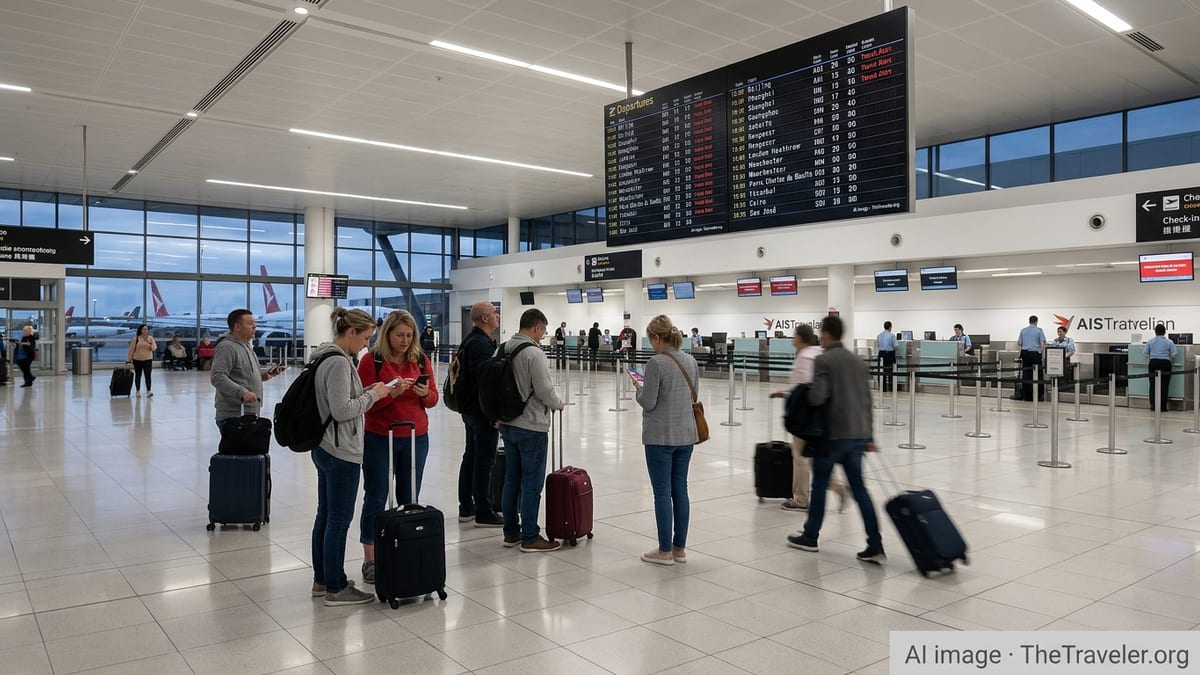
A Rare Global Warning Amid Escalating Tensions
The worldwide caution, posted over the weekend on the State Department’s travel advisory portal, advises Americans in any foreign country to exercise increased caution. Publicly available information indicates that the alert follows a series of recent incidents and military developments centered on the Middle East, including deadly attacks involving U.S. forces and strikes linked to Iranian-aligned groups.
Worldwide cautions are reserved for moments when Washington assesses that security risks to U.S. citizens extend across regions rather than being confined to a single country. Travel analysts note that similar alerts have been issued only a handful of times in recent years, usually connected to major terrorist campaigns or significant escalations in regional wars.
According to current coverage from travel and broadcast outlets, the latest message stresses that Americans overseas should stay alert to the possibility of attacks or unrest targeting U.S. interests, symbolic sites, or crowded public places such as tourist landmarks, transportation hubs, hotels and large events. The language reflects concern that violence linked to confrontations in the Middle East could spill over into other regions, including parts of Europe, Africa and Asia.
While there is no blanket directive to cancel international travel, the government notice frames the risk environment as unusually fluid, with the potential for fast-moving developments that could affect travelers who are far from any active front lines.
What the Worldwide Caution Tells U.S. Travelers
Public guidance on the State Department’s advisory pages urges Americans abroad to maintain a higher level of situational awareness, avoid demonstrations and large gatherings, and monitor local news as well as embassy security messages. Travelers are encouraged to keep their phones charged, know the location of the nearest U.S. embassy or consulate and have contingency plans if normal transportation options are disrupted.
The message also reiterates longstanding recommendations for U.S. citizens to enroll in the Smart Traveler Enrollment Program, which allows embassies and consulates to send security updates directly by email or text. Travel industry reports indicate that enrollment typically rises after global alerts, as travelers and expatriates seek faster access to official information during periods of uncertainty.
In addition to the global notice, country-specific advisories remain in effect. Many popular destinations for U.S. tourists currently carry Level 1 or Level 2 advisories, meaning travelers are asked to exercise normal precautions or increased caution. A smaller group of countries is categorized at Level 3, advising reconsideration of travel, while Level 4 warnings instruct Americans not to travel at all due to extreme security, health or governance conditions.
Analysts observing the latest move underscore that the worldwide caution does not automatically change these individual ratings, but instead overlays a broad warning that conditions worldwide could shift quickly in response to regional escalation, militant reprisals or opportunistic attacks.
Potential Impacts on Flights and Itineraries
Coverage by travel trade publications and television networks notes that U.S. officials are also flagging the possibility of travel disruptions as a result of the deteriorating security picture. These may include sudden airspace closures, diversions, flight cancellations or rerouting around conflict zones, which can trigger delays and missed connections even for passengers traveling between two relatively stable countries.
Airlines routinely adjust flight paths to avoid missile activity, drone operations or military exercises, but widespread rerouting can compress capacity on certain corridors, particularly those connecting North America, Europe and the Middle East. Industry observers point out that such disruptions can ripple into other regions, affecting travelers headed to Africa or South Asia via major hubs.
Travel planners recommend that Americans abroad build extra flexibility into their itineraries, including longer layovers and fully refundable or changeable tickets when possible. Publicly available guidance also emphasizes the value of maintaining access to funds for emergency expenses, confirming travel insurance coverage for conflict-related disruptions, and having a backup plan in case airports or land borders close with limited notice.
For cruise passengers and organized tour groups, itinerary changes are likely to be communicated through operators, which may substitute ports or reroute vessels to avoid higher-risk areas. Travelers are being advised to monitor operator alerts closely and to expect that schedules may remain in flux as the security situation evolves.
How This Alert Fits Into the Broader Advisory System
The worldwide caution sits at the top of a layered advisory structure that has expanded in recent years as international travel rebounded and geopolitical tensions intensified. Destination-specific advisories evaluate threats such as terrorism, crime, civil unrest, health risks, natural disasters and wrongful detention, while separate security alerts highlight immediate or short-term dangers.
Recent congressional testimony and policy discussions have focused on the difficulty of moving Americans quickly out of regions where conditions deteriorate suddenly. Lawmakers have referenced scenarios in which airspace closures or fast-escalating conflicts made commercial departures nearly impossible within hours, leaving citizens stranded despite prior warnings.
Security specialists quoted in open-source reporting note that the latest worldwide caution is designed in part to push travelers to think ahead about worst-case scenarios. That includes understanding where to shelter in place if necessary, keeping travel documents readily accessible, and ensuring that close contacts in the United States know how to reach them if internet or cellular networks are disrupted.
Officials and outside experts consistently describe the advisories as informational rather than prohibitive, emphasizing personal responsibility and preparation. The worldwide caution, they say, is intended to frame the current moment as one in which advance planning and heightened awareness may be more important than at any time in recent travel seasons.
What Americans Planning Trips Abroad Should Do Now
For U.S. travelers with upcoming vacations, study programs or business trips, publicly available guidance suggests starting with a careful review of the State Department’s country-specific advisories and any recent embassy security messages for each stop on the itinerary. That review can help identify particular neighborhoods, border regions or transportation routes that may carry elevated risk.
Health and security experts commonly recommend sharing a detailed itinerary with trusted contacts at home, including flight numbers, lodging details and expected check-in times, then agreeing on how often to communicate during the trip. Travelers are also urged to keep digital copies of passports and important documents, and to know how to contact local emergency services in the countries they are visiting.
Travel planning resources indicate that demand for less volatile destinations may increase if the worldwide caution remains in place, particularly among families and older travelers. However, bookings data and early commentary from major agencies suggest that many Americans are continuing with international trips, while making more deliberate choices about insurance, connectivity and flexibility.
As peak summer travel continues, the rare global alert serves as a reminder that even routine trips can be affected by events far beyond any individual traveler’s control. The message from public guidance across government and industry is that informed preparation, continuous monitoring and a willingness to adjust plans quickly are now central to traveling as an American abroad.