


More news on this day
The U.S. State Department has issued a new worldwide caution for Americans traveling or living abroad, citing escalating conflict with Iran and warning that Iran-backed or pro-Iran groups could target U.S. citizens and interests overseas.
Get the latest news straight to your inbox!
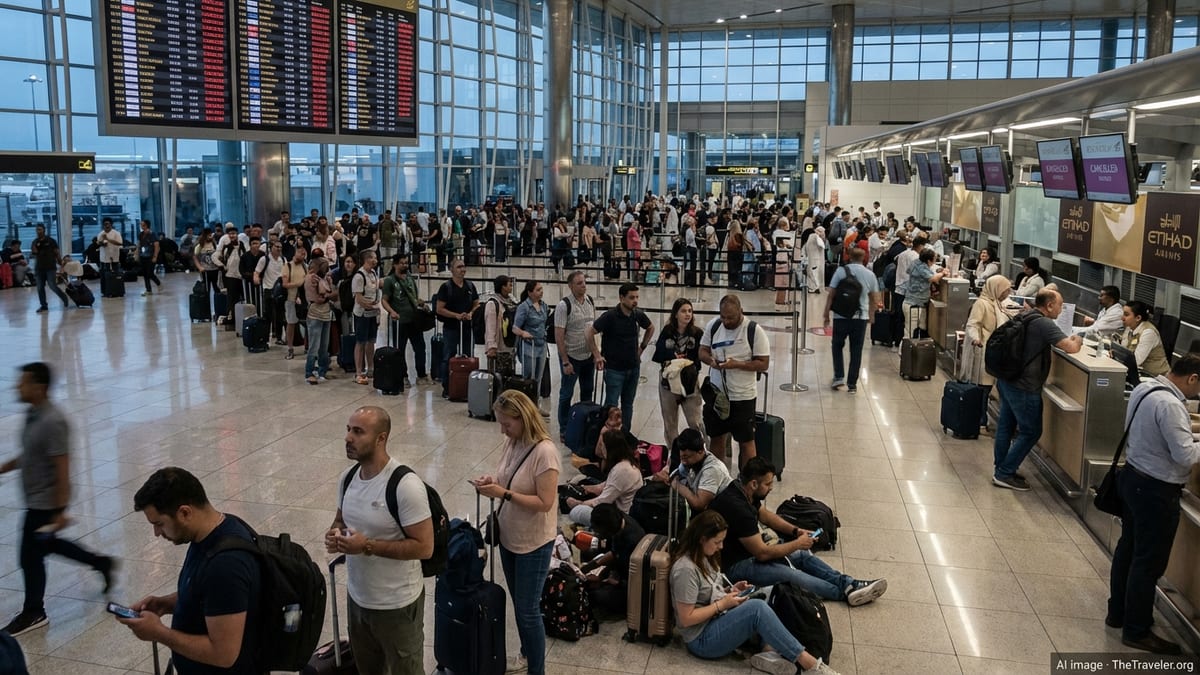
Global alert tied to escalating Iran conflict
According to recent public advisories and news coverage, the latest alert renews and sharpens a standing worldwide caution first updated in March 2026, reflecting what officials describe in published documents as a deteriorating security environment linked to the war involving Iran and U.S. forces. The updated language highlights the risk that groups supportive of Iran may seek to strike American targets beyond the immediate conflict zone.
Reports from outlets including regional television stations and national networks indicate that the alert, issued over the weekend and updated again on July 20, is intended for all U.S. citizens outside the country, not only those in the Middle East. It advises travelers and long-term residents abroad to exercise increased caution, maintain a high level of situational awareness, and stay closely tuned to local news and official messages from U.S. embassies and consulates.
Coverage of the advisory notes that it comes amid continued U.S. military operations against Iranian forces and allied groups, as well as sporadic attacks on American positions in Iraq and elsewhere. Analysts quoted in recent reporting say the warning reflects concern that the conflict, which began in late February, has entered a more unpredictable phase, with an elevated risk of retaliatory or opportunistic attacks far from the front lines.
Publicly available State Department material continues to list Iran as a Level 4 "Do not travel" destination due to unrest, terrorism, kidnapping and the risk of wrongful detention. In the wider region, several surrounding states remain at Level 3 or Level 4, underscoring how quickly conditions can shift for Americans transiting nearby hubs or living in neighboring countries.
Heightened risks for Americans overseas
The updated worldwide caution stresses that Americans abroad may face a mix of direct and indirect threats. According to summaries of the advisory, U.S. citizens could be targeted at locations associated with Western presence, including hotels, restaurants, diplomatic districts, transport hubs and popular tourist areas, especially in regions already on higher alert for terrorism or political unrest.
Recent reporting on the alert notes that the U.S. government sees an elevated chance that proxy groups or lone actors sympathetic to Iran may seek to carry out attacks or harassment campaigns against Americans or facilities perceived as U.S.-linked. This risk exists not only in the Middle East but also in parts of Europe, Africa and Asia where such groups maintain a presence or networks.
The advisory also points to the danger posed by protests and civil unrest sparked by events in the Iran conflict. Demonstrations in major cities can turn violent with little notice, and past incidents have shown that U.S. citizens may find themselves unintentionally close to clashes between security forces and protesters. Public guidance therefore encourages Americans to steer clear of large gatherings, monitor local media, and adjust daily routines to reduce exposure to potential flashpoints.
Beyond physical security threats, the State Department’s broader travel advisory system warns that legal environments in some countries can pose additional risks. Americans who are detained or accused of security-related offenses may face opaque legal processes, limited access to consular support, and prolonged detention, particularly in states where tensions with Washington are high.
Travel disruption: airspace closures and sudden exits
Recent coverage of the warning emphasizes that U.S. citizens should prepare for the possibility of serious travel disruptions as the conflict with Iran continues. The worldwide caution and related regional alerts point to the risk of periodic airspace closures, rerouted flight paths and short-notice cancellations that could leave travelers stranded or forced to transit through alternative, sometimes less familiar, hubs.
Travel industry publications note that airlines have already adjusted operations around parts of the Middle East due to military activity and aviation safety notices. Similar patterns appeared in earlier phases of the conflict this year, when carriers temporarily suspended routes or avoided large swaths of airspace following missile launches and cross-border strikes. For Americans overseas, this can mean longer itineraries, limited seat availability, and higher last-minute fares.
Public documents and recent congressional correspondence reviewing the government’s crisis response highlight how quickly conditions can deteriorate once fighting escalates. Earlier in the war, U.S. citizens in several Middle Eastern countries were urged to depart using commercial options while routes remained available, a reminder that those living abroad may need contingency plans if departures suddenly become difficult.
Given this context, the latest guidance, as summarized in media reports, encourages Americans to keep travel documents current, maintain financial reserves for unexpected expenses, and consider how they would leave a country or region on short notice. Travelers are also urged to review airline and insurance policies related to war or instability, since coverage for disruptions tied to conflict varies significantly.
Practical steps for Americans traveling or living abroad
Publicly accessible State Department resources recommend several concrete measures for Americans facing the current security environment. Travelers are advised to register their trips and contact details with U.S. consular services, enabling embassies and consulates to share security alerts more easily and account for citizens in the event of a crisis. Long-term residents are encouraged to ensure that their local contact information remains up to date.
Government travel information portals also stress the importance of researching destination-specific advisories before departure. Countries are assigned levels ranging from "Exercise normal precautions" to "Do not travel," with detailed notes on terrorism, crime, civil unrest, health risks and potential for wrongful detention. For areas near the Iran conflict zone, current guidance often recommends reconsidering travel or avoiding nonessential trips.
Security experts cited in recent news coverage suggest that Americans should build redundancy into their plans. This can include keeping copies of key documents, storing emergency contacts offline, identifying nearby medical facilities and alternative lodging, and having a communication strategy with family or colleagues in case local networks are disrupted. Travelers are also urged to share itineraries and consider enabling location-sharing functions on their devices with trusted contacts.
For those living abroad, the same sources highlight the value of understanding local emergency procedures, evacuation routes and shelter locations. U.S. citizens are encouraged to follow local government guidance, while also staying aware of the broader geopolitical situation that may influence security conditions in their host country.
What this means for upcoming international trips
While the worldwide caution is broad in scope, travel analysts note that it does not mean Americans must cancel all international plans. Instead, the alert signals that the baseline level of risk has risen because of the Iran conflict, and that travelers need to approach trips with more preparation and flexibility than usual.
Industry observers point out that many destinations remain relatively calm, though circumstances can change quickly if regional tensions spread. The key, according to current public guidance, is to align itineraries with the State Department’s country-specific advisories and to avoid or postpone travel to locations rated "Reconsider travel" or "Do not travel," particularly in and around the Middle East.
For travel providers, the escalation has prompted renewed scrutiny of safety protocols and contingency planning. Tour operators and airlines are reviewing routes, adjusting schedules around sensitive regions and updating customers more frequently about potential disruptions. Travelers are being encouraged to stay in close contact with their carriers and to check bookings often in case schedules change at short notice.
As the conflict with Iran enters another week with no clear end in sight, experts warn that the security environment for Americans overseas is likely to remain fluid. The worldwide caution, paired with destination-specific advisories, is intended to serve as an early signal for U.S. citizens to stay informed, prepare for contingencies and weigh the evolving risks alongside the benefits of international travel.