


More news on this day
Severe thunderstorms sweeping across large parts of the United States have triggered a fresh wave of air travel disruption, with publicly available data showing at least 3,362 flight delays and 99 cancellations affecting major hubs from Dallas and Chicago to Newark, Atlanta, Boston, Houston, Orlando and Myrtle Beach.
Get the latest news straight to your inbox!
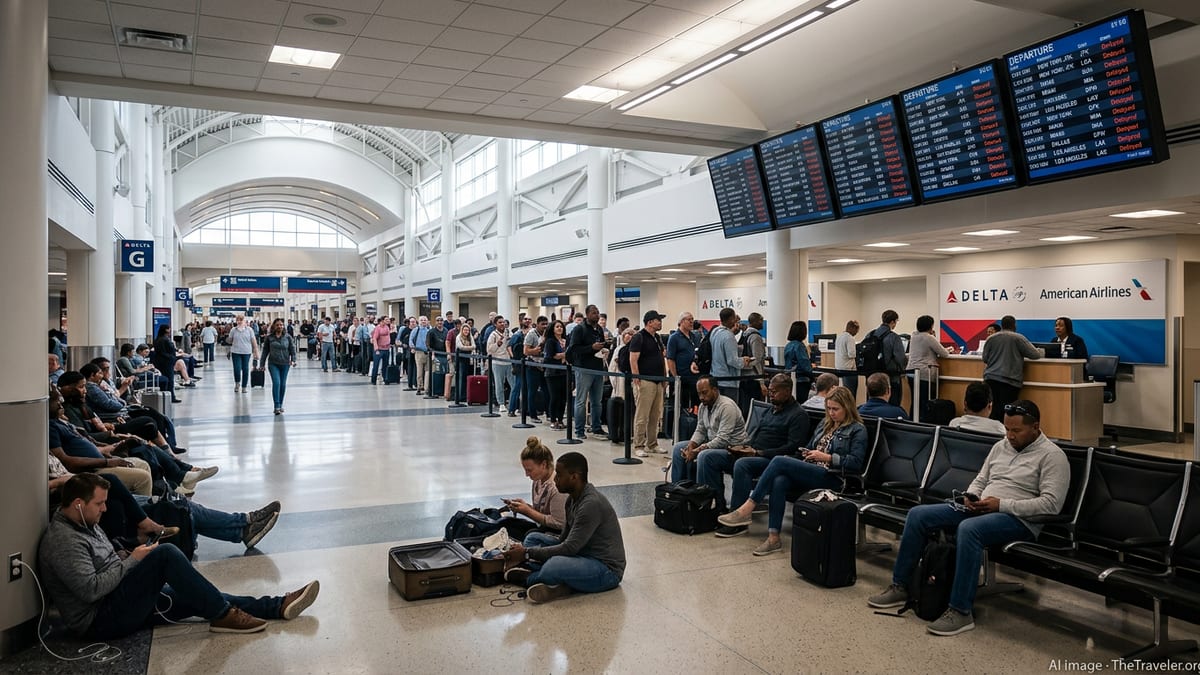
Storm System Disrupts Major U.S. Hubs
The latest round of disruptions emerged as storms moved through the central and eastern United States, slowing traffic through some of the country’s most heavily used airports. Information compiled from flight-tracking and passenger-rights platforms indicates that the combined impact translated into thousands of delayed departures and arrivals in a single day, along with nearly one hundred cancellations concentrated at key hubs.
Dallas Fort Worth, Chicago O’Hare, Newark Liberty and Hartsfield Jackson Atlanta were among the most affected, with knock-on impacts rippling to Boston Logan, Houston George Bush Intercontinental, Orlando International, Myrtle Beach International and several secondary airports. The clustering of delays at these large connecting hubs magnified the disruption across domestic and international networks.
Operational data shows that United Airlines, Alaska Airlines, regional carriers Envoy Air and SkyWest, and other large U.S. operators were all dealing with schedule changes as the weather system moved through. While many services eventually departed, the cumulative effect of rolling delays left passengers facing long waits, missed connections and overnight rebookings.
United, Alaska and Regional Partners Bear the Brunt
According to published coverage drawing on FlightAware statistics, the disruption on this latest storm day added up to 3,461 flight problems in total, combining 3,362 delays with 99 outright cancellations across the United States. United Airlines was among the large network carriers heavily exposed, with its hubs in Chicago, Newark, Houston and San Francisco all located in or near storm affected areas.
Alaska Airlines also experienced turbulence in its schedule, particularly on routes that interline through major hubs in the central and eastern United States. Regional partners Envoy Air and SkyWest, which operate feeder services on behalf of several major brands, were hit as well, as ground stops and reduced arrival rates at big airports squeezed the slots available for smaller regional jets.
The structure of the U.S. hub and spoke system meant that delays on a single leg could cascade through an airline’s daily timetable. A late inbound aircraft at Chicago or Newark, for example, often forces subsequent departures to push back, amplifying disruption throughout the afternoon and evening peak.
Dallas, Chicago, Newark and Atlanta See Systemwide Ripple Effects
Dallas Fort Worth and Dallas Love Field were among the first airports to feel the impact as storms pushed across Texas. Publicly available tracking boards showed arrival and departure banks stacking up with delays, prompting airlines to slow operations while the worst of the weather passed. Houston George Bush Intercontinental experienced similar conditions, feeding additional congestion into the Texas airspace.
Farther north, Chicago O’Hare and Chicago Midway saw schedules bunch as thunderstorms and associated traffic management initiatives reduced capacity. As one of the country’s primary transfer points, any slowdown at O’Hare quickly spread across carriers’ networks, affecting flights bound for both coastal and regional destinations.
On the East Coast, Newark Liberty and Hartsfield Jackson Atlanta recorded high numbers of delayed flights as the storm line shifted. Passengers heading in and out of Boston Logan, Orlando International and Myrtle Beach International also encountered significant hold times on the tarmac and in terminal gate areas as aircraft waited for departure or arrival clearances.
Thousands of Travelers Face Missed Connections and Overnight Stays
The numerical scale of 3,362 delays meant that even when cancellations remained under one hundred, many more travelers were still affected by missed connections and severe schedule changes. For passengers on multi leg itineraries involving Dallas, Chicago, Newark or Atlanta, late arriving aircraft left tight connection windows unworkable.
Reports from traveler advocacy organizations describe long queues at rebooking counters and customer service desks as passengers sought alternative routings. In some cases, travelers were offered same day rebookings via different hubs; in others, limited seat availability meant overnight stays at origin or intermediate airports.
Industry data and prior storm events suggest that recovery from such a widespread disruption can take at least a full operational day, even after weather improves. Aircraft and crew are often left out of position, and airlines must rebuild rotations while accommodating stranded customers.
What Passengers Can Do During Weather Related Disruptions
Consumer guidance from passenger rights platforms notes that, although weather related disruptions are generally classified as outside an airline’s control, carriers in the United States are still expected to provide basic assistance such as rebooking options and refunds after cancellations. Some airlines also outline meal vouchers, hotel support and ground transport on a case by case basis in their customer service plans.
Travel experts recommend that passengers monitor flight status frequently on airline apps, sign up for text or email alerts, and arrive at the airport with additional time when storms are forecast along their route. When a delay stretches into several hours, travelers are advised to explore options such as rerouting through less congested hubs or moving to earlier or later services where seats are available.
For upcoming travel in storm prone periods, flexible tickets and travel insurance can help mitigate some of the financial impact of cancellations and missed connections. With the summer travel season approaching and convective weather common across much of the country, the latest wave of 3,362 delays and 99 cancellations serves as a reminder of how quickly conditions can change for U.S. air travelers.