


More news on this day
New Zealand’s Ministry of Foreign Affairs and Trade is tightening its travel advice for the Middle East, warning that sudden airspace closures and wider security risks could seriously disrupt long haul travel between Australasia, Europe and parts of Asia.
Get the latest news straight to your inbox!
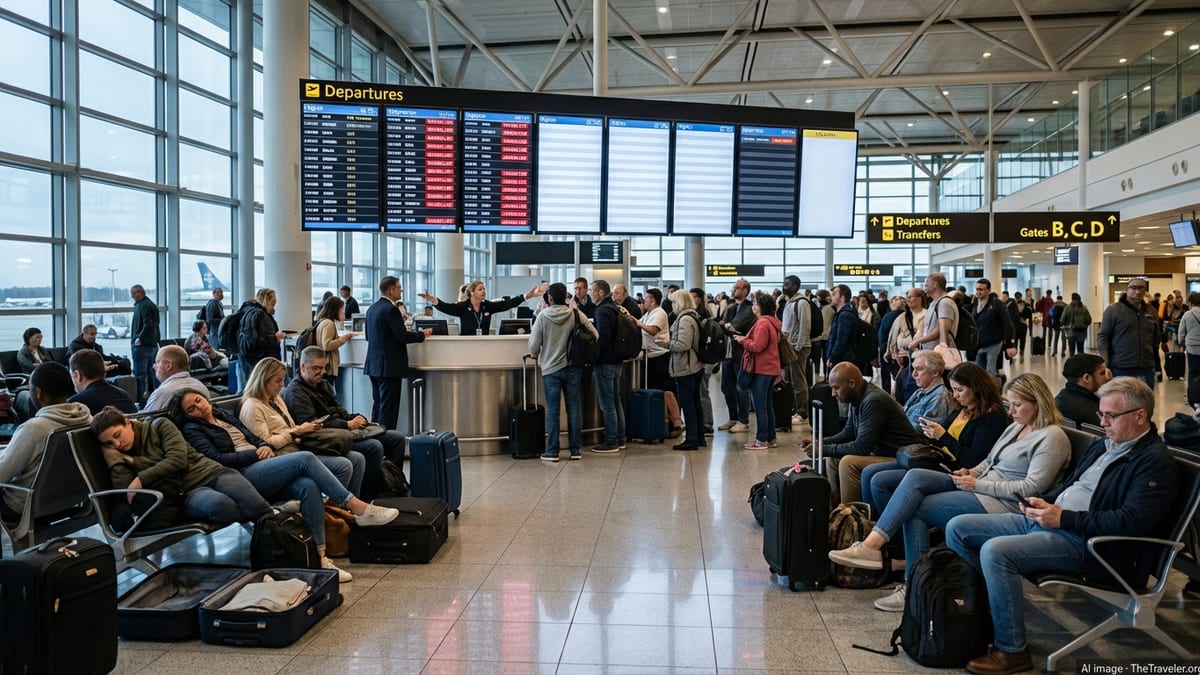
Heightened conflict risk prompts broader travel warnings
The latest SafeTravel updates from New Zealand’s foreign ministry highlight an increasingly volatile security picture across the Middle East, with specific references to missile and drone activity, attacks on infrastructure and the prospect of further escalation in and around the Gulf region. Publicly available advisories describe a pattern of strikes and counterstrikes linked to the Iran conflict, including targeting of military facilities and warnings about civilian infrastructure such as airports and fuel depots.
MFAT has moved a number of Middle Eastern destinations to higher alert levels, advising against non essential travel to several countries and urging New Zealanders already in the region to maintain contingency plans. Recent destination specific pages for Gulf states such as Kuwait, Oman and Bahrain emphasise that there are now more significant security concerns than travellers would normally experience, citing the potential for civil unrest and terrorism alongside the regional conflict dynamic.
The tightening of advice aligns with broader international concern. Updated guidance from governments including the United States points to a higher risk environment for travellers in the wider Middle East, and notes that citizens should be prepared for sudden flight cancellations, temporary airport closures and periodic restrictions on overflight routes.
New Zealand’s foreign ministry also stresses that travellers may receive limited or no advance warning of hostile activity. Public information aimed at citizens in the region advises that missile or drone attacks could occur without formal alerts, reinforcing the message that travel through or within affected countries now carries elevated risk.
What airspace closures could mean for long haul routes
The warning about possible airspace closures is particularly significant for travellers using Middle Eastern hubs as transit points between Australasia and Europe. During earlier phases of the 2026 Iran war, wide swathes of airspace over the Gulf and parts of the Levant were temporarily shut to civil aviation, forcing airlines to cancel thousands of flights or divert around the region at short notice.
Recent New Zealand and European risk assessments describe ongoing concern about conflict related threats to high altitude civil aircraft. European Union aviation safety authorities have shifted from a blanket conflict zone bulletin covering the broader Middle East to more targeted notices for Iran, Iraq and Lebanon, but still identify medium to high residual risks in several upper airspace zones. While some restrictions imposed earlier in the year have been eased, regulators continue to caution that the security outlook is fluid and that new closures could be imposed quickly if tensions spike.
For airlines, renewed airspace shutdowns could mean longer routings, higher fuel burn and more complex operational planning as carriers seek to skirt conflict zones. For passengers, the more immediate impact would be last minute schedule changes, missed connections and extended journey times, particularly on services that usually rely on hubs such as Dubai, Doha and Abu Dhabi to connect Australasia with Europe, Africa and parts of Asia.
Insurance and aviation industry briefings issued since the outbreak of the Iran conflict have repeatedly warned that war related disruptions are often excluded from standard travel cover. Advisories from travel insurers serving the New Zealand market note that claims linked to ignoring “do not travel” warnings may not be paid, underscoring the financial as well as practical implications if airspace closures disrupt itineraries.
MFAT urges travellers to rethink routings through the region
MFAT’s SafeTravel material now goes beyond country specific risk descriptions to address the broader impact of the Middle East conflict on global mobility. A standing advisory on travel, fuel supply and security impacts encourages New Zealanders to consider avoiding the Middle East entirely when planning long haul journeys, and to route via alternative hubs where possible.
Publicly available guidance highlights the experience of travellers earlier in the year who became stranded when key Gulf hubs were temporarily closed or operating at severely reduced capacity. In many cases, passengers faced extended stays in transit cities while airlines assessed the security situation, obtained new overflight permissions and reshuffled their networks to accommodate aircraft and crew out of position.
The ministry also points to the knock on effect of any renewed disruption, noting that closure or restriction of major Middle Eastern hubs can spill over to Europe and Asia as airlines re route services and compete for limited alternative airspace corridors. Travellers are being encouraged to allow more time for connections, to build flexibility into their itineraries and to monitor airline communications closely in the days before departure.
Some carriers that sell tickets in the New Zealand market have already issued customer notices acknowledging the risk of short notice schedule changes on routes touching the region. These updates outline temporary flexibility policies for rebooking or rerouting, and advise passengers to ensure contact details are up to date so that alerts about cancellations or delays can be delivered promptly.
Wider fallout for fuel prices and global travel patterns
MFAT’s market intelligence reporting sets the Middle East travel warnings within a broader economic context. Analyses of the Iran conflict note that restrictions on shipping through strategic chokepoints such as the Strait of Hormuz have already reduced the movement of oil and refined petroleum products, contributing to sharp increases in global fuel prices.
While New Zealand no longer imports crude oil directly from the Gulf, MFAT reports emphasise that many of the Asian refineries that supply the country depend heavily on Middle Eastern crude. Any sustained disruption to tanker traffic or export infrastructure in the region could therefore affect the cost of aviation fuel used on trans Tasman and long haul services, with potential implications for airfares and airline capacity planning.
Travel industry data discussed in government and airport reporting suggests that travellers are already adjusting behaviour in response to the conflict. Routes that avoid the Middle East appear to be gaining relative popularity, with greater use of Asian and North American gateways to reach Europe, while demand for itineraries transiting Gulf hubs has softened.
At the same time, global aviation bodies have pointed to the resilience of long haul travel demand overall, suggesting that while the Middle East conflict is reshaping patterns of movement and adding complexity for airlines, it has not significantly reduced New Zealanders’ appetite for overseas travel.
Practical steps for New Zealanders with upcoming trips
The heightened MFAT advice has immediate implications for travellers with existing bookings to or through the Middle East. Publicly available guidance encourages New Zealanders to register their travel plans on the SafeTravel portal, enabling consular staff to contact them quickly if the security situation deteriorates or if evacuation flights become necessary.
Travellers are being urged to check the latest destination specific advisories on a regular basis, as alert levels can change rapidly in response to events on the ground. MFAT also recommends that anyone planning to transit a Middle Eastern hub confirm with their airline or travel agent whether alternative routings are available, particularly if their journey is non essential or highly time sensitive.
Insurance providers advise customers to read policy wording carefully, with particular attention to exclusions related to war, terrorism and government travel warnings. Some policies may allow changes or cancellations if advice levels are raised after a booking is made, while others may not provide cover if a traveller chooses to proceed against explicit “do not travel” guidance.
For those who still intend to fly via the region, government and industry advisories stress the importance of staying informed. That includes monitoring reputable international news outlets, watching for updates from aviation regulators and airlines, and remaining prepared for the possibility of sudden airspace restrictions that could reshape flight paths or ground services with little notice.