


More news on this day
Passengers booked on an Airblue flight from Islamabad to Sharjah are reporting severe disruption after a late-night schedule change left some unable to board, with several then facing last-minute replacement fares of around Rs 82,000 per person.
Get the latest news straight to your inbox!
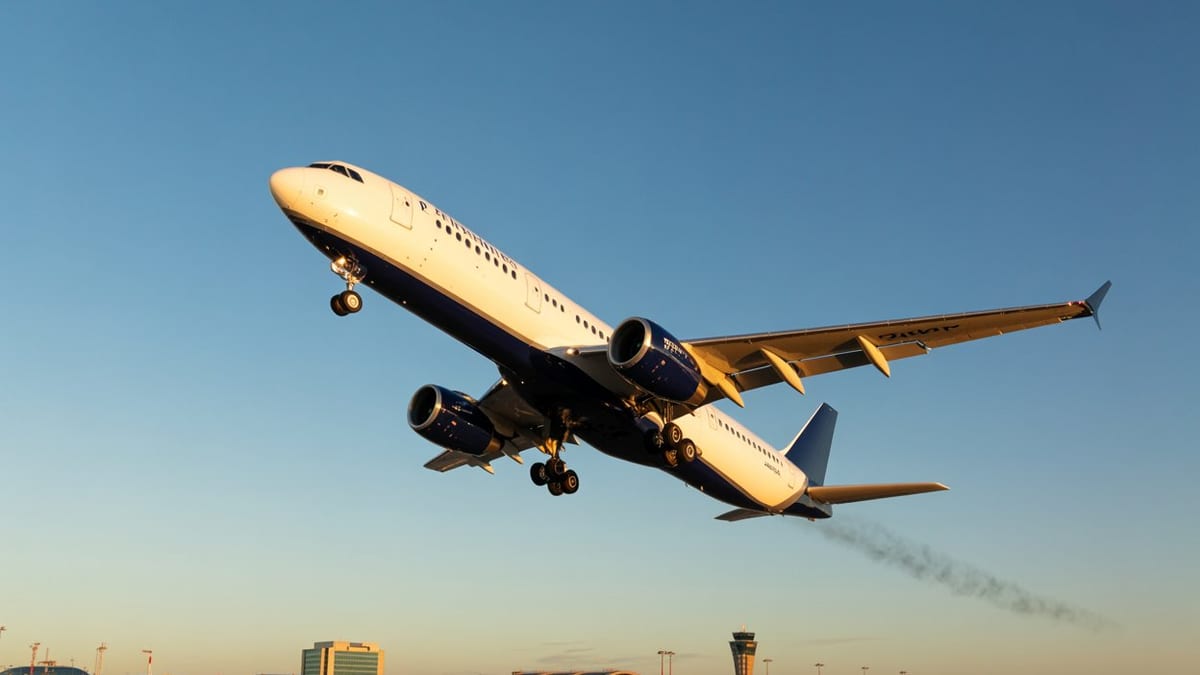
Confusion at Islamabad Airport After Schedule Change
Reports from Islamabad International Airport indicate that multiple passengers holding confirmed tickets for Airblue Flight 212 to Sharjah arrived on August 30 expecting an early afternoon departure, only to learn at the airport that the flight had already been closed to boarding. Coverage from local travel media describes families and individual travelers left in the terminal trying to rebook at short notice after a change communicated during the night led to confusion about the final departure time.
According to published accounts, passengers believed the revised schedule would see the flight depart mid-afternoon, around 1:15 pm, and many planned their airport arrival around this timing. However, when they reached the check-in area late morning, they were reportedly told that the flight was no longer accepting passengers. At that point, they were effectively treated as no-shows despite holding valid tickets.
The incident affected more than a single booking, with multiple travelers describing a similar sequence of events. Publicly shared details indicate that the group included passengers connecting onward from the United Arab Emirates, heightening the stakes of any missed departure and adding pressure to secure new seats as quickly as possible.
Replacement Tickets Reported at Around Rs 82,000
With the original flight no longer an option, stranded passengers turned to same-day alternatives on other carriers. Coverage in Pakistani travel and consumer outlets notes that the only viable options for reaching the UAE on schedule were last-minute seats priced at about Rs 82,000 per person, significantly higher than many advance-purchase fares on the same route.
For families traveling together, publicly available information suggests that the additional cost quickly escalated into several hundred thousand rupees in unplanned expenses. Some reports compare the walk-up fares with earlier ticket prices for the same Islamabad–Sharjah corridor, underscoring the scale of the financial shock faced by those who felt they had little choice but to purchase new tickets.
Accounts posted on consumer-review platforms and social media in recent months have highlighted similar complaints involving missed flights and short-notice changes that left travelers buying expensive same-day tickets on other airlines. While each case involves different circumstances, the pattern has intensified public scrutiny of how carriers handle communication and assistance when disruptions occur close to departure.
Airblue’s Published Rules on Changes, Refunds and Liability
Airblue’s own terms and conditions state that passengers who need to change flights must generally pay any applicable change fee in addition to any fare difference, with the same original fare not guaranteed. The airline’s ticketing rules further specify that refunds are subject to a refund fee and that tickets expire 30 days after the flight date, after which they hold no value. These provisions place clear limits on how much flexibility passengers can expect once travel plans shift.
Separate guidance on Airblue’s public website summarizing passenger rights notes that when a flight is cancelled, travelers should be offered either alternative transport or a full refund of the unused ticket. The airline also outlines a “limited liability” framework under which its maximum responsibility for denied boarding, delays, or cancellations is capped at the price paid for the ticket. This means compensation is typically linked to the original fare rather than any downstream costs, such as emergency bookings on other carriers.
The gap between these stated policies and the out-of-pocket expenses reported by stranded passengers has fueled questions among consumer advocates and frequent flyers about whether current protections adequately address real-world costs. For those who purchased Rs 82,000 replacement tickets, the amount potentially reclaimable under airline rules may fall far short of their total financial loss.
Growing Scrutiny of Customer Experience on Pakistan–UAE Routes
The Islamabad–Sharjah incident adds to a wider conversation about service reliability on popular Pakistan–UAE routes, where competition among carriers is strong but schedules are often tightly packed. Over the past few years, online reviews and forum posts have catalogued traveler frustrations that range from abrupt timetable shifts to denied boarding and slow complaint resolution.
On major consumer review platforms, Airblue passengers have described scenarios in which delays, overbooking, or operational changes forced them to buy new tickets with other airlines to avoid missing international connections. Some reviewers note that they were subsequently informed they were eligible for refunds or partial compensation, but that the process took months or remained unresolved, adding uncertainty to the financial impact of disrupted trips.
Travelers who rely on Pakistan–UAE links for work and family visits say such events can have knock-on effects beyond immediate costs, including missed meetings, lost income, or shortened stays. The reported Rs 82,000 fares at Islamabad International Airport illustrate how quickly disruption can translate into a major financial shock, especially for households that plan trips carefully around school holidays and peak travel periods.
Calls for Clearer Communication and Stronger Enforcement
Consumer advocates and legal commentators focusing on aviation have long argued that the effectiveness of passenger-rights frameworks depends not only on written rules but also on how consistently they are communicated and enforced in real time. In the Airblue case, publicly available reports suggest that confusion over the final departure time and boarding cut-off played a central role in why would-be travelers ended up stranded.
Air passenger rights documents linked from Pakistani carriers’ websites typically emphasize that, in cases of cancellations or significant delays, airlines should either reroute passengers or provide refunds, and in some circumstances offer meals or accommodation when overnight stays become necessary. For time-sensitive international journeys, advocates say that clear information about schedule changes, explicit guidance on when check-in counters will close, and proactive rebooking support can greatly reduce the risk that passengers are pushed into buying high-priced alternatives out of desperation.
As the Islamabad–Sharjah episode circulates widely online, travelers are increasingly turning to official terms and passenger-rights pages before booking to understand what support they can expect when flights are disrupted. Industry observers note that carriers operating in and out of Pakistan’s major hubs may face growing pressure to demonstrate that rebooking and refund options are applied in a way that aligns with both published rules and traveler expectations.
Bloom Pakistan: Stranded Airblue Passengers Forced to Buy Rs 82,000 Tickets
Airblue: General Terms and Conditions of Carriage