


More news on this day
A Rhode Island couple expecting to board a Caribbean cruise from Florida instead welcomed a surprise baby boy after the woman learned she was 33 weeks pregnant and already in labor only hours before their ship was scheduled to sail.
Get the latest news straight to your inbox!
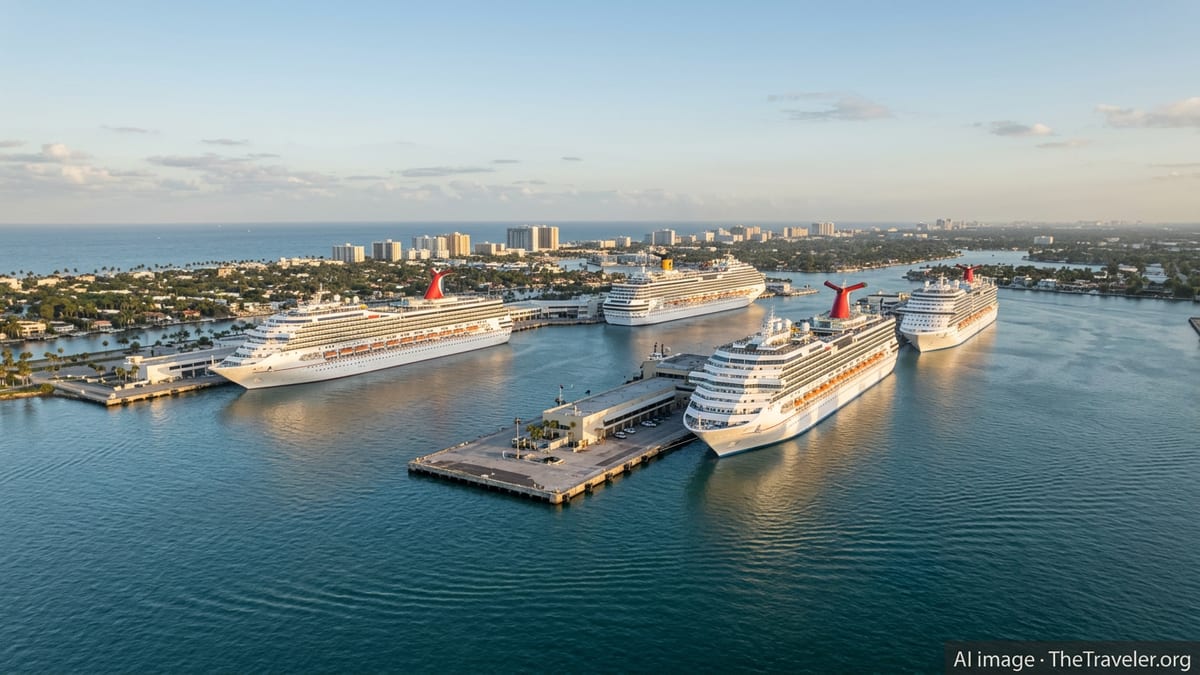
A Florida Cruise Vacation Turns Into a Delivery Day
According to regional broadcast coverage from Florida and New England, the couple traveled from Rhode Island to the Tampa Bay area in mid-July to visit relatives and then join a Royal Caribbean sailing departing from Port Tampa Bay. In the hours before embarkation, the woman began experiencing what she believed was severe abdominal pain unrelated to pregnancy.
Reports indicate she sought treatment at an urgent care clinic in Apollo Beach, south of Tampa, where clinicians ordered tests and an ultrasound. Publicly available information shows that the scan revealed she was approximately 33 weeks pregnant and already having contractions, despite not having realized she was expecting.
Within roughly half a day of receiving the news, the couple’s plans had shifted from boarding a cruise ship to preparing for delivery at a local hospital. Local television coverage notes that about 12 hours after learning she was pregnant, the woman gave birth to a baby boy, named Sebastian, at HCA Florida Brandon Hospital instead of sailing out of Tampa Bay.
The newborn arrived several weeks before his due date but was reported to be doing well. The family now remains in the Tampa area while they work through paperwork, including securing a birth certificate and arranging new travel plans home with an infant who did not exist on any itinerary when they left New England.
No Symptoms, Birth Control and a Missed Cruise
Public accounts from the couple describe the pregnancy as a complete surprise. The mother has said she was taking birth control and did not experience the typical signs many people associate with pregnancy. Coverage from Boston and Tampa outlets indicates she attributed earlier discomfort and minor symptoms to other causes and continued with daily life, including planning a vacation at sea.
Medical reporting has previously documented that some pregnancies go unnoticed until late in the third trimester, though such cases are rare. Data cited in national health coverage in past years suggest that a small fraction of women do not realize they are pregnant until after 20 weeks, and an even smaller percentage only discover the pregnancy when labor begins.
In this case, the discovery came just in time to prevent the mother from boarding the ship. Cruise industry blogs that examined sailing schedules report that Royal Caribbean’s Radiance of the Seas was scheduled to depart Tampa on July 13, the same day Sebastian was born. By the time labor was confirmed, the couple could no longer reasonably make embarkation.
What began as a pre-cruise visit with friends and family therefore turned into an unplanned stay near a Florida hospital. Instead of boarding with luggage and beachwear, the couple quickly had to focus on neonatal care, health insurance questions in a different state and how to get themselves and their new baby back to Rhode Island.
Strict Cruise Pregnancy Policies Limit Late-Term Travel
The story has drawn attention from cruise watchers in part because, had the couple reached the pier as planned, the woman’s pregnancy would have exceeded line policies. Royal Caribbean’s published pregnancy guidelines, summarized in cruise forums and blogs, state that guests who will be 23 weeks pregnant or more at any point during the voyage are not permitted to sail.
Those policies are broadly in line with major cruise brands, which generally bar passengers in the late second and third trimesters. The primary concern, according to widely shared explanations from medical and cruise industry sources, is the risk of preterm labor at sea. Cruise ships have medical centers but typically do not have obstetric specialists or neonatal intensive care units capable of caring for very premature infants.
Historical cases of premature births on ships have underscored those risks. Past coverage of cruise deliveries has described newborns weighing less than two pounds, born at or before the edge of viability, who required urgent transfer to shore-based hospitals. Such incidents often lead to course changes, unexpected medical evacuations and complicated questions about jurisdiction, insurance and citizenship.
Against that backdrop, many seasoned travelers in online discussions have framed the Florida case as a fortunate near miss. Because the pregnancy was discovered before boarding, the potential for an emergency delivery in the middle of the Caribbean was averted, even as the couple forfeited their long-planned vacation.
Viral Reaction and Ongoing Logistics for the New Family
As the story spread through regional and national outlets and cruise-focused blogs, social media users reacted with a mix of astonishment and empathy. Commenters highlighted how easily the outcome could have been different had the pain started after the ship left port or if the woman had dismissed her symptoms until later in the day.
Reports indicate that the couple is now working through the practical consequences of an unexpected birth far from home. Publicly available coverage notes that they are staying in the Tampa area while final medical checks are completed and while they arrange documents for the newborn, including a birth certificate listing a Florida hospital rather than their home state.
Travel home with a days-old infant also requires new planning. Instead of preparing for shore excursions and onboard entertainment, the couple faces questions such as when their son will be cleared to fly, whether family can travel south to assist and how to manage missed work and added expenses from an extended stay.
For the cruise line, the situation appears to have been resolved before it became a medical incident at sea, and there is no indication from public reporting that the ship altered its itinerary. For the family, the anticipated cruise has now been replaced by an origin story that will likely be retold for years: a vacation that ended before it began and a baby who arrived just in time to avoid being born on board.
Renewed Focus on Travel Planning and Medical Disclosures
The episode is already being cited by travel commentators as an example of why cruise passengers are asked to complete detailed health questionnaires before boarding. These forms typically include specific questions about pregnancy and medical fitness, intended to identify higher-risk situations that might require additional documentation or preclude travel.
Industry blogs and message boards show that experienced cruisers frequently advise anyone who could be pregnant to consult a medical professional and check cruise line policies well in advance of sailing. Some travelers also recommend purchasing comprehensive travel insurance that explicitly covers pregnancy-related complications, trip interruptions and medical care in ports of call.
For people who discover a pregnancy shortly before departure, published accounts and online discussions suggest there may be limited flexibility. Some travelers have reported obtaining future cruise credits or partial refunds after providing documentation of pregnancy, while others describe stricter interpretations of terms and conditions that leave them absorbing the full cost of a missed trip.
In the Florida case, publicly available reporting has so far focused on the human-interest angle rather than the financial aftermath. What is clear is that one family left New England expecting a week at sea and instead gained a son in central Florida, adding a new, unexpected chapter to the long list of travel stories where life events override even the most carefully planned itinerary.