


Tampa has quietly grown into one of Florida’s most interesting short-break cities, mixing a walkable waterfront, Latin heritage, theme park thrills and easy access to Gulf Coast beaches. Whether you have one day, a long weekend or a full three days, it is very possible to sample the Riverwalk, historic Ybor City, Busch Gardens, downtown’s museums and rooftop bars, plus nearby sands like Clearwater Beach or St. Pete Beach without feeling rushed. This guide lays out realistic, time-efficient routes for 1, 2 and 3 days in Tampa, with practical examples of what to do, how long to allow and what it is likely to cost.
Get the latest updates straight to your inbox!
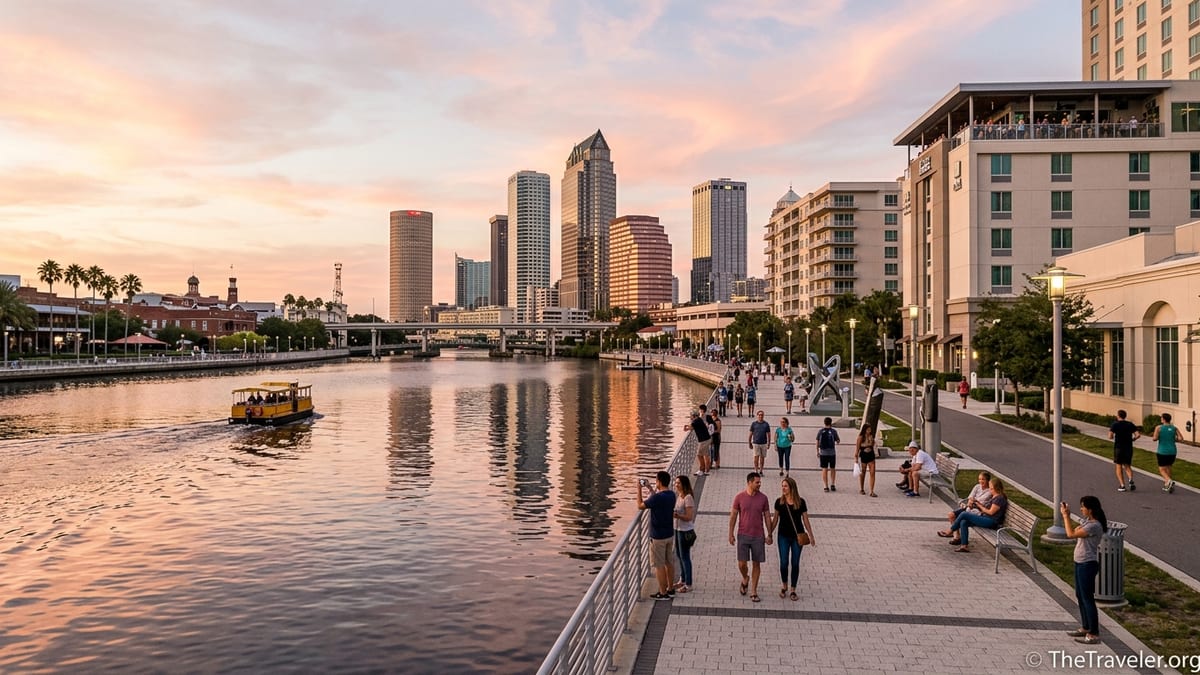
How Many Days Do You Really Need in Tampa
For a first visit, one full day in Tampa is enough to walk the Riverwalk, visit at least one major attraction such as the Florida Aquarium or Tampa Museum of Art, and finish with dinner and drinks in Ybor City. Many cruise passengers or Orlando visitors do exactly this on a tight schedule, arriving by late morning, spending the afternoon on the waterfront and capping the night with Cuban food and live music before returning to their hotel or ship.
Two days allows you to balance culture and nightlife with either theme park thrills or a half day on the beach. A common pattern is to devote day one to downtown and the Riverwalk, then spend day two either at Busch Gardens Tampa Bay or on the sand at Clearwater Beach or St. Pete Beach. This works well for couples and families who want both city experiences and classic Florida coast time without changing hotels every night.
Three days or a long weekend opens up Tampa’s neighborhoods and nearby day trips. You can fold in Seminole Heights for its independent restaurants and breweries, Hyde Park for its shaded streets and boutiques, and perhaps an evening at a Tampa Bay Lightning game in season. With three days you can also absorb the pace of Ybor City, stopping for a late-morning café con leche, lingering over a long lunch at a historic restaurant and returning later for nightlife instead of trying to fit everything into one evening.
Because Tampa is relatively compact, especially around downtown, Ybor City and Seminole Heights, you will spend less time in traffic than in many other Florida cities. The TECO streetcar between downtown and Ybor is free, Uber and Lyft are widely available, and a typical cross-town ride within the core areas often runs in the range of 10 to 25 dollars one way depending on time of day and demand, which makes rideshares a realistic option for visitors who prefer not to rent a car.
Perfect 1 Day in Tampa: Riverwalk & Ybor City
If you have just one day, start on the Tampa Riverwalk, the paved promenade that runs for roughly two and a half miles along the Hillsborough River through downtown. Many visitors begin near the Tampa Convention Center where you can look across the water to Harbour Island, then walk north toward the cluster of cultural attractions. Between late morning and mid-afternoon you can comfortably reach the Tampa Museum of Art and Curtis Hixon Waterfront Park, pausing at cafés that face the river for coffee or a light brunch.
For a deeper dive into local history, cross the river to the Tampa Bay History Center or continue along the Riverwalk to the Florida Aquarium, which is especially convenient if you are traveling with children. Standard adult admission at either of these major attractions generally falls in the range of about 30 to 40 dollars per person before any discounts or combination tickets, so a couple or family may want to decide in advance whether to prioritize sea life or regional history based on their interests.
By mid to late afternoon, make your way to Ybor City, Tampa’s historic Latin quarter just northeast of downtown. You can ride the free TECO Line Streetcar from downtown to the heart of the Ybor City Historic District, stepping off near 7th Avenue, the neighborhood’s main brick-lined artery. This is the place to wander past old cigar factories, specialty cigar lounges, vintage shops and cafés serving Cuban sandwiches and café con leche. Many travelers plan a stop at the Columbia Restaurant, recognized as Florida’s oldest restaurant, where a typical entrée such as paella or ropa vieja is often priced in the mid-20 to mid-30 dollar range.
Stay in Ybor into the evening to experience its nightlife. On weekends, venues along 7th Avenue range from casual bars with local bands to multi-level clubs with DJs and dance floors. Spots such as long-running goth and alternative club The Castle draw devoted crowds, while live music venues and smaller lounges appeal to visitors looking for a less club-focused night. If you are staying downtown, a taxi or rideshare back to your hotel late at night usually takes less than 15 minutes when traffic is normal, which makes Ybor an easy and atmospheric finale to a one-day visit.
Two Days in Tampa: Add Busch Gardens or the Beach
With a second day in Tampa, you can add either theme park thrills or a classic beach outing without abandoning the relaxed pace. Many visitors choose Busch Gardens Tampa Bay, a combination of roller coasters, animal habitats and live entertainment located about a 20 to 25 minute drive from downtown in light traffic. Single-day admission often starts around the high 80 to low 100 dollar range per adult depending on seasonal promotions, and parking typically adds about 30 dollars for the day, so it can be useful to budget this as a full-day experience rather than a quick stop.
If you opt for Busch Gardens, arrive near opening time to take advantage of cooler morning temperatures and shorter lines for headline coasters like Iron Gwazi and SheiKra. Families often split their time between thrill rides and animal-focused areas such as the Serengeti Plain, which can be viewed from the park’s train or from observation areas along the pathways. Dining inside the park is casual and priced similarly to other major theme parks, with counter-service meals commonly in the mid-teens per person for a sandwich or platter and drink.
Travelers who prefer a second day centered on the water often head west across the causeway to Clearwater Beach or St. Pete Beach, which are reachable in roughly 40 to 60 minutes by car from central Tampa depending on traffic. Clearwater Beach is known for a long, wide strand of white sand and a busy pier area where sunset brings street performers and crowds, while St. Pete Beach has a slightly more laid-back, resort-focused feel lined with hotels and beach bars. Renting a pair of beach chairs and an umbrella on these beaches typically falls somewhere in the 30 to 50 dollar range for a day, depending on vendor and season.
Whichever option you choose, return to Tampa in the late afternoon with time for dinner in a different neighborhood. Hyde Park, just south of downtown, offers tree-lined streets and a concentration of midrange and higher-end restaurants where a typical main course might sit in the low- to mid-20 dollar range, while Seminole Heights north of downtown is known for independent eateries and breweries that attract locals for creative menus and relaxed patios.
Three Days & Long Weekends: Deeper Tampa & Day Trips
On a third day or over a long weekend, you can slow your pace and dig into Tampa’s neighborhoods or add an easy day trip. One popular option is to spend a morning in Seminole Heights, a residential area with craft coffee shops, vintage stores and breweries set in early 20th-century bungalows. Visitors might start with breakfast at a neighborhood café, then work their way through a couple of breweries by mid-afternoon, with tasting flights typically in the mid-teens for four or five small pours.
Alternatively, devote your extra day to a more relaxed beach town such as Pass-a-Grille at the southern tip of St. Pete Beach or the Greek-influenced community of Tarpon Springs to the northwest. Pass-a-Grille appeals to travelers who want low-rise buildings, a walkable historic core and easy Gulf views, while Tarpon Springs is known for its sponge docks and Greek bakeries. Many visitors make a half day of it by driving in for a late-morning stroll and lunch, then returning to Tampa for a final evening on the Riverwalk or in Ybor City.
Back in downtown Tampa, a long weekend gives you time to enjoy the Riverwalk at different times of day. Early mornings are popular with runners and locals out with dogs, while late afternoons often bring families and couples wandering between public art, playgrounds and waterside bars. Renting a kayak or stand-up paddleboard from an outfitter near the Riverwalk for an hour or two on the Hillsborough River is a common way to change perspective, with prices often somewhere in the 25 to 40 dollar range for a single kayak or board rental.
If your visit aligns with sports season, consider incorporating a Tampa Bay Lightning game at Amalie Arena near the southern end of the Riverwalk, or a Tampa Bay Rays game across the bay in St. Petersburg. Tickets for weekday games in the upper levels can sometimes be found in the low- to mid-20 dollar range, while weekend and premium opponents cost more. Planning one of these events as the anchor of an evening itinerary lets you combine pre-game drinks on the Riverwalk with a lively local crowd, which can be as memorable as a formal attraction.
Food, Nightlife & Neighborhood Vibes
Food often ends up shaping how visitors remember Tampa. Ybor City is the obvious place to sample Cuban and Spanish-inspired dishes, from pressed Cuban sandwiches loaded with roast pork, ham and pickles to plates of black beans and rice or seafood paella. Historic restaurants such as the Columbia draw both tourists and locals for signature dishes and nightly flamenco shows in some of their dining rooms, while smaller cafés along 7th Avenue offer quick, more affordable meals where a sandwich and coffee might total in the low teens per person.
Downtown and the Riverwalk lean toward modern American and seafood-focused menus with plenty of outdoor seating facing the water. Many waterfront bars and restaurants run late-afternoon happy hour specials that can bring the price of a draft beer or house wine down into the 4 to 7 dollar range, making this a good time to take a break between daytime sightseeing and evening plans. For a more polished setting, rooftop bars on downtown hotels provide views of the skyline and the Hillsborough River, with cocktails typically priced around the mid-teens.
Nightlife in Tampa varies dramatically by neighborhood. Ybor City is the busiest late-night district, especially on Friday and Saturday nights when crowds fill 7th Avenue and nearby side streets. Here you can move between cigar lounges with leather chairs and shelves of hand-rolled cigars, dance clubs with multiple floors and light shows, and live music venues that cater to indie, rock, electronic or Latin styles. Dress codes are generally relaxed, though some clubs maintain casual smart standards on weekend nights, such as no sleeveless shirts for men or no beachwear.
For a quieter evening, Hyde Park and parts of downtown offer wine bars, hotel lounges and restaurants that stay open late without turning into full-scale clubs. Seminole Heights balances breweries with neighborhood bars, many of which host trivia nights, food trucks or small-scale live music. Travelers who prefer to avoid driving after drinking will find rideshares readily available, and it is common for visitors to budget an extra 20 to 40 dollars per night for short rides between neighborhoods and back to their hotels.
Practical Planning Tips for Tampa
Most visitors arrive in Tampa via Tampa International Airport, which sits roughly a 15 to 20 minute drive from downtown in normal traffic. A typical Uber or Lyft ride from the airport to a downtown hotel may run in the 25 to 40 dollar range depending on time of day and vehicle type, while taxis are usually priced similarly. If you are planning to spend most of your time in downtown, Ybor City, Hyde Park and on the Riverwalk, you can realistically manage without a rental car by combining rideshares, the free streetcar and walking.
Those intent on multiple beach days or day trips to more distant spots such as Weeki Wachee Springs or the Crystal River area may find a rental car easier despite downtown parking fees. Many downtown hotels charge daily parking in the range of 20 to 35 dollars, while parking lots in Ybor City and near the Riverwalk often post daily maximums in the teens or low 20s. When visiting Ybor in the evening, it is wise to use well-lit garages or lots and note the streetcar schedule if you plan to ride back downtown after midnight, when service can be more limited.
Weather is a key planning factor. From roughly June through September, afternoons are often hot and humid with frequent but short thunderstorms, so it is smart to front-load outdoor walking and theme park visits into the morning and keep an indoor museum, mall or aquarium in mind for sudden downpours. Winter and early spring are typically drier and more comfortable, which is why hotel rates and airfares can be higher in those months. Packing light layers, a compact umbrella and comfortable walking shoes goes a long way toward making the Riverwalk and Ybor’s brick streets more enjoyable.
Budget-wise, Tampa can be tailored to a wide range of price points. Visitors staying in midrange chain hotels downtown or near the airport often find nightly rates in the low- to mid-200 dollar range outside peak holidays, while upscale waterfront and boutique properties can climb higher in winter and during major events. Eating strategically, such as making lunch your main restaurant meal and opting for more casual dinners, can keep daily food costs per person in a moderate band even while sampling some of Tampa’s signature dishes.
Suggested Routes for 1, 2 and 3 Days
To turn all of this into concrete days on the ground, think in terms of clusters rather than a rigid hour-by-hour schedule. On a one-day trip, keep your morning and early afternoon around the Riverwalk and central downtown, shifting to Ybor City by late afternoon and staying there into the night. This minimizes backtracking and allows enough time to enjoy both the waterfront and Ybor’s atmosphere rather than rushing through each.
On a two-day visit, use day one as above, then dedicate most of day two either to Busch Gardens or to a beach town such as Clearwater Beach. Trying to squeeze both a major theme park and a full beach afternoon into a single day tends to leave travelers exhausted. If you do choose Busch Gardens, consider a calmer evening back on the Riverwalk or at a restaurant in Hyde Park. If you spend the day at the beach, you might plan a lower-key night in Seminole Heights or a simple sunset stroll along the Riverwalk instead of another late one in Ybor.
For three days or a long weekend, you can combine both the theme park and the beach day if you enjoy busy trips, but many travelers prefer to mix one “big” day with one lighter day. A realistic three-day pattern could be day one on the Riverwalk and Ybor, day two at Busch Gardens, and day three as a relaxed outing to Tarpon Springs or Pass-a-Grille with a final dinner and drink back in Tampa. Another option is to skip the theme park entirely and use those hours to explore museums, breweries and independent restaurants in Seminole Heights and Hyde Park.
Whatever pattern you choose, build in at least one unstructured window, such as a free afternoon after lunch on the Riverwalk or a spare morning with nothing more planned than coffee in Ybor City and a slow walk. Tampa’s appeal is as much about soaking in the feel of its neighborhoods and waterfront as it is about ticking off attractions, and leaving space for a spontaneous rooftop drink or a live band you stumble upon often turns a good itinerary into a memorable one.
The Takeaway
Tampa works unusually well for short, focused trips. In a single day you can walk the Riverwalk, visit a museum or aquarium, and spend an evening surrounded by the brick façades and neon of historic Ybor City. With a second day you can choose between the coasters and animals at Busch Gardens or soft sand on the Gulf, and a third day lets you add neighborhoods like Seminole Heights or a day trip to Tarpon Springs or Pass-a-Grille.
Because the city’s core districts sit close together and transportation options are straightforward, you will spend less of your limited time in transit and more of it along the water, in cafés and on the beach. By choosing one or two major paid attractions, mixing them with low-cost pleasures such as sunset on the Riverwalk or a morning coffee in Ybor, and clustering your activities by neighborhood, you can shape a Tampa itinerary that feels full but not frantic.
Ultimately, the best Tampa itinerary is the one that balances your interests. History-minded travelers may linger in Ybor’s museums and cigar factories, families might prioritize Busch Gardens and the Florida Aquarium, and couples may put more emphasis on waterfront dining and nightlife. Use the sample routes as a starting point, adjust for your own pace and budget, and you will find that Tampa rewards both first-time visitors and those returning for another long weekend on Florida’s west coast.
FAQ
Q1. Is one day in Tampa enough to see the highlights?
Yes, one full day can cover the Riverwalk, a major attraction such as the Florida Aquarium or Tampa Museum of Art, and dinner plus drinks in Ybor City if you start by late morning and cluster your activities.
Q2. Do I need a car to follow this Tampa itinerary?
No, if you focus on downtown, the Riverwalk, Ybor City and nearby neighborhoods, you can combine rideshares, the free TECO Line Streetcar and walking. A car becomes more useful if you want multiple beach days or day trips farther afield.
Q3. How far is Busch Gardens from downtown Tampa?
Busch Gardens is roughly a 20 to 25 minute drive from downtown in normal traffic. Many visitors use a rental car or rideshare for the day and plan this as a full-day outing.
Q4. Which beach is better for a day trip, Clearwater Beach or St. Pete Beach?
Clearwater Beach has a livelier pier area and a wide central strand that suits families and first-time visitors, while St. Pete Beach feels slightly quieter and more resort-focused. Both are within about an hour’s drive of downtown Tampa when traffic is reasonable.
Q5. Is Ybor City safe at night for visitors?
Ybor City is a busy nightlife district and most visitors who stick to the main streets, use well-lit parking lots or garages and follow normal city precautions have a smooth visit. As with any urban area, it is sensible to stay aware of your surroundings, especially late at night.
Q6. What is the best time of year to visit Tampa?
Many travelers prefer late fall through early spring when temperatures and humidity are lower and rain is less frequent. Summer can still be enjoyable if you plan outdoor activities for mornings and keep indoor options in mind for hot or stormy afternoons.
Q7. How expensive is Tampa compared with other Florida cities?
Overall, Tampa often feels slightly more affordable than some South Florida destinations. Hotel prices vary widely by season and location, but food, rideshares and attraction costs are generally in line with other major Florida cities.
Q8. Can I visit both Busch Gardens and the beach on the same day?
It is technically possible but tends to feel rushed. Most travelers enjoy their trip more when they devote one full day to Busch Gardens and a separate day to the beach, especially in warmer months.
Q9. Is the Tampa Riverwalk walkable for families with strollers?
Yes, the Riverwalk is paved, mostly flat and designed for pedestrians, joggers and strollers. There are restrooms, playgrounds and shaded seating areas at intervals that make it family-friendly.
Q10. Where should I stay for a short Tampa visit?
For a 1 to 3 day trip, staying in or near downtown, the Channel District or Harbour Island places you close to the Riverwalk and streetcar to Ybor City, which makes it easier to follow the suggested routes without long daily commutes.