


More news on this day
A new economic study from Texas Christian University indicates that American Airlines’ total footprint in North Texas could surpass 70 billion dollars a year when direct operations, supplier spending and visitor activity are fully accounted for, underscoring the carrier’s outsized role in the region’s growth and long-term planning.
Get the latest news straight to your inbox!
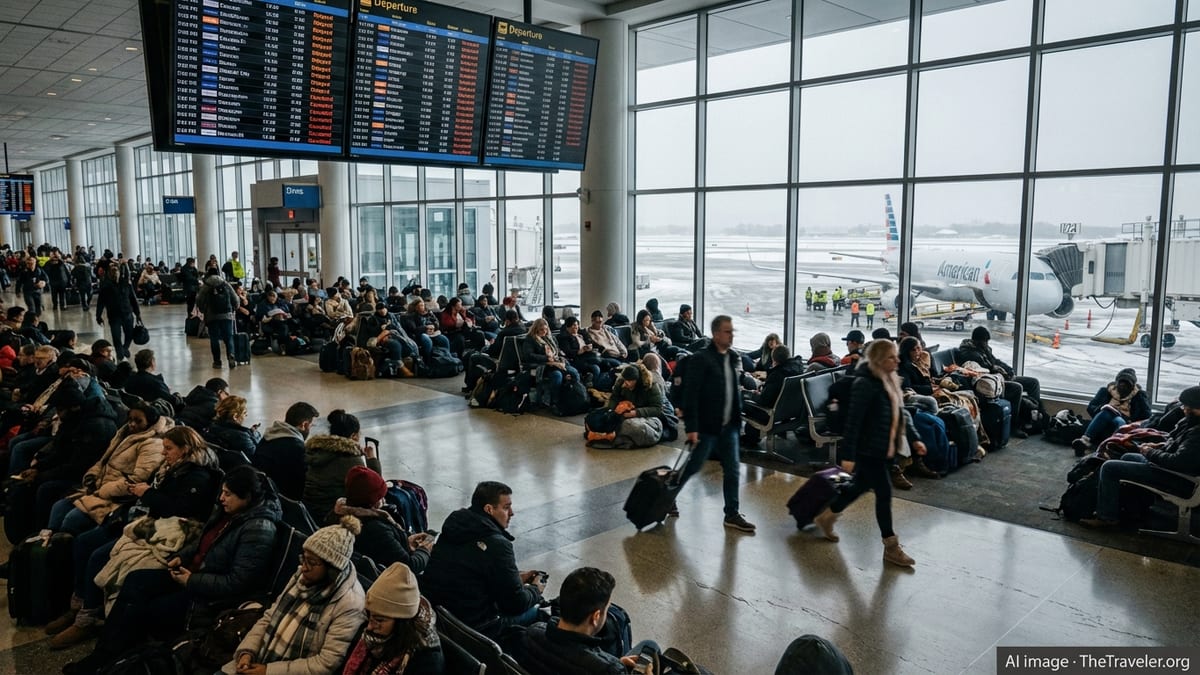
Study sizes up American’s expanding North Texas footprint
The TCU analysis examines how American Airlines’ presence radiates through the Dallas Fort Worth area, combining the airline’s direct employment and facilities with wider effects such as visitor spending, contracting and construction tied to future growth. Using widely accepted input output modeling, the report concludes that American’s annual economic impact in North Texas could ultimately exceed 70 billion dollars as planned investments and network expansion mature over the coming years.
The study emphasizes that American’s headquarters campus in Fort Worth, its extensive operations at Dallas Fort Worth International Airport and its network of maintenance, training and corporate facilities together anchor a dense cluster of aviation related activity. That cluster supports jobs not only at the airline itself but also among contractors, technology providers, food and retail vendors, logistics firms and professional services across the Metroplex.
Researchers also account for the way visitors arriving on American flights spend money at hotels, restaurants, entertainment venues and convention facilities, multiplying the airline’s influence beyond the airport perimeter. When these indirect and induced effects are layered on top of payroll and capital spending, the combined total approaches the scale of some of the region’s largest industry sectors.
Jobs, wages and regional competitiveness
According to the TCU findings, tens of thousands of North Texas jobs are directly tied to American Airlines, from pilots and flight attendants to corporate staff, ground handlers and maintenance technicians. Publicly available figures from recent airport and state level studies suggest that the carrier’s broader employment footprint, including supplier and visitor related positions, reaches into the hundreds of thousands across Texas, with the highest concentration in the Dallas Fort Worth area.
The report points to American’s role in shaping the region’s wage base, noting that many aviation and aerospace positions pay above the area’s median salary. That income supports consumer spending on housing, retail, healthcare and education, reinforcing North Texas’ reputation as a destination for both skilled workers and major employers seeking robust labor markets.
Analysts at TCU also link the airline’s presence to corporate relocation decisions. Ready access to a global hub, with hundreds of daily departures and extensive international connectivity, is frequently cited in public economic development materials as a factor in companies’ decisions to bring headquarters, logistics centers and backoffice operations to the Metroplex.
DFW Airport’s hub operations magnify the effect
The study situates American’s impact within the larger context of Dallas Fort Worth International Airport, where the carrier operates its largest hub and accounts for the majority of passenger traffic. Previous economic impact work on DFW has described the airport as one of the most powerful economic engines in Texas, generating tens of billions of dollars in regional activity each year and supporting hundreds of thousands of jobs.
By layering TCU’s airline specific modeling on top of that airport level picture, the new report illustrates how American’s network strategy magnifies DFW’s role. As connecting traffic and new international routes are added, more visitors enter the region, more goods move through cargo channels and more aviation support services are required on the ground.
Researchers note that long term use and lease agreements between American and DFW, along with terminal expansion projects and new gates, are designed to accommodate higher passenger volumes in the next decade. Those investments, they suggest, will help push the combined economic footprint of the airline’s North Texas operation toward and potentially beyond the 70 billion dollar threshold.
Infrastructure, real estate and long-term planning
Beyond payroll and visitor spending, the TCU report highlights a wave of physical investment connected to American’s North Texas presence. The airline’s Fort Worth headquarters campus, training centers and hospitality facilities have added millions of square feet of office, lodging and support space in recent years, drawing allied businesses and services to surrounding corridors.
Local planning documents and industry coverage indicate that public infrastructure has followed suit, with new roads, utilities and transit improvements designed to handle growing traffic volumes around the airport and major corporate campuses. These projects, in turn, attract additional private development in logistics parks, hotels and mixed use districts catering to workers and travelers.
TCU’s researchers frame these capital flows as part of a long horizon story in which aviation acts as a central organizing force for North Texas growth. The prospect of American’s impact surpassing 70 billion dollars, they argue, reflects not just current operations but multi decade commitments to connect the region more tightly to national and global markets.
Balancing economic gains with volatility in the airline sector
While the headline figures in the TCU study underscore substantial economic gains, the report also acknowledges the inherent volatility of the airline industry. Profit cycles, fuel prices, regulatory shifts and global events can all influence carrier strategies, employment levels and investment timetables.
Public commentary in recent years has pointed to periods of restructuring and job cuts at major airlines, including American, even as carriers report strong traffic and revenue. The TCU authors note that this cyclicality is an important consideration for regional planners and business leaders who rely on aviation as a growth engine.
For North Texas, the findings suggest a need to pair the advantages of hosting one of the world’s largest airline hubs with continued diversification of the local economy. At the same time, the scale of American’s projected footprint reinforces arguments in favor of maintaining competitive air service, investing in resilient airport infrastructure and coordinating land use decisions around key transportation assets across the Metroplex.