


More news on this day
A Caribbean cruise meant to be a carefree family getaway has ended in heartbreak after a teenage passenger died on board, transforming a long‑planned dream holiday into a tragedy that is drawing renewed attention to medical care and safety procedures at sea.
Get the latest news straight to your inbox!
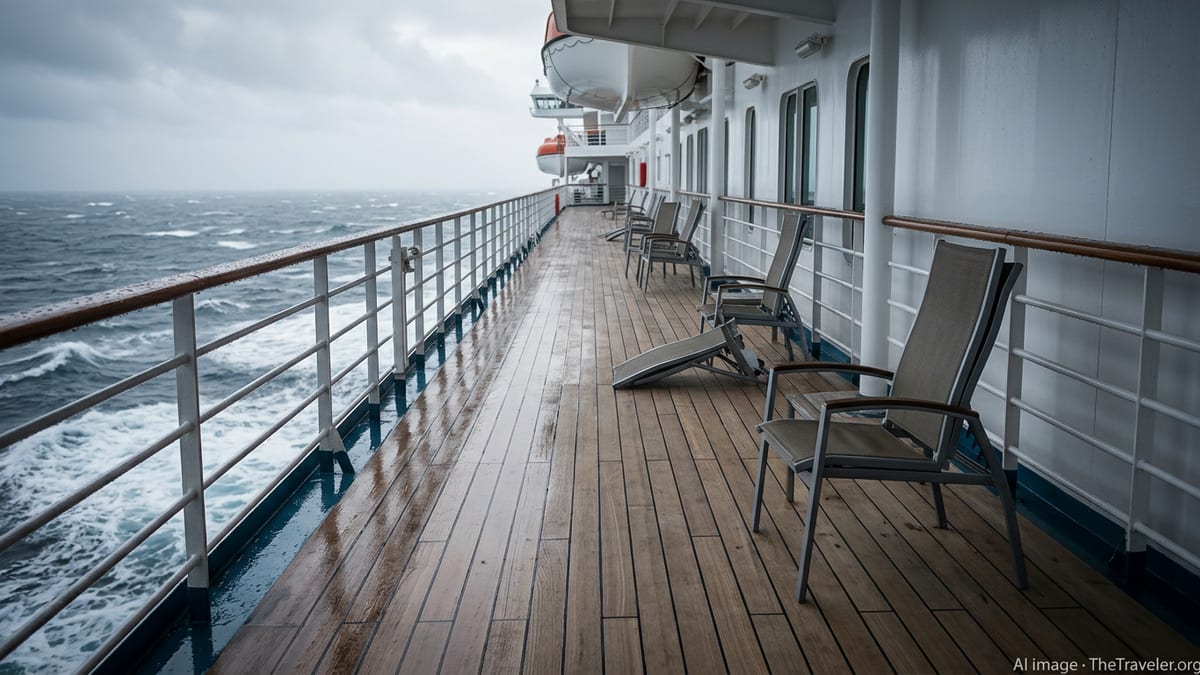
Dream voyage cut short by sudden loss
Publicly available information indicates that the teenager fell critically ill while traveling with relatives on a multi-day cruise itinerary, with the ship at sea when the medical emergency unfolded. Efforts to save the young passenger were not successful, and the death was confirmed on board before the vessel reached its next port of call.
Reports from mainstream news outlets and cruise-community coverage describe a family who had booked the voyage as a celebratory getaway, only to find themselves navigating formal investigations and repatriation logistics instead of shore excursions and onboard entertainment. Social media posts shared by friends and extended relatives speak of shock, disbelief and a profound sense of a life cut short far from home.
Details around the exact cause of death have not yet been fully clarified in publicly accessible documents. In similar maritime incidents, final determinations are typically made following autopsy and toxicology testing in cooperation with authorities in the ship’s flag state and the country of residence of the deceased.
The cruise operator involved has been named in multiple news reports, which note that the company expressed condolences and indicated that it was cooperating with official inquiries. Standard practice in the sector is to offer support to relatives and make counseling services available to guests and crew affected by traumatic onboard events.
How medical emergencies are handled at sea
According to cruise-industry guidance that is publicly available, large ocean-going ships are required to maintain medical facilities designed to handle routine care and stabilize more serious cases until a patient can be transferred to shore. Typical onboard teams include at least one physician and several registered nurses, with equipment for cardiac monitoring, basic laboratory testing and emergency interventions.
When an incident occurs far from land, options can be limited by distance, sea conditions and the availability of air or boat transfers. Industry documentation notes that shipboard medical staff must weigh the risks of diverting a vessel to the nearest port against continuing to treat a patient on board while arranging external support. These decisions are usually guided by teleconsultations with medical specialists ashore and by protocols aligned with international maritime standards.
In recent years, some cruise lines have invested in telemedicine links and expanded training for crew members in basic life support, reflecting growing awareness of health expectations among travelers. However, high-profile deaths involving younger passengers continue to raise questions about whether existing standards are adequate, particularly for rare but rapidly evolving conditions.
Maritime-law commentators point out that, while cruise vacations are generally considered safe, the isolated environment of a ship can magnify the consequences of delayed diagnosis or limited resources. Families affected by onboard deaths often call for clearer communication around the scope and limits of medical capabilities at sea.
Investigations and legal framework after a death at sea
When a passenger dies on a cruise ship, a complex web of jurisdiction can come into play. Responsibility for investigation may involve officials in the country where the vessel is registered, the nation whose waters the ship is sailing through, and the home country of the deceased passenger. Publicly available legal analysis notes that this can make it challenging for families to understand which agencies are leading which parts of an inquiry.
Initial steps typically include securing the scene, documenting circumstances, interviewing witnesses and preserving medical records. The body is usually kept in a refrigerated facility on board until the ship reaches port, after which local authorities arrange for transfer to a medical examiner or coroner. Final reports can take weeks or months, especially if multiple jurisdictions are involved.
Consumer-rights advocates who monitor cruise incidents argue that families often face an opaque process when seeking information about what happened at sea. They highlight gaps between the expectations of travelers, who may assume land-based hospital standards, and the patchwork of international conventions, company policies and local laws that actually govern medical practice and evidence collection on board.
Travel-law specialists also note that liability questions in cruise-related deaths can be complicated by ticket contracts, which frequently include arbitration clauses and limitations on where lawsuits can be filed. For grieving relatives, navigating these legal pathways can feel daunting while they are still processing their loss.
Emotional toll on families and fellow travelers
Accounts shared in open online forums by people who have experienced deaths or serious emergencies at sea suggest that the emotional impact extends well beyond the immediate family. Fellow passengers often describe a sudden shift in atmosphere, with festive activities feeling jarring once news circulates that someone on board has died.
Families who lose a loved one mid-voyage face the added stress of being physically confined on the very ship where the tragedy occurred, surrounded by reminders of their original holiday plans. Practical matters such as meeting with ship representatives, organizing travel changes and managing communications with relatives at home can compound their grief.
Cruise operators commonly state, in public-facing policies, that staff are trained to offer compassionate assistance, from arranging private spaces for families to coordinating with consular services and local agencies. However, support groups formed by bereaved travelers say that experiences vary, with some relatives feeling well cared for and others reporting confusion about what help was available.
Psychologists who study disaster and trauma note that deaths away from home, especially involving young people, can trigger feelings of guilt and anger alongside sadness. Parents and siblings may replay decisions made before and during the trip, even when no clear mistakes were made, and can struggle with the fact that the final moments occurred out of their control on an unfamiliar vessel.
Calls for improved transparency and traveler awareness
The latest case has prompted renewed discussion about what cruise passengers should be told before boarding about medical facilities, emergency protocols and the process that follows a death at sea. Travel-safety advocates argue that clearer language in pre-departure materials could help families make informed choices, especially when traveling with children or teenagers.
Some campaigners are urging regulators and industry groups to standardize how serious incidents are recorded and reported, saying that a more comprehensive public record would support independent analysis and help identify patterns. They also suggest that consistent guidance on how families can access investigative updates would ease some of the uncertainty that often follows an onboard death.
For now, travel advisers recommend that prospective cruise passengers carefully review health disclosures, consider travel insurance that explicitly covers medical evacuation, and discuss any pre-existing conditions with healthcare providers before sailing. While fatal incidents involving young travelers remain rare relative to the millions of cruise journeys completed each year, the heartbreak experienced by families affected by tragedies at sea continues to resonate widely.