


More news on this day
Thailand’s Civil Aviation Authority has endorsed a rule change that will allow airport security staff to open suspicious checked bags without passengers being present, a move intended to streamline screening procedures and cut delays at the country’s busiest hubs.
Get the latest news straight to your inbox!
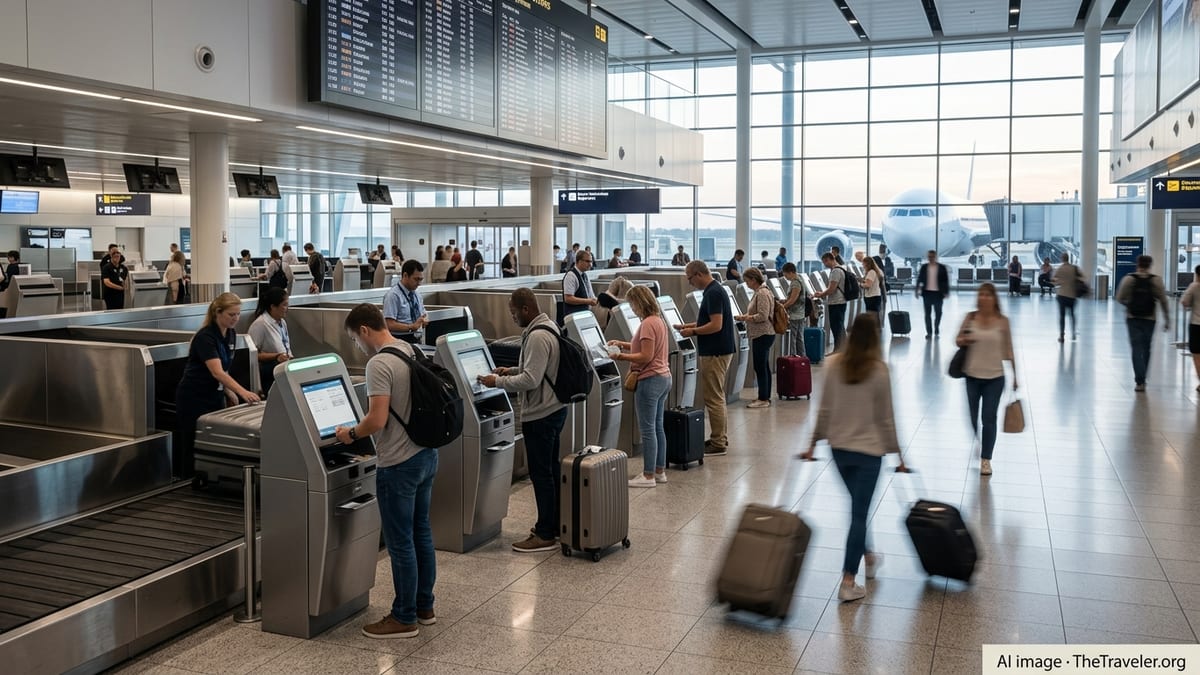
New screening rule set to take effect in October
According to publicly available regulatory information, the Civil Aviation Authority of Thailand (CAAT) has approved amendments to checked baggage screening procedures that will apply at Thai airports from 16 October 2026. The change focuses on how security teams handle luggage that is flagged during X ray screening or other automated checks.
Under the updated framework, if a checked bag triggers an alarm or appears to contain a prohibited item, airport security personnel will be permitted to open and inspect it even when the owner is not present. Current practice at many Thai airports often involves calling passengers back from boarding gates or departure lounges to unlock and open their luggage, a process that can lead to boarding delays and, in some cases, missed flights.
Reports indicate that the new approach is intended to align Thailand with international aviation security practices while easing congestion at major gateways such as Bangkok Suvarnabhumi and Don Mueang. Global experience shows that allowing remote inspections of flagged bags, subject to documentation and safeguarding rules, can help keep security lines flowing during peak hours.
How inspections will work for checked baggage
Available summaries of the policy indicate that the new system will apply only to checked luggage that has already been handed over at the airline counter and passed to airport security screening. If the bag is flagged, trained security staff will be able to open it in a secure area, remove or confiscate prohibited items where necessary, and reseal the bag for loading.
Publicly accessible information suggests that the inspection process is expected to be recorded and documented. After an inspection, a written notice will be placed inside the suitcase informing the traveler that their bag was opened for security reasons, alongside general details of any items removed. Externally, security labels or stickers may be applied to indicate that an additional check has taken place.
While many travelers assume that locked baggage cannot be opened without them, airport screening systems in a number of countries already permit security officers to unlock or otherwise access luggage where a threat is suspected. The Thai changes formalize these powers under CAAT’s oversight, setting out how inspections should be carried out and recorded at local airports.
Goal is to cut delays and strengthen security
CAAT’s recent safety reporting highlights a broader effort to modernize aviation oversight, raise security standards and improve airport efficiency across Thailand. These initiatives span everything from airside safety and foreign object debris management to tighter control of potentially hazardous items in baggage and cargo.
Missed flights caused by secondary baggage checks have become a recurring complaint among travelers using Thailand’s busiest terminals, particularly during holiday peaks. When passengers are called back to open a checked suitcase, airline staff must hold boarding or delay aircraft pushback, sometimes affecting onward connections. Allowing security teams to complete the process without the owner present is expected to reduce these disruptions.
At the same time, the new rules are framed as part of wider efforts to keep Thailand aligned with international aviation security benchmarks. Sophisticated X ray systems and threat detection tools are increasingly used worldwide to identify suspect items in checked luggage, and regulators in many jurisdictions have long allowed remote opening of bags as part of layered security controls.
Passenger concerns over privacy and pilferage
Early traveler reactions gathered from public discussion forums and social media show a mix of acceptance and concern. Some passengers note that similar practices already exist in other countries and see the change as a formal acknowledgment of what can happen behind the scenes when baggage is screened.
Others express unease about privacy and the risk of theft or tampering when bags are opened out of view. Commenters point to past anecdotes of missing items from checked luggage and raise questions about how inspections will be monitored to protect both passengers and staff from false accusations.
Travelers are also asking what will happen with locked bags and specialty luggage. In many airports worldwide, security teams use universal master keys for certain types of travel locks or, in rare cases, may damage a lock if an item appears to pose a serious safety risk. Publicly available commentary on the Thai rules indicates that any such actions would need to be documented, with clear notification placed in the bag after inspection.
What international travelers should expect
The practical impact of the new procedures is likely to be most noticeable at major international gateways and busy domestic transfer points. Long haul travelers connecting through Bangkok or other Thai airports may see fewer last minute passenger summons to baggage inspection rooms, but should also be prepared for the possibility that a checked suitcase could be opened without them present.
Travel experts generally recommend that valuable items such as electronics, jewelry, cash and important documents remain in carry on bags where possible. Perishable goods and tightly packed liquids, gels and aerosols are more likely to attract additional scrutiny in checked baggage and may be removed if they conflict with security or airline transport rules.
For visitors planning trips after mid October 2026, current guidance suggests keeping baggage contents simple, clearly separating electronics, tools and dense items that can appear ambiguous on X ray images. While the CAAT rule change is designed to minimize disruption for passengers, it also underlines the importance of complying with existing restrictions on hazardous materials and restricted items when flying to, from or within Thailand.