


First time visitors rarely come to Atlantic City looking for quiet moderation. The city sells a high voltage mix of casinos, concerts, beach time and boardwalk nostalgia, and it is very easy to let that current sweep you along. The biggest mistake newcomers make is not one single bad decision like choosing the wrong casino or walking the wrong block. It is arriving without a clear plan or budget and letting Atlantic City make the decisions for them. That lack of strategy is what quietly empties wallets, wastes precious hours and leaves many people going home vowing they will “do it differently next time.”
Get the latest updates straight to your inbox!
What the Real “Big Mistake” Looks Like
Ask regulars what first timers do wrong in Atlantic City and you will hear a list of symptoms: overpaying for a room because they forgot about resort fees, panic parking in the closest garage they see, wandering into any casino that looks bright and then chasing losses because they “came here to gamble.” Underneath all of those smaller missteps is one bigger problem. New visitors show up without deciding ahead of time what they actually want from the trip, or what they are truly willing to spend to get it.
The result is the same story told a hundred ways. A couple checks into an oceanfront name brand resort, only to discover at the front desk that the nightly rate does not include a resort fee that can be around 30 dollars plus tax, along with several state and local nightly surcharges. At check out, the final bill is hundreds more than they mentally budgeted, and that is before a single hand of blackjack or boardwalk cocktail. Another family drives in for a beach day, pulls into the first private lot by the Steel Pier and pays more than they needed to for parking, then spends an hour backtracking because they had no idea where anything was.
Atlantic City is not the most expensive beach town on the East Coast, but it is one of the easiest places to overspend by accident. Casino resorts, parking operators, restaurants and even small attractions all rely on spontaneous, unplanned spending. If you do not walk in with some structure, you slip into theirs. The good news is that a bit of homework and a simple plan transform the experience without turning your vacation into a spreadsheet.
How Unplanned Costs Snowball Fast
Most first timers focus on the headline room rate or a cheap midweek deal and miss everything in the fine print. Almost every major casino hotel in Atlantic City charges a mandatory nightly resort fee on top of the base rate, along with state occupancy and tourism fees and city surcharges. At a large boardwalk property like Hard Rock Hotel & Casino, for example, the resort fee alone is advertised at around the low 30 dollar range per night plus tax, separate from several state imposed nightly fees. That can easily add more than 50 dollars per night to a stay once all taxes and surcharges are factored in, even on a promotional room.
Parking is another common ambush. New visitors often assume boardwalk hotel garages will either be free for guests or priced like a typical mall garage. In reality, self parking at a major casino can run roughly 10 to 25 dollars per stay depending on status, day of week and how you book, and valet can be a bit more. Some casinos run specials where parking is around 5 dollars with a free players card, while independent surface lots a block or two back from the boardwalk may advertise all day or 8 hour parking for only a few dollars during slower times. Without checking these options first, it is easy to pay top rate simply because you followed the hotel signs instead of looking at a map.
Then there are the smaller but relentless add ons. Resort fees may include only basic Wi Fi and fitness room access, while pool use or spa passes cost extra per person at certain properties. Breakfast at an on site café can easily be 15 to 30 dollars per person once coffee and tax are added, and a couple of frozen drinks from a beach bar may cost the same as lunch for two off the boardwalk. No single charge is shocking, but together they can eat through several hundred dollars of an unplanned budget in a weekend, especially if you are also gambling on top.
Letting the Casino Design Your Night
Gambling is part of the appeal of Atlantic City, yet for many first time visitors it becomes the only activity they end up doing. The mistake is not playing a few slots or joining a low limit blackjack table. It is walking into a casino without a hard line on what you are willing to lose, and then filling every gap in your schedule with more gaming because you did not research anything else.
A typical scenario goes like this. You arrive on a Friday afternoon at a marina property like Borgata or a boardwalk giant such as Caesars, check in, drop bags and head down to “look around” the casino floor. Within an hour you have signed up for a players card, fed 40 dollars into a flashy slot, sat for “just a few minutes” at a roulette table and ordered your first comped drink. Suddenly it is 9 p.m., you have not seen the ocean, and your dining choice is whatever restaurant still has a bar seat available.
It gets worse when people start chasing losses. Maybe you lost your initial gambling budget quickly, but the music, free drinks and hope of a turnaround keep you there. Instead of leaving after you hit your limit, you visit the ATM in the lobby where withdrawals come with extra casino ATM fees on top of your bank fees. One or two impulsive trips to that ATM can quietly double the cost of your weekend. Regulars often arrive with a set cash bankroll for the entire trip and leave their debit cards in the room safe specifically to avoid this trap. First timers, caught up in the atmosphere, rarely do.
Overlooking the Beach, Boardwalk and Neighborhoods
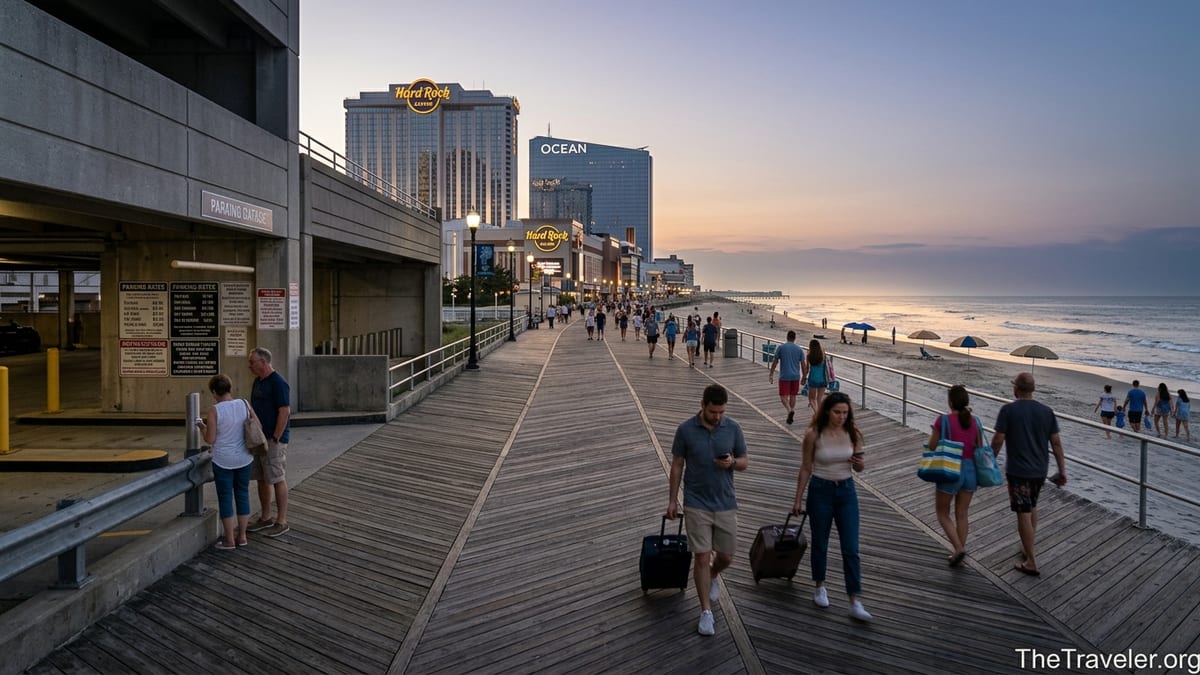
Another symptom of the “let the city decide for me” mistake is never leaving the casino except to grab a quick boardwalk snack. Atlantic City’s beach is free and open daily in season, with public restrooms and outdoor showers steps from the sand. The world famous boardwalk stretches for miles with attractions like Steel Pier, arcades, mini golf, saltwater taffy shops and rolling chairs that have been part of the city since the 19th century. Yet it is common to meet first time visitors who went home without dipping a toe in the ocean because they “ran out of time.”
Day trippers often misjudge distances and then give up. They park near the Caesars or Bally’s garages and assume the walk to Steel Pier by Resorts is short, not realizing it is roughly a mile each way. In mid summer heat, that can feel longer than it looks on the map, particularly with kids. Others want to see the quieter stretch down toward Ventnor but start too late in the afternoon and end up turning back in the dark. There are jitneys and ride share options that can help, but you need to know where you are aiming before you start walking.
Beyond the beach and boardwalk, first timers rarely make time for nearby neighborhoods and attractions such as the Gardner’s Basin area, the Atlantic City Aquarium redevelopment, or the scenic overlook at the Absecon Lighthouse. These spots will not appear on a casino property map or a slot machine display, but they reshape your picture of the city. Without a loose itinerary, it is too easy to say you will explore “tomorrow” and then find that check out time has arrived and you still have not seen daylight beyond the casino porte cochere.
Misunderstanding Safety and When to Be Cautious
Stories about Atlantic City’s rough edges spread easily online, and new visitors often land on one of two unhelpful extremes. Some assume everything is dangerous outside the casino walls and never step onto the boardwalk after dark. Others treat the entire city like the inside of a resort and wander wherever they like at 2 a.m. with their attention on their phone. Both approaches grow out of not doing specific homework about where the crowds, lighting and activity really are.
Local authorities remind visitors that the beach and boardwalk are patrolled, with specific hours for lifeguards in season and clear rules about public drinking, motorized vehicles and other behavior. At the same time, regulars will tell you that late at night some stretches get quieter, especially away from the bigger casinos, and can feel less comfortable, particularly for solo travelers. A smart approach is to treat Atlantic City the way you would any compact city that mixes tourist zones with residential blocks. Stay in well lit, busy areas, especially around the major resorts on the boardwalk and at the marina, use licensed taxis or rideshares at night, and avoid cutting through deserted side streets to save a few minutes.
For example, if you are leaving a concert at Jim Whelan Boardwalk Hall later in the evening, it is usually better to head directly to the official garage or a main entrance of a nearby casino than to wander inland looking for a cheaper lot. If you are moving between boardwalk casinos after midnight, many visitors simply walk on the boards where other guests and security staff are present or use rideshare for longer hops instead of walking alone down Pacific Avenue. None of this means the city is off limits after dark. It means that a small amount of pre planning allows you to enjoy the nightlife while still making conservative choices with your routes and valuables.
Time Traps: Parking, Check In and Events
The biggest non financial complaint that first timers share is how much time they spend waiting in lines or sitting in traffic because they did not check the basics. Atlantic City draws not only weekend gamblers, but also major conventions, boxing matches, festivals and concerts at Boardwalk Hall and the casino arenas. When a big event is on, parking garages fill early, streets near the venue clog and checkout lines can snake across a lobby. If you happen to arrive the same Friday afternoon that a sold out concert is starting at Hard Rock or a cheerleading competition is taking over Boardwalk Hall, your simple check in can turn into a 90 minute crawl from the expressway to the valet stand.
Parking illustrates this perfectly. The city and tourism board publish maps that show large public garages such as the Wave parking garage, where weekday daytime parking is often advertised at a few dollars for up to several hours, with an easy walk or jitney ride to the boardwalk. Independent surface lots like A&K near the central boardwalk area have been known to post simple flat day rates in the single digits during summer weekdays, with an attendant on duty during peak times and pay stations otherwise. Meanwhile, casinos may be charging higher flat fees on the same day if a big headliner is in town.
Check in timing also matters more than first timers realize. Some casino hotels quietly allow complimentary check in after midday when rooms are ready, while others charge an early check in fee until mid afternoon. Lines are often longest mid to late afternoon on Fridays and again late morning on Sundays. Guests who use online check in systems where available, or who simply arrive slightly off peak, spend less of their vacation in queues and more by the water. Planning your drive so that you hit town before the main surge, or much later in the evening, can make the difference between a smooth arrival and feeling like you wasted half a day in your car.
How to Visit Atlantic City Like a Regular
Avoiding the core mistake of letting Atlantic City plan you does not require military level scheduling. It means making a few decisions in advance about money, time and priorities and then sticking to them within reason. Start with a realistic total budget for the trip that includes lodging, dining, transportation, entertainment and gambling. From that, decide on a fixed daily gambling amount that you are genuinely comfortable losing. Bring that amount in cash for each day, leave your cards in the room safe when you head to the casino floor, and stop for the day when the envelope is empty, even if you hit that point early.
Next, look at the full cost of your hotel choice, not just the base rate. Before you book, search for current resort fee and parking information for any property you are considering. Consider whether a slightly higher headline room rate at a property with cheaper parking or lower fees actually works out better than a lower room rate with heavy add ons. If you are a member of a casino loyalty program, check whether your tier waives resort fees or parking. Some chains extend their Las Vegas style benefits to Atlantic City, which can significantly reduce your bill if you qualify.
Finally, sketch a simple itinerary built around more than the casino floor. Choose one or two boardwalk or beach experiences you do not want to miss, such as riding the Ferris wheel at Steel Pier, walking the quieter southern boards toward Ventnor, or visiting a landmark like the Absecon Lighthouse. Add one off property meal at a neighborhood spot or a marina restaurant to get a break from casino pricing and scenery. Leave open windows for gambling and people watching, but do not let those flexible hours eat the experiences you came for.
The Takeaway
The biggest mistake first time visitors make in Atlantic City is not a single bad bet or one overpriced meal. It is stepping into a city built around impulse spending and high energy distractions without first deciding how you want to spend your own time and money. That is how resort fees feel like surprises instead of clearly disclosed costs, how a simple drive in becomes an afternoon of parking frustration, and how a weekend at the shore ends with the realization that you barely saw the ocean.
With a modest amount of research and a few firm decisions before you arrive, Atlantic City becomes far more rewarding. You know in advance what your room will really cost, where you plan to park, how much you are willing to gamble and which parts of the boardwalk and beach you want to experience. You move through casinos and attractions on your own terms instead of being steered by whatever sign or slot machine happens to be in front of you. That simple shift from reacting to planning is what separates the visitors who leave town vowing never to return from those who start looking at the calendar for their next trip.
FAQ
Q1. Are resort fees in Atlantic City optional if I do not use the amenities?
In most casino hotels, resort fees are mandatory for every occupied room night, whether or not you use the included amenities. They are added to the base room rate along with state and local surcharges, so always factor them into your total cost before booking.
Q2. How much should I budget for parking on a typical weekend visit?
Expect to pay roughly 10 to 25 dollars per stay at major casino garages, depending on day and status, while independent surface lots or public garages can be cheaper, sometimes under 10 dollars on off peak days. Check current prices and event schedules before you arrive.
Q3. Is the Atlantic City boardwalk safe to walk at night?
The central boardwalk around the major casinos is generally busy and patrolled, especially in summer, but like any small city you should stay in well lit, populated areas, avoid deserted stretches late at night and use taxis or rideshares if you feel uncomfortable or are covering a longer distance.
Q4. Do I need a car to enjoy Atlantic City?
A car is helpful if you are staying off the boardwalk or want to explore nearby towns, but many visitors arrive by bus or train and get around using the boardwalk, jitneys, taxis and rideshares. If you stay in a boardwalk or marina hotel, you can easily spend most of your trip without driving once you have parked.
Q5. How can I avoid overspending on gambling during my first visit?
Set a fixed gambling budget for the entire trip, divide it by the number of days you are in town, bring only that day’s amount in cash to the casino floor and leave your cards locked in the room safe. Once you reach that limit, switch to free or low cost activities like walking the boardwalk or enjoying the beach.
Q6. When is the best time to arrive to avoid traffic and long check in lines?
Arriving earlier on Friday, late in the evening, or on a midweek day usually means lighter traffic and shorter lines than mid afternoon on weekends or when major events are scheduled. Using online check in where available can also reduce lobby waits.
Q7. Are Atlantic City beaches really free to use?
Yes, Atlantic City’s beaches do not require badges and are free to access, although you may pay for parking, chair and umbrella rentals or nearby amenities. In season, lifeguards cover designated hours and there are public restrooms and outdoor showers near the boardwalk.
Q8. Can I visit Atlantic City on a tight budget and still have fun?
It is possible if you plan carefully. Choose midweek dates, compare total hotel costs including resort fees, look for cheaper public or independent parking, set a small gambling budget or skip gambling entirely, and focus on free or low cost activities like the beach, window shopping on the boardwalk and exploring local neighborhoods.
Q9. Should I stay on the boardwalk or at a marina casino for my first trip?
Boardwalk properties put you steps from the ocean, piers and classic attractions, which many first timers prefer. Marina casinos are a short drive or shuttle ride away and can feel more self contained. The right choice depends on whether you value easy beach and boardwalk access more than staying in a concentrated resort complex.
Q10. What is the single most important thing to decide before I go?
Decide on your total trip budget and what you most want out of the visit, whether that is gambling, shows, beach time, dining or a mix. Once you are clear on your priorities and limits, you can choose a hotel, parking plan and daily schedule that support those goals instead of being steered by impulse once you arrive.