


More news on this day
As European summers set new temperature records, a growing number of travelers are swapping scorching beaches for high-altitude trails and breezy bike routes, with Switzerland and several other European nations emerging as the continent’s standout “coolcation” destinations for hiking and cycling holidays.
Get the latest news straight to your inbox!
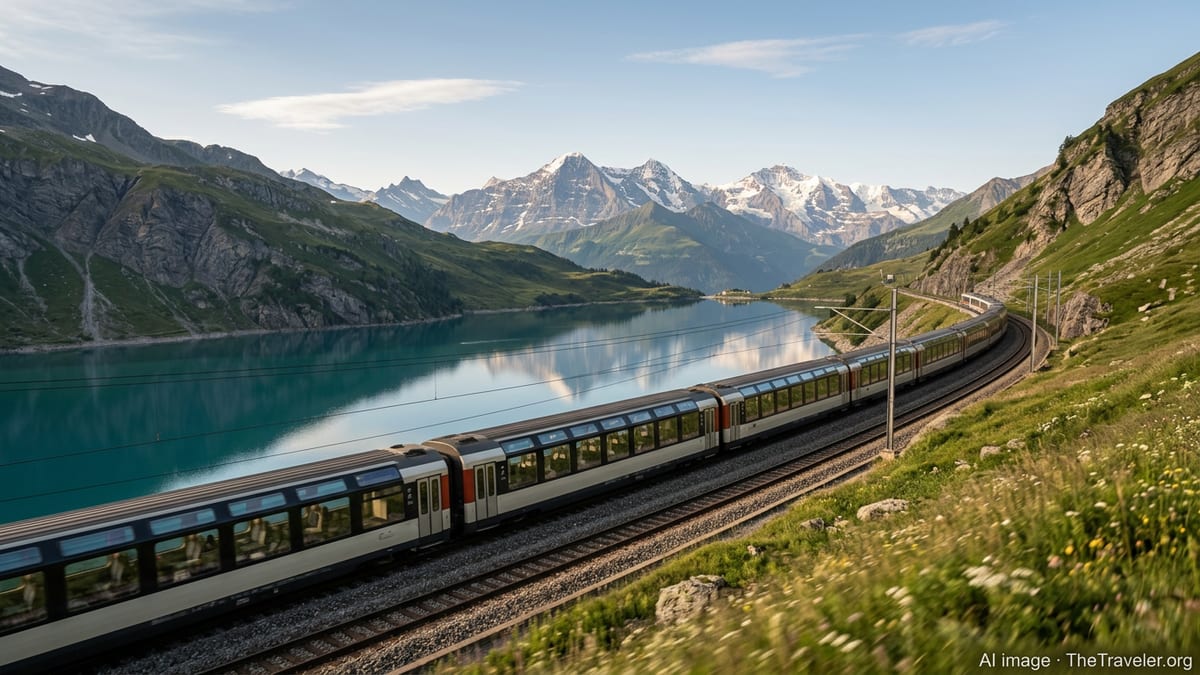
Coolcation Trend Pushes Active Travelers North and Higher
Recent climate assessments for Europe show that 2024 was the warmest year on record for the continent, reinforcing a shift in travel behavior toward milder regions and higher elevations. Publicly available climate summaries indicate that repeated summer heatwaves and prolonged hot spells are making traditional sun destinations less comfortable for long days outdoors.
Reports from travel and tourism analysts describe a sharp rise in demand for trips that combine lower temperatures with outdoor activities, particularly hiking and cycling. Rather than abandoning summer holidays altogether, many visitors are recalibrating their plans toward places where daytime highs stay manageable on the trail or in the saddle.
This shift has helped popularize the term “coolcation,” used to describe breaks in cooler climates or mountain regions during peak summer. Coverage in European travel media notes especially strong interest in northern Europe and Alpine countries, where forests, lakes and altitude can keep conditions several degrees lower than coastal plains or big cities to the south.
Within this trend, Switzerland is frequently highlighted as a leading option, offering both natural cooling from its high-altitude landscapes and an extensive network of marked routes designed for hikers and cyclists of varying abilities.
Switzerland Tops Lists for Mountain Trails and Bike Networks
Switzerland’s mix of glacier-fed valleys, shaded forests and high passes has long appealed to outdoor enthusiasts, but the coolcation trend is bringing additional attention to the country’s hiking and cycling infrastructure. Tourism research shared by the national tourism organization indicates that hiking and exploring mountain areas remain among the most popular summer activities across age groups, closely followed by cycling in its various forms.
The country has invested over decades in waymarked hiking paths, interconnected regional walking routes and long-distance treks that link cantons and valleys. These routes are supported by mountain railways, cable cars and lake ferries, which allow travelers to adjust altitude, shorten demanding stages or reach cooler, breezier starting points without a car.
On two wheels, Switzerland is equally prominent. The nationwide cycle network includes signposted long-distance routes such as lakes circuits, Alpine crossings and river valley paths suited to touring and e-biking. International sport rankings for cycling consistently place Swiss athletes and teams among Europe’s leaders, reinforcing the country’s image as a serious destination for road cycling and mountain biking alike.
From the perspective of coolcation seekers, the practical advantage lies in the range of climate zones available within relatively short travel times. Visitors can start a ride along a temperate lake in the morning, climb into cooler alpine meadows by midday and descend to shaded forests or high plateaus in the late afternoon, all while staying within the same region.
Nordic and Alpine Neighbors Climb the Coolcation Charts
Switzerland’s prominence is matched by growing interest in other European countries that offer lower summer temperatures and extensive outdoor access. Travel trend reports point to Nordic destinations including Sweden and Norway, where coastal breezes, forests and archipelagos help moderate heat and provide scenic settings for hiking and cycling.
Sweden, for example, has been promoting long-distance hiking routes and newly linked island trails around Stockholm, while coastal and inland cycling paths attract both bikepackers and casual riders seeking extended daylight and milder conditions. Norway’s fjord regions and mountain plateaus similarly appeal to visitors who prefer steep climbs and cooler evenings to intense midday heat.
Within central Europe, Austria and Slovenia continue to gain visibility as alternatives to more crowded southern resorts. Their alpine and pre-alpine regions offer extensive marked walking paths, river trails and cross-border cycling routes that connect valleys and national parks. Rail networks and bike-carrying services support multi-day journeys that combine city stays with highland excursions.
In western and northern Europe, destinations such as Germany’s higher-elevation regions and coastal areas in countries bordering the North and Baltic Seas are also appearing more frequently in coolcation recommendations. Here, cycling is often the primary attraction, from multi-day river routes to family-friendly coastal paths where breezes and shaded segments help keep temperatures comfortable.
Cycling Capitals and High-Altitude Hiking Corridors Stand Out
Several European nations already renowned for cycling are benefiting directly from the coolcation movement. The Netherlands, Belgium and Denmark continue to be cited as benchmarks for everyday cycling infrastructure, and their temperate maritime climates can be more appealing during peak summer compared with inland heat hotspots further south.
For holidaymakers, however, the combination of climate and terrain is crucial. Mountain regions in Switzerland and Austria, hillier sections of Germany and Slovenia, and increasingly popular routes in the Scottish Highlands or Scandinavia provide both natural cooling and topographical variety. Publicly available tourism and climate analyses suggest that these factors are becoming important in destination choice for active travelers planning longer hiking and cycling trips.
Cross-border routes contribute to this appeal. Well-known itineraries now allow hikers and riders to move between countries while generally staying in cooler belts of elevation or latitude, following river valleys, alpine corridors and forested uplands. This cross-border connectivity is viewed in industry commentary as an advantage for Europe as a whole, enabling itineraries that respond flexibly to weather forecasts and heat alerts.
At the same time, destinations in southern Europe with strong cycling traditions, including Spain and Italy, are working to adjust seasonality, promoting shoulder-season trips in spring and autumn when temperatures better suit long days outdoors. This seasonal rebalancing may further strengthen the position of cooler central and northern regions during the peak of summer.
Climate Adaptation, Sustainability and the Future of Coolcations
Policy-focused tourism studies released in 2025 and 2026 describe coolcations as one element of a broader adaptation to extreme weather across the sector. These analyses note that activities such as hiking and cycling are particularly sensitive to prolonged heat, and that destinations with cooler microclimates, reliable water resources and shaded trail networks may have a structural advantage in future summers.
Switzerland and several of its European peers are positioning their outdoor offer within a sustainability narrative, emphasizing public transport access to trailheads, support for low-impact travel and the preservation of alpine and forest ecosystems. This approach aligns with the preferences of many active travelers, who increasingly look for destinations that balance accessibility with environmental responsibility.
Experts contributing to recent climate and tourism reports also highlight potential pressures. Rising visitor numbers in cooler hotspots could strain fragile mountain environments, popular lakeshores and narrow valley communities during peak weeks. Destination managers are therefore weighing measures such as visitor dispersal to lesser-known areas, timed access to iconic routes and ongoing investment in safe, well-maintained paths.
For now, the available evidence suggests that coolcations are moving from niche concept to mainstream consideration in European trip planning. With Switzerland, the Nordic countries and several central European neighbors offering a mix of temperate climates, dramatic landscapes and dense hiking and cycling networks, the continent’s map of preferred summer escapes is being quietly redrawn at higher altitudes and higher latitudes.