


More news on this day
Across major resorts, cruise lines and entertainment complexes, a new kind of holiday getaway is rapidly gaining momentum, combining theme-park scale, cruise-style convenience and immersive storytelling to create seasonal experiences that are larger, brighter and more elaborate than many travelers expect.
Get the latest news straight to your inbox!
From Traditional Getaways to Immersive Holiday Worlds
Recent holiday seasons have shown a clear shift in how travelers want to celebrate, with demand rising for destinations that transform entire properties into story-driven winter worlds. Instead of simply adding decorations or a festive menu, leading resorts and attractions are investing in large-scale light shows, themed environments and interactive experiences that turn a few days away into an all-encompassing event.
Industry trend reports indicate that experiential travel continues to outperform more traditional break-and-relax holidays, particularly among families and multi-generational groups. Travelers are seeking what analysts describe as “dopamine hit” experiences, where visual spectacle, shared activities and social-media-ready backdrops are central to the stay. This is particularly visible during the November-to-January peak, when destinations compete to offer “the biggest holiday event yet.”
Major brands across hospitality, cruise and theme parks are positioning these seasonal programs as headline reasons to book. Holiday packages increasingly highlight immersive installations, character-led programming and grand finales such as synchronized light shows or nighttime spectaculars, signaling that the holiday experience itself, rather than location alone, is becoming the primary draw.
For destinations, the strategy serves a dual purpose. It captures seasonal demand at a premium price point while encouraging guests to stay longer on-site, taking part in bundled activities and add-on experiences. For travelers, it promises a dense itinerary of entertainment without the complexity of planning multiple separate attractions.
Resorts Turn Entire Campuses Into Christmas Destinations
Large resort complexes are at the forefront of this trend, reimagining their entire footprint around holiday storytelling. In Orlando, for example, luxury properties located near major theme parks are promoting extensive on-property programming that includes illuminated palm-lined pathways, multi-acre water parks operating in the cooler months, seasonal spa offerings and curated family activities. Marketing materials emphasize that guests can spend days within the resort’s grounds while still easily accessing nearby attractions.
Elsewhere in the United States, resort groups have developed their own headline holiday franchises. Gaylord Hotels’ long-running Christmas program, built around walk-through attractions carved from thousands of pounds of ice, has expanded across multiple properties with new themes and storylines. Recent announcements highlight partnerships with globally recognized film and literary franchises, underscoring how closely these winter events now mirror the scale and ambition of theme park experiences.
Resort-driven light festivals are also growing more elaborate. At large integrated properties, choreographed shows using millions of LED lights, towering themed trees, and immersive tunnels or “cathedrals” of light are turning hotel facades and outdoor promenades into extended entertainment spaces. Programming typically runs for several weeks, encouraging repeat local visits as well as destination travel from out-of-state guests.
These developments reflect a broader move toward “resort as attraction,” where the holiday experience is not a peripheral add-on but the core product. For travelers, that often means a single booking delivers accommodation, entertainment, dining and seasonal activities at one address, reducing logistical friction while offering an intensity of experience that rivals dedicated theme parks.
Cruise Lines Build Floating Holiday Theme Parks
On the water, cruise lines are scaling up holiday offerings to match growing demand. Industry forecasts for 2026 anticipate record participation in ocean cruising, with tens of millions of travelers projected to sail globally and strong growth reported even amid broader economic uncertainty. Analysts note that value-conscious families see cruises as a convenient way to bundle transportation, lodging, dining and entertainment, especially over peak holiday periods.
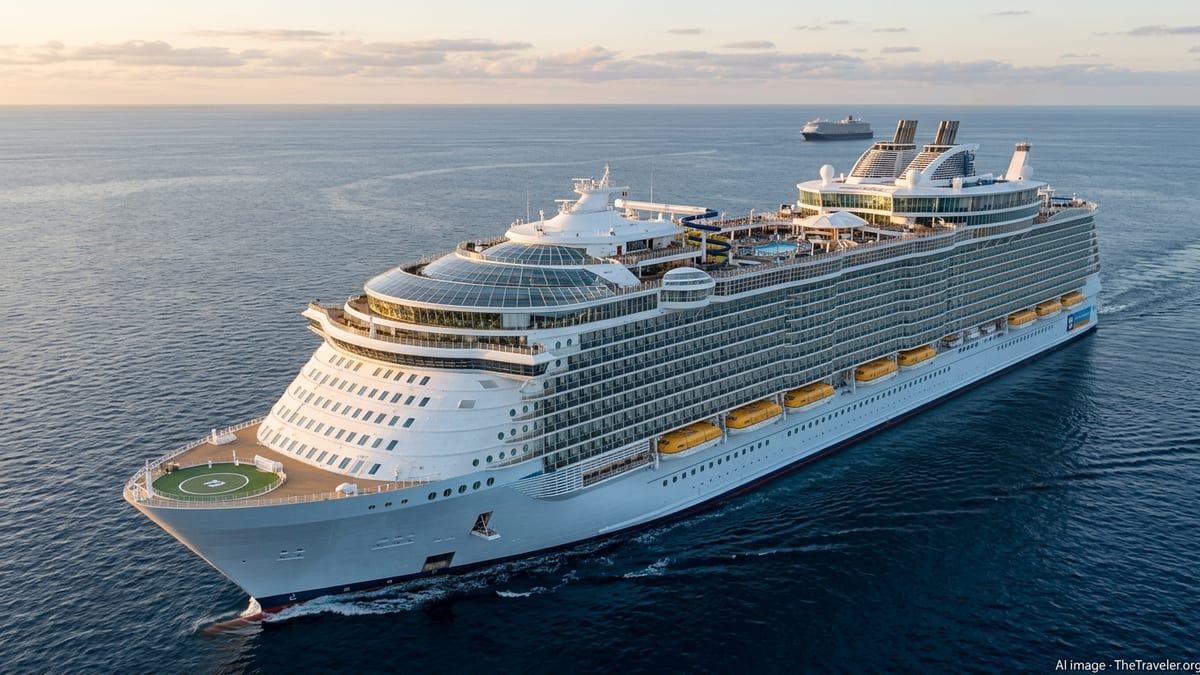
Larger vessels and new-build “mega-ships” are central to this expansion. Onboard, holiday programming now routinely includes themed parades, seasonal décor across multiple decks, special menus and dedicated entertainment such as festive theater shows or winter-inspired poolside events. Cruise lines are positioning these itineraries as stress-free alternatives to organizing large family gatherings at home, with staff-managed celebrations and activities for every age group.
Private islands and purpose-built marine destinations are becoming stages for some of the most ambitious holiday spectacles. Recent coverage highlights developments in the Bahamas and Caribbean, where cruise operators have invested in extensive shoreside attractions including multi-zone beach clubs, large-scale trees and décor, and seasonal staging in central plazas. These environments are designed to feel like self-contained holiday villages, accessible only to guests on the line’s ships.
The combination of at-sea programming and exclusive island experiences is helping cruise holidays compete directly with land-based resorts. For multi-generational groups, the appeal lies in the ability to keep everyone within walking distance, from grandparents relaxing in lounges to children exploring water parks and activity zones geared toward the festive season.
Theme Parks and Entertainment Brands Race to Outdo Themselves
Major theme parks are intensifying their own holiday strategies, adding seasonal overlays to rides, nighttime shows and entire park areas. In Central Florida, destinations that already attract millions of visitors annually are layering on dedicated Christmas events with extended operating hours, specialized entertainment and exclusive ticketed parties. Promotional materials frequently emphasize record numbers of lights, larger-than-ever projection shows and returning fan-favorite parades.
Regional parks are following a similar path. Seasonal events branded around winter holidays now feature reimagined entertainment lineups, expanded light displays and curated food festivals that transform summer-focused parks into cold-weather destinations. For some properties, these winter programs have become core pillars of the annual calendar, bridging the gap between the traditional fall and spring attendance peaks.
New ride technology and immersive environments are also feeding into holiday offerings. Destination marketing organizations highlight forthcoming attractions that employ advanced projection, interactive elements and narrative-driven queues, many of which can be easily adapted for seasonal overlays. As these experiences roll out, holiday programs gain additional tools to build limited-time versions that encourage repeat visits from local and out-of-state guests alike.
The result is an increasingly competitive landscape where major entertainment brands seek to capture social attention each season with “bigger than ever” announcements. That dynamic drives continual innovation in décor, entertainment design and guest engagement, reshaping traveler expectations about what a holiday visit to a theme park should include.
Why These Mega-Holiday Experiences Are Resonating With Travelers
Analysts point to several reasons why these large-scale holiday experiences are gaining traction. First, they align tightly with the desire for shared, photogenic moments, particularly among younger travelers and families seeking visually striking backdrops for social media. Multi-sensory environments, towering décor and interactive elements make it easy to create and share content, amplifying word-of-mouth exposure.
Second, the all-in-one nature of these offerings addresses a practical concern for many guests: planning fatigue. Whether at a mega-resort, on a cruise ship or inside a theme park complex, itineraries can be largely pre-packaged, with dining, entertainment and seasonal activities mapped out in advance. That simplifies logistics for group organizers and reduces decision stress once on-site.
Third, the experiences are designed to appeal across generations. Reports on travel behavior show continued growth in multi-generational trips, where grandparents, parents and children vacation together. Big holiday events offer parallel tracks of enjoyment, from high-thrill rides or water slides to relaxed lounges and family-friendly shows, ensuring that each member of the group can tailor their day without straying far from the rest.
Finally, the scale and theatricality of these celebrations tap into a sense of escapism that many travelers seek during the holiday period. With synchronized light spectacles, story-driven attractions and fully themed environments, these destinations promise a temporary world apart from day-to-day routines, helping explain why the holiday experience everyone is talking about often turns out to be even bigger than initially imagined.