


More news on this day
Thick fog is forecast to settle across London and large parts of England from Sunday evening into Monday morning, with a yellow weather warning raising the risk of slower journeys and potential disruption for travellers in and out of the capital.
Get the latest news straight to your inbox!
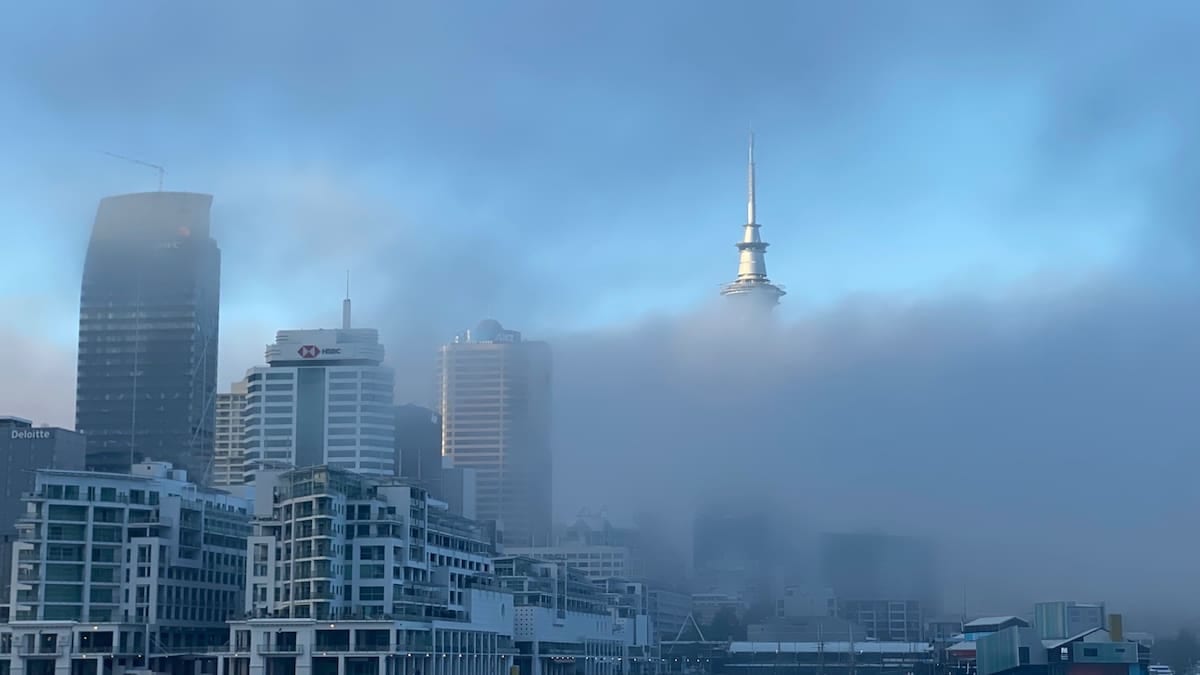
Yellow fog warning spans London and key English regions
The latest guidance from national forecasters indicates that a yellow warning for fog is in force from 18:00 on Sunday 8 November until 11:00 on Monday 9 November, covering London and South East England along with swathes of the Midlands, eastern England, north west and south west England, Wales and Yorkshire and the Humber. Publicly available information describes the fog as locally dense, with visibility in the worst-affected patches expected to fall below 100 metres.
The warning, issued on Sunday morning, highlights the possibility of widespread areas of fog developing during the evening and overnight, persisting into the Monday morning commute. Forecast maps show the London area firmly within the zone of concern, suggesting that both inner boroughs and outer commuter belts are likely to wake to significantly reduced visibility.
A yellow alert represents a combination of moderate potential impact and a likelihood assessed in the middle of the forecasters’ risk scale. While this colour is the lowest of the three used in the national severe weather system, recent guidance stresses that even yellow fog warnings are issued when travel disruption is a realistic prospect and extra care on the transport network is advised.
Road users urged to allow extra time as visibility drops
For motorists in London and the surrounding counties, the main hazard will be sudden changes in visibility along key routes. Official advice linked to the current warning notes the potential for “fog, dense in places” and urges drivers to expect slower journey times, as stretches of clear road can give way quickly to very limited sightlines, especially on higher-speed sections of the M25, M4, M3 and A1 corridors.
Guidance from national resilience material on severe weather explains that thick fog significantly increases stopping distances and can make it harder to judge the speed and distance of other vehicles. Drivers are encouraged to check their lights before setting off, know how to use front and rear fog lamps correctly, and avoid relying on full beam, which can reflect off fog and further reduce visibility.
Local travel reporting platforms also point out that congestion often builds earlier than usual on mornings following widespread fog, as commuters reduce speed and public transport services run more cautiously. Travellers heading into central London by car are being advised to consider park and ride options or rail connections where possible to avoid dense traffic in low-visibility conditions.
Air and rail passengers warned to check for delays
The national fog warning explicitly flags a chance of delays or cancellations to flights, with London’s major airports particularly exposed. Heathrow and London City are known to be sensitive to low cloud and fog, with past transport reviews noting that just a handful of dense-fog days each winter can trigger extensive knock-on disruption across airline schedules.
According to public summaries of previous incidents, fog can reduce the rate at which aircraft can take off and land, forcing airports to introduce flow restrictions. When this happens, airlines may consolidate services, hold aircraft on the ground or divert arrivals to other airports until visibility improves. Travellers booked on early-morning departures on Monday are therefore being urged by airlines and airport operators, via their usual communications channels, to monitor flight status before leaving for the airport.
National rail and London’s suburban operators are also listed among those potentially affected. The warning material notes that slower journey times with delays to bus and train services are possible, as signalling sightlines, platform approaches and level crossings all require additional caution in dense fog. Passengers planning early departures from major hubs such as London Paddington, Euston, King’s Cross, Waterloo and Liverpool Street may wish to allow additional time for their journeys and check operator updates on the morning of travel.
Tourists and weekend visitors advised to adjust plans
The timing of the warning, spanning Sunday evening leisure travel and the Monday rush hour, has particular implications for visitors returning from weekend stays in the capital. Travel-focused monitoring sites summarising the alert underline that slower road conditions are likely on routes serving London’s main visitor districts and onward connections to airports and regional cities.
Fog can also affect visibility from London’s landmark viewpoints, including riverside promenades and high-level attractions, which may find themselves enveloped in cloud for periods overnight and into early Monday. While such conditions can create atmospheric scenes along the Thames and in historic neighbourhoods, tourism advisers typically recommend that visitors prioritise indoor attractions or flexible tickets when dense fog is forecast.
Hotel concierges and travel agents are expected to lean on publicly available guidance, encouraging guests with onward transport connections to confirm departure times and build in contingency for urban traffic and potential hold-ups on orbital roads. For those with the option to adjust plans, bringing forward Sunday evening departures or shifting non-essential Monday morning trips to later in the day may reduce the risk of delays.
What travellers can do as conditions evolve
Forecasters emphasise that severe weather warnings are dynamic, with the latest London-area fog alert described in official text as subject to change as new data becomes available. The current advice is for travellers to stay up to date with regional forecasts through national weather channels and to review warning summaries on Sunday night and again on Monday morning.
Community resilience information produced by the national weather service highlights several practical steps for dealing with fog: planning journeys in advance, allowing extra time, and being prepared for changes to normal timetables, especially on long-distance rail and coach services. For those driving, carrying basic supplies such as water, warm clothing and a charged mobile phone remains a standard recommendation during any period of potentially disruptive weather.
With London and a large portion of England under the latest yellow fog warning, the overall message for travellers is to take the conditions seriously without assuming that disruption is guaranteed. By checking routes before departure, monitoring airline and rail updates, and remaining flexible where possible, visitors and residents alike can reduce the impact of what is expected to be a thick blanket of fog across the capital and beyond.