


More news on this day
Thick autumn fog is casting uncertainty over Remembrance Sunday travel across parts of the UK today, with a Met Office yellow weather warning in place for large areas of England and Wales and transport operators cautioning of slower journeys to morning services.
Get the latest news straight to your inbox!
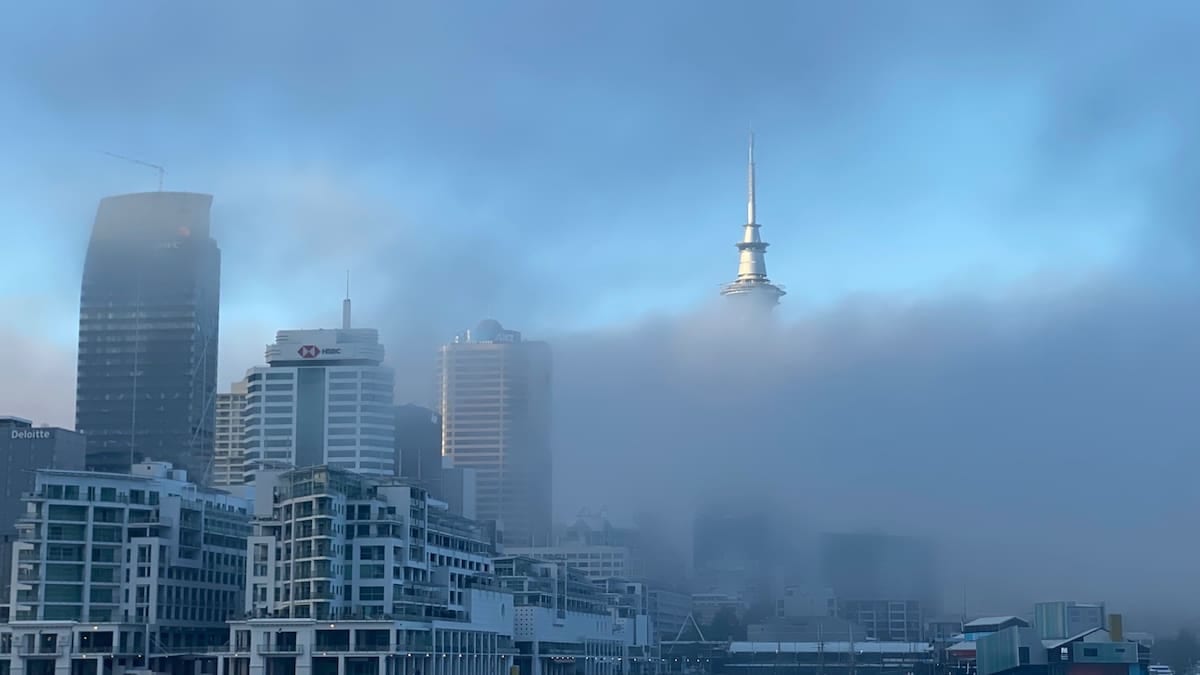
Yellow fog alert coincides with national commemorations
Publicly available information from the Met Office shows a yellow weather warning for fog covering much of central and southern England, along with parts of north west and north east England and sections of north east Wales, during the key early hours of Sunday 8 November 2026. The alert window runs through the morning, overlapping with the traditional 11 a.m. observances that mark Remembrance Sunday across the country.
The warning highlights the risk of slower journey times and reduced visibility on roads, as well as the potential for delays to bus and rail services and possible disruption to flights. Forecasts indicate that visibility in the worst affected pockets could drop to around 50 metres or less, particularly in river valleys and low-lying areas where cold air tends to pool.
Coverage from UK broadcasters and newspapers notes that London, much of the South East, the Midlands and stretches of northern England feature within the warning area, along with parts of north east Wales including Wrexham and Flintshire. Some coastal and higher routes are expected to see more patchy conditions, but organisers of outdoor events are being urged via public channels to keep a close eye on local forecasts as the morning progresses.
The fog risk follows several days of high pressure anchored over the UK, a pattern that has encouraged light winds, clear nights and repeated episodes of dense, slow-clearing fog. Met Office outlook summaries suggest that while conditions should gradually improve later in the day, the combination of widespread early travel and reduced visibility is likely to create a challenging backdrop for many making their way to memorials.
Road users advised to prepare for very poor visibility
Road travel is expected to bear the brunt of the weather-related disruption. Met Office travel advice for fog, produced in association with National Highways, emphasises that drivers should check the latest conditions before setting out, allow extra time for journeys and be prepared to amend plans if visibility deteriorates. The guidance notes that dense fog can develop quickly along some stretches of road even where nearby locations remain clearer.
National Highways safety pages describe fog as a major travel hazard and urge motorists to make sure headlights and fog lights are working properly before departure. The information stresses the importance of using dipped headlights, avoiding high beams that can reflect back from the fog, and maintaining greater distances from the vehicle in front to compensate for slower reaction times when hazards emerge late in view.
Community resilience information linked from the Met Office further explains that weather warnings are based not only on the likelihood of fog, but also on its potential impact on everyday activities such as commuting or attending events. A yellow warning represents a high likelihood of moderate impacts, and road users are encouraged to monitor updates through the day in case warning areas are adjusted as the fog evolves.
For those driving to major services in cities such as London, Birmingham, Manchester and Cardiff, publicly available advice also recommends considering public transport where practical, checking for any last minute changes to road closures around cenotaphs and memorials, and allowing for slower approaches on local streets where pedestrians and ceremonial parades may share constrained space with traffic.
Rail and air passengers face risk of early morning delays
The same reduced visibility that complicates road travel can also affect signalling, train movements and airport operations. Published coverage from national outlets indicates that train operators are warning of the possibility of slower speeds on some routes within the fog zone, particularly across parts of the Midlands, southern England and corridors linking into London. Lower speeds can have knock-on effects across the network during the busy Sunday morning period.
On the aviation side, the Met Office warning notes a chance of delays or cancellations to flights where visibility drops below critical thresholds for take-off and landing. Major airports in southern and central England, including hubs around London, sit close to or within the warning area, raising the possibility of disruption for passengers connecting into domestic and short-haul European services.
Officials at individual transport companies are issuing their own operational updates, but general travel advice compiled from public sources encourages passengers to check live departure boards before leaving home, build in extra time for security and boarding, and be prepared for schedule changes at short notice. For those flying in to attend remembrance events, flexible onward plans and awareness of alternative routes by rail or coach are being recommended.
Ferry operations around the English Channel and Irish Sea are less directly affected by the current inland fog signal, although reduced visibility around some estuaries and ports cannot be ruled out. Travel pages from operators and port authorities stress that passengers should still verify sailing times and any weather-related advisories on the morning of travel.
Impact on services, parades and local ceremonies
Remembrance Sunday, observed on the second Sunday of November, is marked by a national service at the Cenotaph in central London alongside thousands of local ceremonies and parades across the UK. With this year’s commemorations falling on 8 November, the yellow fog warning is intersecting precisely with the hours when many participants are on the move to reach 11 a.m. silences and wreath-laying.
Local authorities, veterans’ organisations and faith communities have been sharing transport and access information through public channels in recent days, including reminders about adjusted road layouts, parking restrictions and temporary closures around key memorial sites. The added complication of fog means that attendees are being urged via community notices to set out earlier than usual where possible and to plan for slower last-mile travel on foot or by public transport.
Media reports suggest that some parades may shorten marching routes or adjust timings slightly if conditions remain very poor, particularly in smaller towns where visibility on narrow roads could present extra challenges. However, there has been no widespread indication in public information of major services being cancelled, with organisers instead focusing on practical steps to keep movement safe and steady.
In city centres, reduced visibility can make it harder for drivers to navigate unfamiliar diversions and temporary signage linked to remembrance road closures. Travel planners are advising through openly available guidance that those not attending services may wish to avoid driving into central areas covered by both the fog warning and ceremonial restrictions, in order to ease congestion and reduce the risk of minor collisions in slow-moving traffic.
What travellers can do in the hours ahead
With the fog expected to thin gradually as Sunday progresses, particularly after late morning, travel experts and weather services are emphasising preparation rather than panic. Motorists are encouraged through national guidance to carry warm clothing, a charged mobile phone and basic supplies in case of unplanned delays, and to keep windscreens and mirrors clear of condensation and ice that can further cut visibility.
Publicly available safety advice also underlines the importance of keeping a close watch on variable message signs, local radio travel bulletins and journey planner tools, which can flag incidents such as multi-vehicle collisions or temporary closures that sometimes coincide with episodes of dense fog. Where conditions look especially poor, delaying departure by an hour or two until visibility improves may significantly reduce journey stress for those with flexibility.
For rail and air passengers, monitoring operator apps and announcement channels on the morning of travel will be key, as will awareness of refund and rebooking policies that may apply if services are significantly disrupted by weather. Travellers heading to major remembrance events are being encouraged via public messaging to build in time for security screening, ceremonial rehearsals and crowd management measures that can lengthen entry times even in normal conditions.
While the yellow fog warning currently points to moderate rather than extreme impacts, the coincidence with one of the UK’s most widely observed civic occasions means any delays are likely to be particularly visible. For many, a slightly earlier alarm, a slower drive and a little extra patience may be the price of ensuring that national and local acts of remembrance proceed safely despite the autumn mist.