


More news on this day
Dense fog across much of England and parts of Wales is threatening to disrupt Remembrance Sunday travel plans today, as a Met Office yellow warning coincides with road closures and ceremonial events on 8 November 2026.
Get the latest news straight to your inbox!
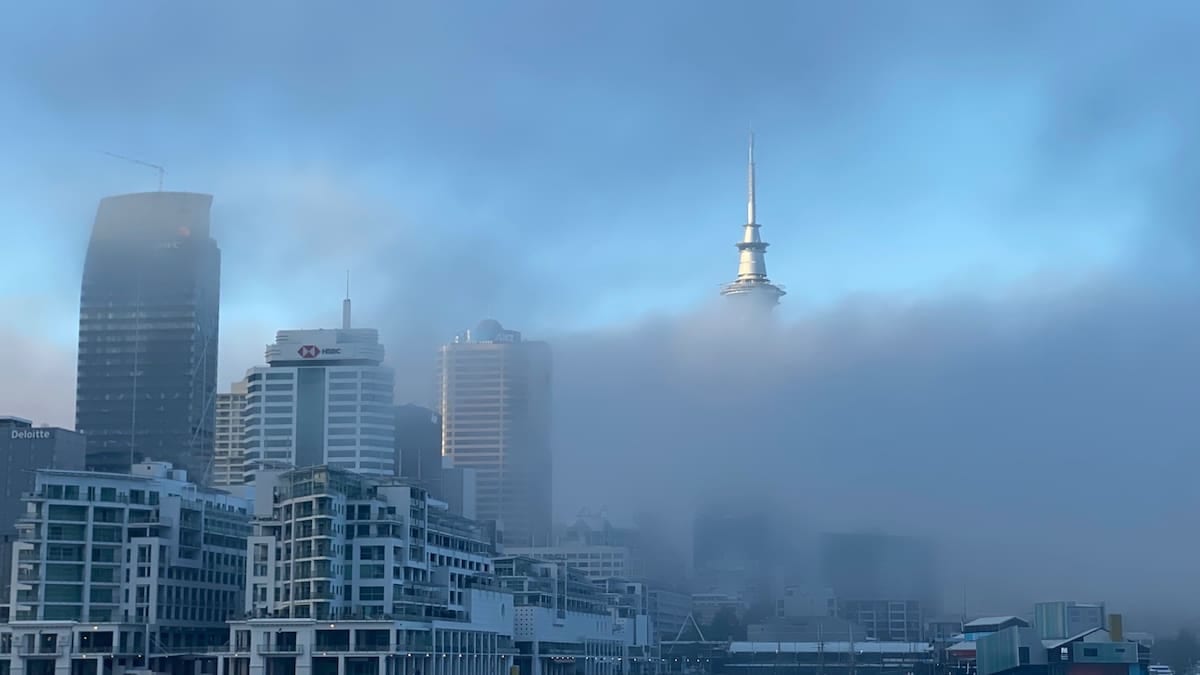
Yellow fog alert spans key Remembrance routes
Publicly available information from the Met Office shows a yellow weather warning for fog in force through Sunday morning, covering a broad swathe of central and southern England together with parts of north-west and south-west England and north-east Wales. The warning highlights the risk of slower journey times and difficult driving conditions as visibility drops to around 100 metres in places.
The alert zone includes many of the main road and rail corridors that normally carry large numbers of people to Remembrance Sunday services, including routes into London and across the Midlands, Yorkshire and the Humber. Forecast guidance indicates that fog is likely to be most persistent across the West Country and central southern England, where low cloud and mist may linger well into late morning.
According to recent coverage from UK news outlets, the warning in place from around midnight to mid-morning on 8 November has already contributed to reports of reduced speeds on sections of the M1, M4 and M5, along with patchy disruption on local A-roads in the affected regions. In Wales, areas around Flintshire and Wrexham are among those cited within the fog zone, with similar advice for slower travel and extra caution on rural routes.
While the yellow category indicates a lower level of risk than the Met Office’s amber or red alerts, the National Severe Weather Warning Service framework notes that even yellow warnings signal a likelihood of transport disruption and a need for travellers to plan around poorer conditions rather than expect normal journey times.
Impact on London Cenotaph and regional memorial services
Remembrance Sunday in 2026 falls on 8 November, the second Sunday of the month and the closest to Armistice Day on 11 November. The National Service of Remembrance at the Cenotaph in Whitehall draws senior figures and veterans alongside thousands of members of the public, with surrounding streets in central London closed to general traffic for much of the morning.
Travel reports indicate that the capital sits close to the heart of the current fog warning area, with London and the South East highlighted among the regions experiencing thick patches of low visibility. Transport operators in the city have issued standard seasonal advice for major events, encouraging travellers to allow more time for their journeys, check for short-notice changes and use public transport where practical given the combination of road closures and weather.
Regional ceremonies, from large city gatherings in Birmingham, Manchester, Leeds and Cardiff to smaller services in towns and villages, are also expected to feel the effects of the weather. In northern England, local media have reported dense fog across parts of Lancashire and Yorkshire in the early hours, raising the prospect of slower road traffic for those heading to morning parades and two-minute silence observances.
Some councils have drawn attention through their public information channels to dedicated park-and-ride sites, temporary parking restrictions and diversion routes already in place for Remembrance events. The added complication of foggy conditions means these measures are now being presented not only as crowd management tools but also as ways to keep vehicle movements more predictable and controlled in reduced visibility.
Air, rail and bus networks facing visibility challenges
Published coverage from broadcasters and newspapers in the UK points to aviation as one of the transport sectors most exposed to Sunday’s fog. Several airports within or near the warning area, including London Heathrow, London City, Birmingham and Manchester, have reported the possibility of low-visibility procedures, which can reduce the rate at which aircraft take off and land.
Any implementation of spacing measures between flights can lead to knock-on delays, and there is a risk of early-morning departures being pushed back while conditions improve. Travellers heading to or from Remembrance events by air, particularly those on tight connections or same-day returns, are being urged through public-facing information to monitor flight status closely and be prepared for schedule changes.
On the rail network, national and regional operators have highlighted that fog does not normally force line closures in the same way as high winds or flooding, but it can still require more cautious driving conditions and slower speeds in some areas. Reports on Sunday morning suggested minor delays on certain routes in the Midlands and north-west England, though services continued to run with adjustments to timetables rather than widespread cancellations.
Intercity coach services and local bus routes are likewise operating under more constrained conditions, especially on rural roads without street lighting. Companies have issued routine reminders that journey times may be extended and that early-morning services could be most affected while fog remains thickest before gradually lifting later in the day.
How long the fog is expected to last
Met Office guidance indicates that dense fog patches formed overnight from Saturday into Sunday under clear skies, light winds and cool temperatures, a combination described in recent forecasts as a near "perfect recipe" for fog development. As the day progresses, the warning notes that fog should slowly lift and clear, although the pace of improvement is expected to vary significantly by region.
Across parts of the West Country and central southern England, public forecasts suggest that visibility may remain poor well into the late morning as the low-level cloud struggles to break, leaving travellers to late-morning or lunchtime services facing ongoing pockets of disruption. In contrast, some inland areas further north and east are expected to see quicker improvements once the sun gains strength.
Updated outlooks on Sunday also point to the risk of further fog forming again on Sunday evening and overnight into Monday as temperatures drop back under largely settled conditions. A continuation of yellow fog warnings into the start of the working week would raise the prospect of Monday-morning commuters experiencing similar issues, though details of any extended alerts remain subject to further forecast updates.
For Remembrance Sunday itself, however, the key window of concern centres on travel to morning events, with weather maps showing the thickest fog aligned with typical peak arrival times for major services. By early afternoon, many locations within the warning area are predicted to transition to grey but more navigable conditions, easing pressure on return journeys.
Advice for travellers heading to services
Safety guidance from road and weather organisations, reflected in public information campaigns, urges motorists to drive to the conditions rather than the posted speed limit, use dipped headlights and fog lights where visibility is severely reduced, and maintain greater distances from the vehicle ahead. Drivers are also advised to avoid relying solely on sat-nav instructions in unfamiliar areas when road markings and landmarks are obscured.
For those travelling into major cities for national or regional ceremonies, planners recommend building in additional time to allow for slower traffic on approach roads, possible diversions around closed streets and the need to walk longer last stretches on foot. Checking the latest Met Office warnings and local travel bulletins before setting out can help travellers decide whether to leave earlier, choose an alternative route or switch to public transport if that is a realistic option.
Air passengers are being encouraged through airline and airport communications to complete online check-in in advance where possible, keep contact details up to date for notifications of schedule changes and consider taking earlier public transport services to terminals to buffer against potential congestion on access roads. Those with same-day returns linked to Remembrance events are advised to pay particular attention to the risk of rolling delays if low visibility persists longer than forecast.
With Remembrance Sunday carrying significant emotional and cultural importance across the United Kingdom, many travellers are likely to continue with their plans despite the weather. The combination of advance warning from forecasters, established event traffic management plans and an emphasis on cautious driving and flexible itineraries offers the best chance for people to reach services safely while the fog lingers over large parts of the country.