


More news on this day
The Taliban administration that calls itself the Islamic Emirate of Afghanistan is pushing back against a wave of foreign travel warnings, arguing that international advisories do not reflect what it describes as improved security conditions for visitors since it returned to power in August 2021.
Get the latest news straight to your inbox!
Foreign Governments Maintain Strict Travel Advisories
Publicly available advisories from Western and regional governments continue to urge their citizens to avoid all travel to Afghanistan, citing risks that range from terrorism and arbitrary detention to the absence of consular support. The United States lists Afghanistan at the highest “Do Not Travel” level, highlighting concerns about armed conflict, crime, civil unrest, and the lack of an operating embassy in Kabul. Similar advice appears in the guidance of other countries, including detailed warnings that foreign nationals may face detention, movement restrictions, or difficulties in leaving the country in an emergency.
European governments have issued comparable positions over the past two years, with updated notices emphasizing that their embassies closed or downsized after the 2021 change of power and cannot provide routine assistance to tourists or casual visitors. Official bulletins often stress that overland routes can be volatile, internal flights subject to disruption, and medical facilities limited in their ability to cope with complex emergencies. These notices typically frame any nonessential travel as an avoidable and high level personal risk.
Regional partners have adopted their own prohibitions and limits. Guidance for citizens of Gulf states, for example, specifies that travel to Afghanistan is restricted or not permitted except in tightly controlled circumstances such as official missions or pre cleared delegations. The cumulative effect is that, on paper, most mainstream tourism markets treat Afghanistan as effectively closed to leisure travel, despite small but growing numbers of specialist tour operators promoting visits.
Islamic Emirate Asserts Security and Dismisses Risk Claims
In response to these continued warnings, statements carried by Afghan and regional media show the Islamic Emirate repeatedly rejecting the characterization of Afghanistan as an unsafe destination for foreigners. Officials in Kabul argue that nationwide security has improved since the end of the Western backed republic and that large scale armed conflict has largely subsided. Public remarks reported in local outlets insist that foreign governments are relying on outdated perceptions of the country and are not acknowledging on the ground changes since 2021.
Coverage from Afghan news agencies describes the Taliban administration as framing recent advisories from European capitals as politically motivated or disconnected from daily realities in cities such as Kabul, Herat, Kandahar, and Mazar i Sharif. The Islamic Emirate’s spokespeople, as cited in these reports, maintain that there is no systematic campaign of hostage taking or targeted harassment of legitimate visitors who enter through official channels and respect local laws.
The administration also links its stance on travel safety to broader claims about counterterrorism and regional security. According to public comments summarized in Afghan media, Taliban representatives insist that they do not allow Afghan territory to be used to threaten other states and that international concerns over militant groups inside Afghanistan are exaggerated. These assertions are presented domestically as evidence that foreign advisories reflect lingering mistrust rather than current security metrics.
Emerging Tourism Numbers and “Danger Travel” Niche
Despite the severe tone of most foreign advisories, official data published in Kabul indicates that thousands of foreign visitors have entered Afghanistan since the Taliban takeover. A report by the country’s deputy tourism authorities, cited in state aligned Afghan newspapers, recorded more than 5,000 foreign tourists in 2023. Subsequent figures shared in local media suggest that numbers increased further in 2024 and early 2025, even if the total remains small by regional standards.
International coverage of this trend often describes Afghanistan as part of a niche “danger tourism” or “war tourism” circuit, attracting travelers who deliberately seek out destinations associated with conflict or political upheaval. Online tour companies based outside Afghanistan have advertised itineraries featuring Kabul’s markets, the ancient city of Herat, and highland valleys in Bamyan Province, while emphasizing that clients must accept significant personal risk and adhere strictly to conservative dress and behavior codes.
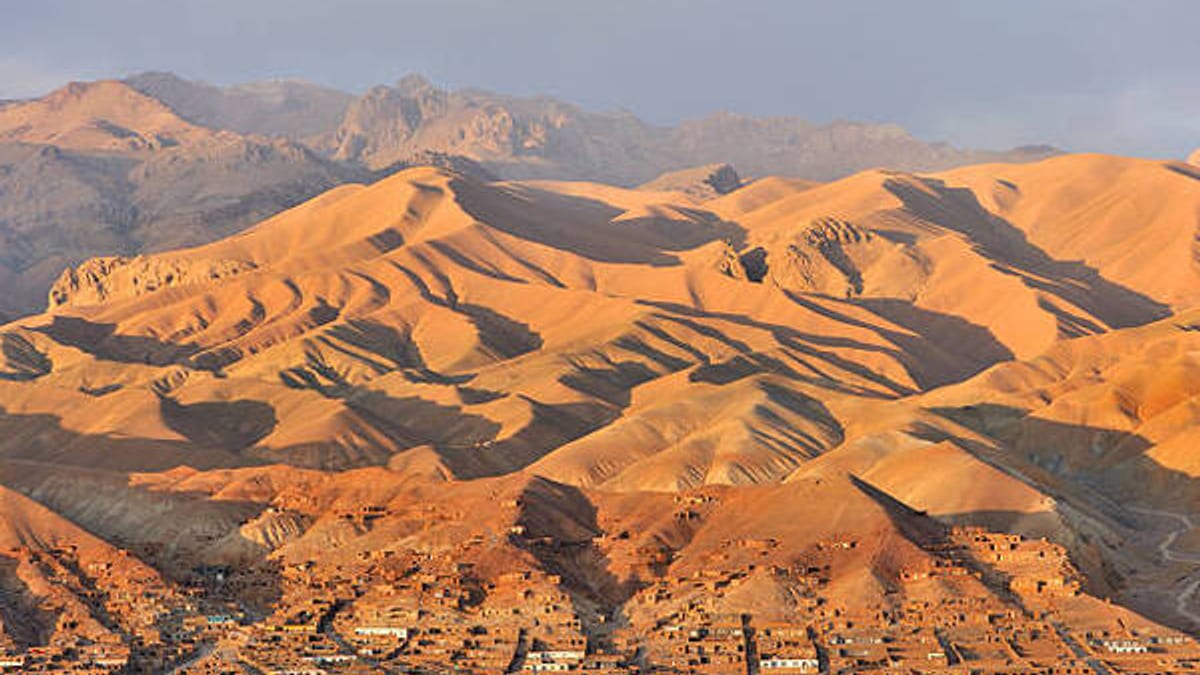
Local promotional material portrays the country differently, focusing on Islamic heritage sites, historic caravan routes, and natural landscapes rather than on its recent wars. Statements from tourism officials, as reported in Afghan media, frame the arrival of small groups of foreign visitors as proof that security conditions have stabilized compared with the insurgency period. The contrast between this messaging and the explicit “Do Not Travel” warnings issued abroad has become a focal point in the broader argument between Kabul and foreign capitals over how Afghanistan is perceived.
Travel Rules, Visa Practices, and On the Ground Realities
Alongside the debate over safety, practical travel rules have continued to evolve under the Islamic Emirate. Information published by Afghan authorities indicates that many foreign nationals require visas issued by Taliban appointed embassies or consulates, while some Afghans with dual nationality can enter using foreign passports if they can prove Afghan origin at the border. Public notices from Kabul emphasize that visitors are expected to follow strict social norms, including modest dress, gender segregation in many public spaces, and avoidance of alcohol, which is banned nationwide.
Foreign government advisories highlight additional complications. These include the possibility that visas issued by the former republic era embassies may not be recognized, that local security forces may question the purpose of travel, and that internal checkpoints can delay road journeys between provinces. Publicly available information from Western consular services also underlines that, in the absence of an embassy in Kabul, even basic assistance in cases of arrest, serious illness, or loss of travel documents is extremely limited.
Transport and infrastructure constraints are another factor shaping the real experience of travelers who do choose to enter. International flights connect Kabul and a small number of regional destinations, but schedules can change quickly and alternative routes through neighboring countries may require additional visas and clearances. Inside Afghanistan, commercial airlines and charter operators serve key cities, while long distance road travel remains subject to variable road conditions and seasonal closures in mountain passes.
Persistent Gap Between Official Narratives
The dispute over travel warnings underscores a wider gap between how the Islamic Emirate portrays Afghanistan and how many foreign governments assess risk. Kabul’s leaders point to declining front line fighting, reported reductions in large scale bombings in major cities, and modest tourism statistics as indicators that the country is no longer an active war zone. With senior Taliban figures attending regional conferences and outreach events abroad, the administration presents itself as a government seeking normal ties and routine cross border mobility.
By contrast, security assessments published in Western and regional capitals focus less on battlefield trends and more on governance, human rights concerns, and the absence of internationally recognized legal safeguards. These documents emphasize restrictions on women’s movement and employment, opaque detention practices, and the lack of independent oversight of security forces as reasons to keep advising against travel. Intelligence and defense reporting from various states also continues to describe the presence of militant networks that could threaten foreigners or regional stability.
For prospective travelers, the result is a layered and often conflicting picture. On one side is an administration eager to showcase relative calm and revive some form of tourism economy; on the other is a dense web of foreign advisories that treat any nonessential trip as unacceptably hazardous. Until there is greater alignment between these narratives, Afghanistan is likely to remain a destination visited mainly by a small group of highly specialized tour operators and risk aware travelers, rather than by mainstream holidaymakers.