


More news on this day
Drivers and rail passengers in Milton Keynes are being advised to prepare for reduced visibility and slower journeys as a Met Office yellow fog warning comes into force from Sunday evening into Monday morning.
Get the latest news straight to your inbox!
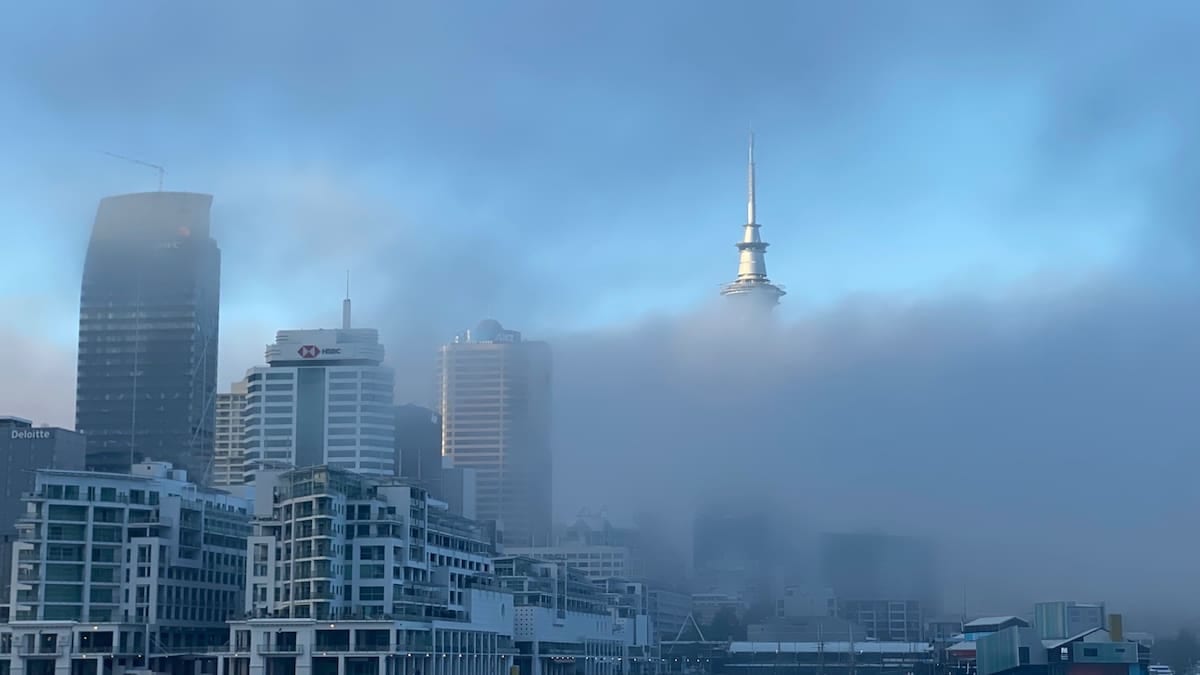
Yellow fog warning and key timings for Milton Keynes
Publicly available information from the Met Office shows that a yellow fog warning has been issued for Milton Keynes and parts of the wider South East region. The alert is in place from 18:00 on Sunday 8 November to 11:00 on Monday 9 November, covering both late evening road traffic and the crucial weekday morning commute.
The warning indicates a medium-level impact with a relatively high likelihood, meaning fog is expected to be widespread enough to affect travel but not classed as the most severe category of disruption. Forecasts point to fog patches forming readily during Sunday evening, becoming extensive overnight and lingering into late Monday morning before slowly thinning.
Localised forecasts for Milton Keynes suggest temperatures close to freezing overnight, which can allow fog to become dense in places. Visibility could fall to around 50 metres or less in the thickest patches, particularly on more exposed stretches of road and open ground around the town.
The alert currently applies only to the Sunday night and Monday morning period. Forecast tables for the remainder of the week indicate no further fog warnings at this stage, though guidance from the Met Office stresses that warnings can be updated or extended at short notice if conditions change.
Road travel: slower journeys and high-risk hotspots
Travel summaries linked to the warning highlight the risk of slower journey times on roads in and around Milton Keynes, with particular concern on faster routes such as the M1, the A5 and the A421. Reduced visibility on these corridors can lead to sudden braking and bunching of vehicles, especially where patches of dense fog form unexpectedly.
Guidance derived from national road safety campaigns advises drivers setting out after dark on Sunday or during the Monday morning rush hour to allow significantly longer journey times and to be prepared for extended sections of 30 mph or less, even on roads that are normally much faster. Motorists are urged to check that front and rear fog lights are working before departure and to use them only when visibility falls below about 100 metres, switching them off once conditions improve to avoid dazzling other road users.
Care is particularly recommended at major roundabouts and junctions on the grid road system, where approaching headlights may be difficult to judge through fog. Localised fog can also sit for longer over low-lying sections near open fields, waterways and lakes, including areas close to Willen Lake and the Ouzel Valley, where cold, still air encourages thicker patches.
Breakdown and recovery services consistently advise carrying basic cold-weather essentials in the car when fog is forecast, including warm clothing, a fully charged mobile phone and a small torch, in case an incident leads to longer-than-expected delays at the roadside.
Impact on rail, coach and air passengers
The yellow warning assessment notes a possibility of delays to bus and train services as drivers operate at reduced speeds and signalling systems respond to low-visibility conditions. Around Milton Keynes, this may affect local bus routes across the city and interurban services towards Northampton, Bedford and Aylesbury, where fog is also expected overnight.
Rail passengers using Milton Keynes Central on Monday morning are being encouraged through journey-planning advice to check for updated service information before setting out. While heavy fog does not always result in cancellations, it can add extra minutes to travel times as trains run more cautiously through affected sections, particularly on approaches and junctions.
The fog warning also flags a chance of disruption to flights, including potential delays or cancellations where visibility falls below operational limits at airports. Travellers heading to or from nearby airports such as Luton, Birmingham or Heathrow early on Monday are advised by public guidance to monitor airline and airport updates from late Sunday onwards, and to allow additional time for slower surface journeys to terminals.
Coach operators serving Milton Keynes, including intercity links to London, the Midlands and the North West, may also adjust schedules slightly when visibility is poor. Passengers are usually advised to sign up for service alerts, where available, so any changes can be picked up quickly on mobile devices.
Practical safety tips for driving in fog
National road safety advice compiled from motoring organisations and weather-awareness campaigns emphasises a few key behaviours when fog is forecast. Drivers are urged to reduce speed gradually as visibility worsens, maintain a larger gap to the vehicle in front and avoid sudden braking, which can trigger collisions in dense fog when following drivers have less time to react.
Using dipped headlights, rather than full beam, is recommended because high beams can reflect off water droplets in fog and make it even harder to see. Rear fog lights can make a vehicle more visible from behind in very poor visibility, but should be turned off once conditions improve to normal levels or when traffic is close behind, to prevent glare.
Motorists are also encouraged to avoid relying solely on sat-nav instructions where visibility is extremely poor. Instead, guidance suggests paying close attention to roadside reflective markers, lane lines and speed limit signs, and being prepared to pull over in a safe place if conditions become overwhelming. Stopping on the hard shoulder or in a live traffic lane is strongly discouraged except in genuine emergencies.
Pedestrians and cyclists moving around Milton Keynes during the warning period are advised by general safety campaigns to use high-visibility clothing or lights where possible and to take extra care when crossing roads. In dense fog, drivers may struggle to see people until they are very close, especially in areas without strong street lighting.
What Milton Keynes travellers should do next
Community-resilience leaflets and Met Office guidance stress that yellow warnings are intended as an early prompt to review plans rather than a reason to cancel all journeys. For many residents of Milton Keynes, commuting and school travel will continue as normal on Monday, but with the expectation of slower progress and the need for greater concentration behind the wheel.
Residents planning longer trips overnight or early on Monday may wish to bring departure times forward or back to avoid the very worst of the fog, particularly if journeys involve extensive motorway driving. Those with flexible working arrangements may consider travelling slightly later in the morning, as published forecasts indicate that fog is likely to thin gradually from late morning onwards.
Because severe weather alerts can change as fresh data becomes available, travellers are encouraged by public information campaigns to keep checking the latest official forecasts and traffic bulletins on Sunday evening and Monday morning. Local radio, dedicated weather apps and roadside message signs are among the tools commonly recommended for staying updated on visibility and incident reports.
With advance preparation, extra time built into journeys and careful driving, transport experts suggest that most travel across Milton Keynes can continue, albeit at a slower pace, while the fog warning remains in effect.