


Empty wooden storefronts, sun-bleached signs, and rusting machinery tell quiet stories of long-gone mining booms.
Exploring historic locations offers an unmatched thrill for history buffs and outdoor adventure seekers alike. Setting out requires proper preparation, reliable safety equipment, and genuine respect for forgotten historic sites.
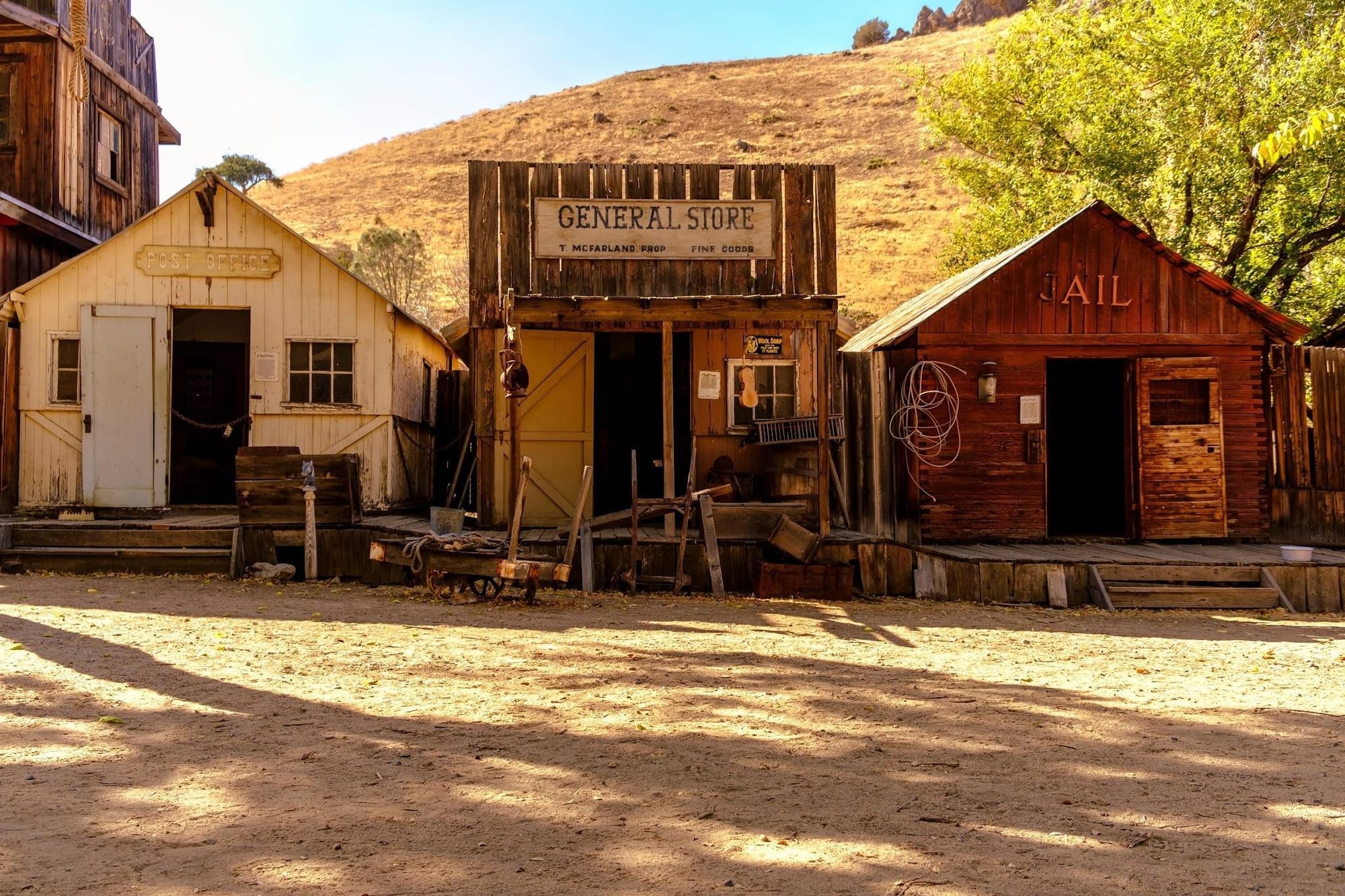
Finding Historic Sites Near You
Mapping out historic locations requires searching far beyond standard travel guides and social media feeds. Old county survey maps, local historical archive records, and specialized online databases offer reliable leads for beginners. These resources often reveal hidden settlements long forgotten by modern road maps.
Finding verified coordinates takes patience when planning a trip across rural counties. You can learn more at unitedstatesghosttowns.com to locate detailed regional listings and map coordinates before heading out. Checking land ownership status prevents unwanted trespassing issues on private property.
Checking local weather patterns and dirt road conditions helps avoid unexpected road hazards along remote routes. Unpaved access roads can quickly become impassable during sudden downpours.
Packing the Right Gear for Safety
Packing appropriate gear protects you from unexpected hazards during your excursion. Heavy denim pants and long sleeves shield skin against sharp rusted metals, overgrown thorns, and jagged timber edges. Layering clothing helps regulate body temperature during changing weather conditions.
Basic supplies can make a massive difference when visiting remote areas far from town centers:
- High-powered LED flashlight with extra batteries
- Fully stocked first aid kit with bandage wraps
- Thick work gloves for handling rough materials
- Multi-tool and emergency satellite communicator
Carrying plenty of clean drinking water prevents heat exhaustion during long outdoor walks in arid regions. Standard emergency supplies give you peace of mind walking far from cellular service. Simple safety precautions keep minor challenges from turning into dangerous emergencies.
Choosing the Correct Protective Footwear
Abandoned structures present hidden ground hazards like rusty nails, hidden glass, and unstable floorboards. Standard athletic running sneakers fail to offer enough protection on severely decayed wooden surfaces. Sturdy footwear forms the foundation of any safe outdoor exploration activity.
According to a guide on urban exploration, work boots with reinforced soles and ankle support provide crucial protection against structural hazards. Choosing sturdy footwear reduces the risk of painful ankle twists or sharp nail punctures. Solid ankle protection remains critical when navigating uneven rocky terrain.
Pairing heavy footwear with thick wool socks protects feet against painful friction blisters during long hours of walking. Breaking in new boots before taking long outdoor trips prevents painful foot fatigue.
Protecting Against Hazardous Glass and Debris
Sharp debris litters the ground inside decayed structures across abandoned mining settlements. Shattered window panels, rusted metal tins, and old glass bottles accumulate near dark doorways and interior hallways. Moving slowly through indoor spaces gives your eyes time to adjust to dim lighting.
A guide on exploration rules points out that shoes with a thick sole protect feet from glass splinters and debris on the floor. Keeping eyes focused on your steps prevents accidental trips over fallen ceiling beams. Watching the path ahead keeps your trip safe and trouble-free.
Navigating carefully around degraded floors keeps your outdoor adventure safe and memorable. Unstable floorboards can collapse under sudden weight without warning.
Respecting Sensitive Locations and Artifacts
Preserving historic sites allows future visitors to experience original atmospheres untouched by modern destruction. Leaving antique household items and tools exactly where they sit maintains authentic historical context. Future visitors deserve the opportunity to view intact artifacts in their original settings.
A document on urban exploration notes that explorers should never reveal sensitive location details to prevent vandalism or theft. Sharing precise geographic coordinates on public channels often leads to property damage. Keeping locations private protects delicate historical structures from destruction.
Taking photographs instead of taking physical souvenirs leaves historical sites completely intact for decades. Capturing memories through photography creates lasting keepsakes without damaging historical resources.
Navigating Remote Wilderness Locations
Cellular phone signals often fail completely inside deep canyons, desert flats, and mountain passes. Downloading offline GPS maps before leaving home guarantees navigation tools work without active digital cell service. Carrying a physical paper map provides extra security when digital devices fail.
Informing a trusted family member or close friend about your exact travel route provides a necessary safety net. Establishing clear check-in times guarantees someone alerts emergency services if unexpected delays happen. Sharing detailed trip itineraries prevents unnecessary worry for loved ones back home.
Returning home safely makes every historical adventure worth the effort. Knowing when to turn back due to bad weather or fatigue protects life and limb. Respecting your personal physical limits prevents dangerous accidents in remote wilderness environments.
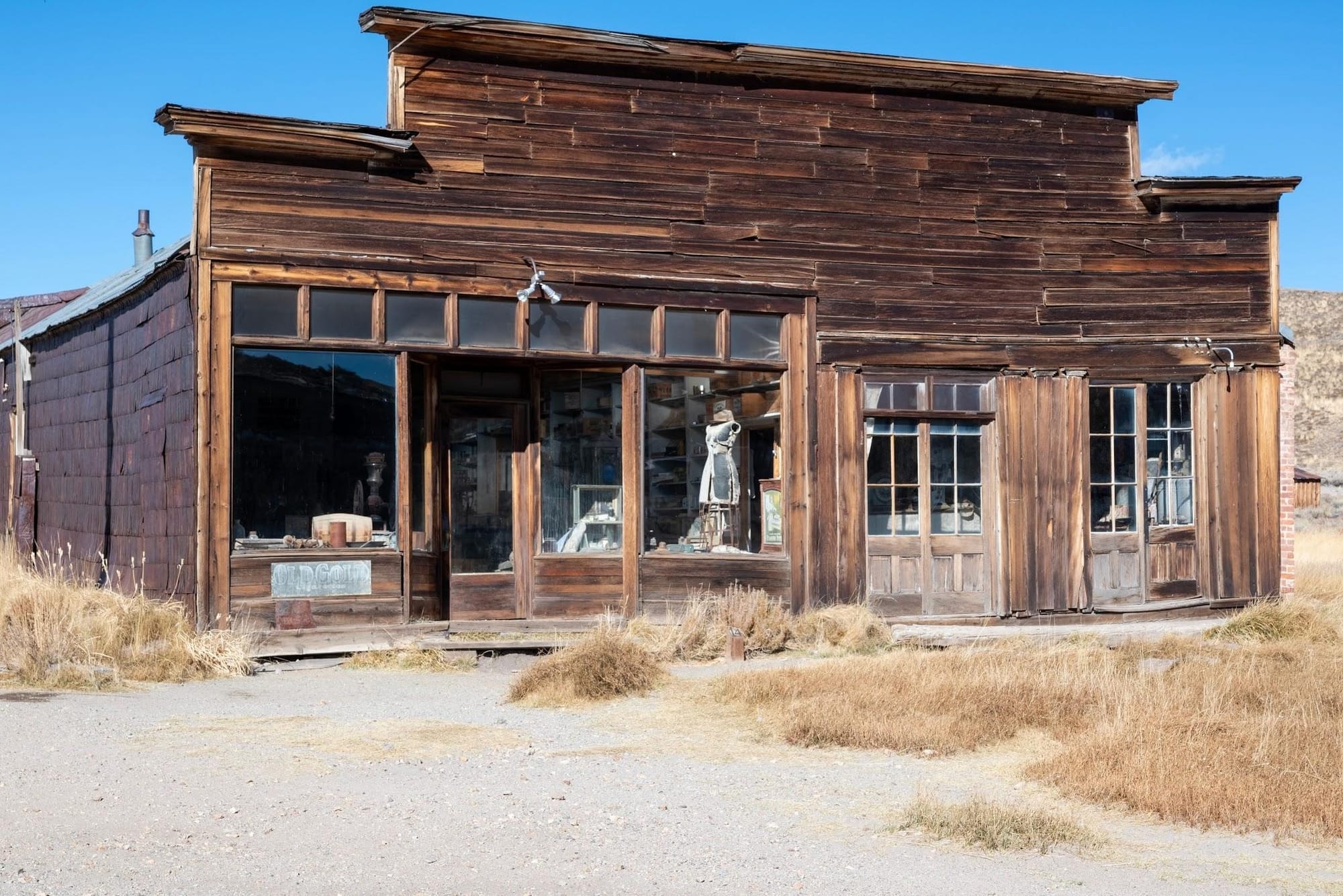
Exploring abandoned settlements connects travelers to past communities in a unique, meaningful way. Careful trip planning and proper personal gear turn potential hazards into manageable safety routines. Taking time to prepare makes sure every outdoor trip remains safe and rewarding.
Respecting historic structures guarantees these fascinating locations remain preserved for future generations to discover. Pack your gear, check local maps, and start discovering forgotten history today.