


More news on this day
UK air travel hit its busiest levels since before the pandemic in 2025, but new analysis of punctuality data shows that for many passengers the year was also marked by long and frequent flight delays on a handful of major airlines.
Get the latest news straight to your inbox!
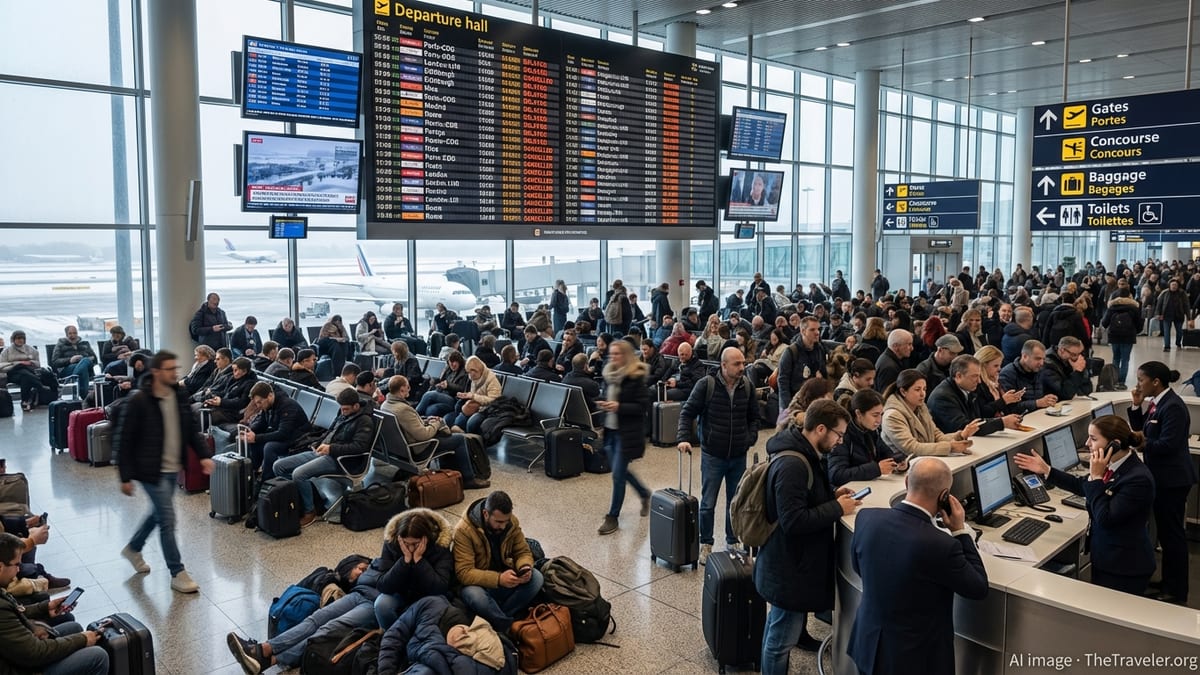
How the 2025 delay league table was compiled
The latest rankings of the worst airlines for UK flight delays in 2025 draw on Civil Aviation Authority punctuality statistics and independent disruption studies that track every commercial departure from British airports. These datasets record scheduled and actual departure times, enabling analysts to calculate the average delay by carrier across tens of thousands of flights.
The headline measure used in most comparisons is average delay in minutes per flight, including services that run ahead of schedule. This approach means a carrier operating a large network is not automatically penalised for its scale, but is instead judged by how consistently it pushes back on time.
To ensure meaningful results, compilers typically exclude very small airlines and focus on carriers with at least several thousand UK departures a year. Both full service and low cost operators are assessed, covering routes from short European hops to long haul services to Asia and North America.
The 2025 figures sit against a backdrop of record traffic through UK airspace and persistent congestion at hub airports. Industry performance reports show that average departure delays across Europe climbed during the year, driven largely by reactionary disruption as one late flight cascaded into the next rotation.
Airlines with the longest average delays from UK airports
According to public analyses of CAA data and specialist disruption reports focused on the UK market, a small group of airlines emerged as the worst performers for average delay in 2025. At the top of the list were long haul carriers operating from London and regional hubs whose flights frequently departed more than half an hour behind schedule.
Air India was again among the poorest performers on UK routes, with several services from London and regional airports to the Indian subcontinent recording average delays measured in tens of minutes. Routes linking London Gatwick with southern India were repeatedly flagged in published coverage for consistently late departures.
Among European low cost operators, Wizz Air continued to generate some of the longest waits for passengers on UK departures. Consumer-focused analyses of 2025 performance pointed to an elevated share of flights running more than 30 minutes late on key leisure routes from London Luton and other bases to Central and Eastern Europe, even as the airline reported internal improvements in completion rates and punctuality compared with 2024.
Several other carriers, including a mix of budget and full service airlines, clustered just behind the worst performers with average delays of around 20 minutes per flight out of UK airports. For passengers, that translated into a high likelihood of missing tight connections and arriving at resorts or business meetings substantially later than planned.
Why some airlines struggled more than others
Although congested airspace and weather disruptions affected all operators to some extent in 2025, the worst airlines for delays tended to share common structural challenges. Many ran dense schedules with short turnaround times at busy bases such as London Gatwick, London Luton and Manchester, leaving little slack when aircraft or crews ran behind.
Industry briefings also highlighted staffing pressures in both the cockpit and cabin at a number of fast-growing airlines serving the UK. When flights were disrupted early in the day, limited spare crews made it more difficult to recover the timetable, pushing delays into subsequent rotations and late evening departures.
Network design played a further role. Airlines heavily exposed to crowded European corridors and chronically constrained control sectors were more vulnerable to reactionary delay, especially when operating point-to-point leisure schedules where a single late inbound aircraft could derail an entire day of flying.
By contrast, carriers that invested in additional stand-by aircraft and crews, and those that built longer ground times into timetables at pinch points such as major hubs, generally reported better on-time performance. While this approach carries a cost, 2025 data suggests it helped some airlines avoid joining the list of the UK’s worst delay offenders.
Impact on UK passengers and compensation rights
For travellers, the uneven performance between airlines was more than an academic ranking. Consumer surveys conducted for the UK regulator in 2025 found that delays and poor communication during disruption were among the biggest drivers of complaints, with some of the worst-performing airlines also attracting the highest volumes of formal grievances per passenger carried.
Under UK261 regulations, passengers on flights departing from UK airports may be entitled to financial compensation when they arrive more than three hours late and the disruption is considered to be within the airline’s control. Eligibility depends on factors such as flight distance, cause of delay and whether the carrier offered rerouting or assistance.
Specialist claims companies and legal-tech platforms reported brisk demand from UK passengers in 2025 as awareness of these rights grew. They pointed to long haul flights operated by some of the airlines with the worst punctuality records as a significant source of potential compensation cases, given the high likelihood that substantial delays would cross the three-hour threshold.
The concentration of disruption on a handful of carriers also had knock-on effects for UK airports, which had to manage spikes in stranded customers when multiple late flights coincided. Airport operators responded with expanded customer care teams and updated contingency plans, particularly at terminals used heavily by delay-prone airlines.
How passengers can use the 2025 rankings
While 2025’s worst airline list does not guarantee what any individual passenger will experience on a given day, it provides a useful guide to relative reliability when choosing between carriers on the same route. Travellers booking busy holiday or school break dates may wish to factor the data into their decision-making, especially if they have tight onward connections.
Travel experts generally advise checking both airline and airport punctuality reports before committing to a flight. A carrier with modest average delays may still struggle on particular routes or departure times, so drilling down into route-level data where available can offer further insight into the risk of disruption.
Flexible itineraries, longer connection windows and earlier departures remain practical ways to mitigate the impact of delays, particularly when flying with airlines that appeared near the bottom of the 2025 rankings. Travel insurance with disruption cover, and a clear understanding of compensation rights, can also soften the blow if schedules unravel.
With UK flight volumes expected to grow again in 2026, the performance of the worst offenders in 2025 will be closely watched. Regulators, airports and passengers alike will be looking for evidence that airlines have adjusted schedules, boosted staffing and invested in resilience to keep future delays from repeating last year’s experience.