


More news on this day
Heavy fog shrouding Sydney on May 27 has disrupted operations at Sydney Airport, with scores of flights delayed or cancelled and passengers facing long waits as schedules are hastily rewritten.
Get the latest news straight to your inbox!
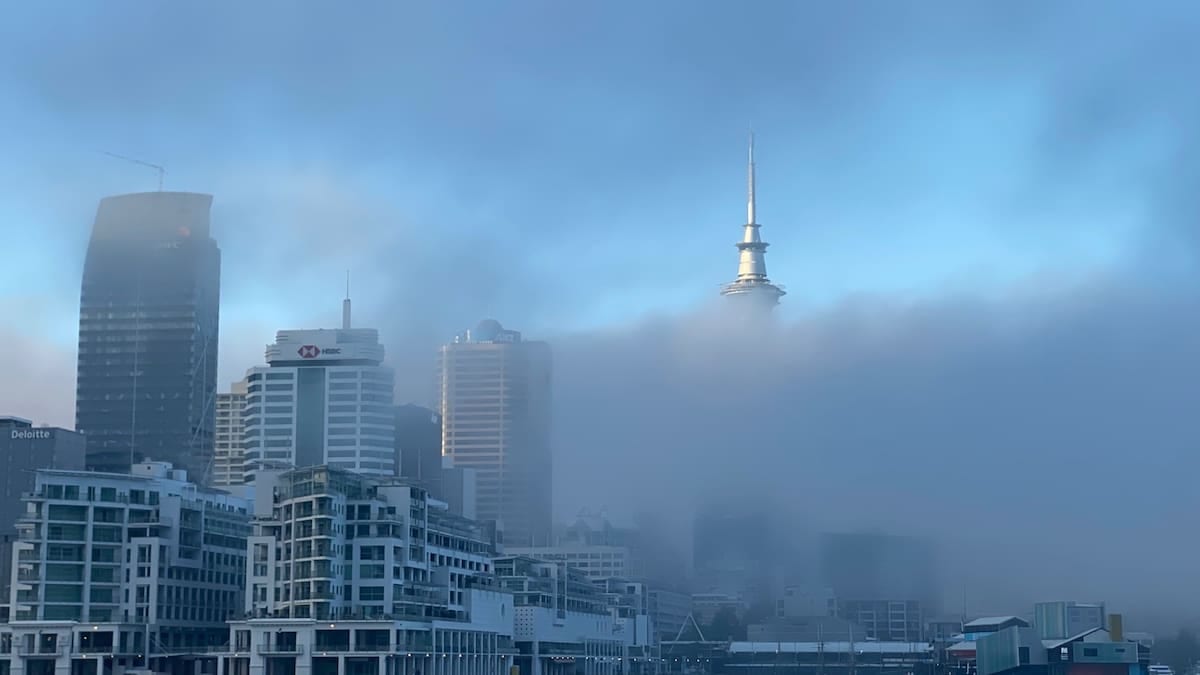
Dense fog cuts visibility and slows arrivals
A thick blanket of fog settled over the Sydney basin in the early hours of Tuesday, sharply reducing visibility on runways and taxiways at Sydney Airport. Publicly available weather and aviation data indicate that conditions deteriorated around the morning peak, prompting air traffic managers to reduce the rate at which aircraft could safely land and take off.
When low cloud and fog reduce what pilots and controllers can see, arrival spacing is typically widened and some approaches are temporarily suspended. According to recent operational snapshots from comparable fog events, such measures can slash an airport’s effective capacity, even when winds are light and there is no rain or storm activity. The situation in Sydney mirrored similar disruptions reported at major hubs elsewhere earlier in May, where low ceilings and mist triggered ground delay programs.
As the morning progressed, the fog began to lift across parts of the city, but visibility at the airport remained patchy. This created a stop-start pattern of activity on the airfield, with short bursts of arrivals followed by renewed restrictions as conditions thickened again. The uneven recovery made it difficult for airlines to predict exact departure times, contributing to rolling delays.
Flights cancelled, diverted and consolidated
According to airline status boards and airport operational feeds reviewed on May 27, multiple domestic flights into and out of Sydney were delayed by an hour or more, while a smaller number were cancelled outright. Services linking Sydney with other Australian capitals were among the hardest hit, with some early departures pushed back well into the mid-morning.
Some carriers responded by consolidating lightly booked services, moving passengers from several disrupted flights onto a single operating aircraft once weather windows opened. This approach, observed in earlier fog events at Sydney and other hubs, is designed to move as many travellers as possible when capacity is constrained, but it can leave some itineraries cancelled at short notice.
International operations also experienced knock-on effects. Published coverage indicates that at least one overnight long-haul service encountered delays on approach, while trans-Tasman routes between Sydney and New Zealand reported schedule slippage and minor late arrivals. With Sydney functioning as a key gateway for both domestic and regional traffic, even modest disruptions can ripple through onward connections for the rest of the day.
Why fog is so disruptive at a busy hub
Fog-related disruption is not new for Sydney, but the latest event underscores how vulnerable a high-volume hub can be when visibility drops during peak periods. Unlike thunderstorms or strong crosswinds, dense fog often arrives quietly and lingers, complicating forecasts and forcing operators to make conservative decisions until conditions clearly improve.
Planning documents and previous analyses of Sydney Airport’s operations show that its tightly managed slot system leaves little spare capacity to “catch up” when early-morning flights are significantly delayed. Once the first wave of arrivals and departures is pushed back, aircraft and crew are out of position for the rest of the day, limiting options to recover the timetable even after the fog clears.
Global aviation data from recent weeks point to similar patterns at other congested airports dealing with low cloud, mist or coastal fog. When arrival rates are cut and ground delay programs are activated, carriers typically respond with a mix of retiming, cancellations and aircraft swaps. For travellers, the end result is the same: extended waits, missed connections and a higher likelihood of overnight stays if onward flights cannot be met.
Travellers urged to monitor itineraries closely
Consumer guidance drawn from past weather disruptions suggests that passengers affected by fog-related delays are best served by closely monitoring their flight status through airline apps and official notifications. On days when visibility is marginal, schedules can shift repeatedly as operators react to short-lived improvements or unexpected deteriorations in conditions.
Publicly available information from recent Sydney and international fog events highlights several common themes. Travellers with early departures are especially vulnerable when morning banks are constrained, while those connecting through Sydney from regional centres can face particular uncertainty if an inbound leg is delayed or cancelled. In many cases, missed connections lead to rebookings onto later services or alternative routings via other hubs.
Travel analysts note that, although weather-related disruptions typically fall outside standard compensation regimes, airlines often provide rebooking, meal vouchers or accommodation when passengers are stranded for extended periods. Policies vary by carrier and fare type, so passengers are encouraged to review their booking conditions and keep receipts for any additional expenses that may later be claimable.
Ongoing knock-on effects through the network
While the fog over Sydney is expected to ease as the day progresses, the impact on the wider domestic network may continue well into the afternoon and evening. Aircraft that arrived late into Sydney in the morning are scheduled to operate subsequent sectors to other cities, meaning initial delays can propagate downline.
Operational reports from earlier episodes in May, both in Australia and overseas, show how a single bout of adverse weather at a key airport can leave crews and aircraft out of place for multiple rotations. When this happens during a busy travel period, airlines may have limited spare capacity to absorb the disruption, leading to fuller flights, fewer standby seats and limited flexibility for last-minute changes.
For now, publicly accessible tracking data suggest that Sydney Airport’s fog-related disruption, while significant, remains short of the widespread meltdown scenarios occasionally seen during major storms or prolonged air traffic control restrictions. Even so, the latest episode is a reminder that in modern aviation, an hour or two of reduced visibility at the wrong time of day can be enough to unsettle travel plans for thousands.