


More news on this day
Dense fog has descended over parts of the United Kingdom, prompting a fresh yellow weather warning and bringing slower journeys, flight delays and difficult driving conditions on some of the country’s busiest routes.
Get the latest news straight to your inbox!
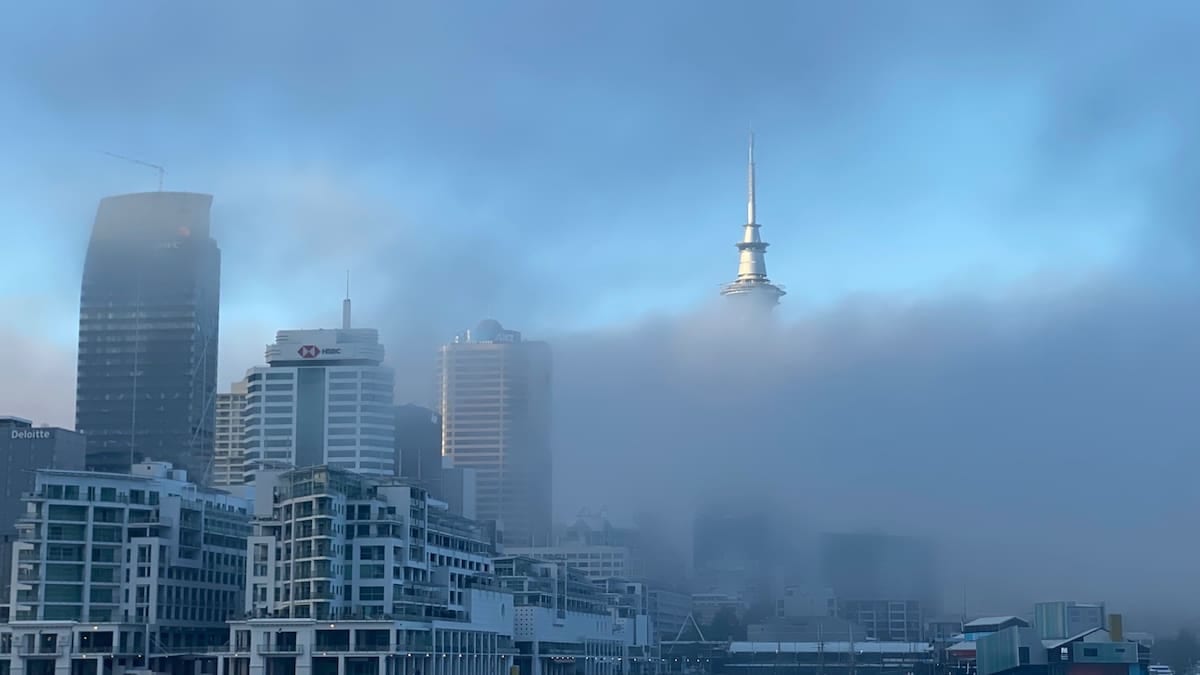
Yellow fog alert in force across central and eastern Britain
Publicly available information from the Met Office shows a yellow warning for fog in place from 18:00 on Monday 9 November until 10:00 on Tuesday 10 November, covering an arc from eastern Wales across the Midlands into East Anglia. The alert highlights the risk of visibility dropping below 100 metres in places, especially overnight and during the morning rush hour.
The warning notes that fog is expected to redevelop and thicken during the evening as winds fall light and skies clear, a pattern that often leads to widespread mist across river valleys and low-lying stretches of the road and rail network. The Met Office indicates that some patches are likely to become dense and slow to clear, particularly in sheltered inland areas.
According to the agency’s guidance, fog warnings are issued when visibility is forecast to fall below 200 metres over a broad area, with potential impacts on transport. Fog alerts are less common than warnings for wind or rain, but the current spell follows a run of calm, moisture-laden conditions that forecasters associate with increased risk of autumn and early winter fog.
Forecasts for the wider week suggest changeable conditions, but with further opportunities for overnight mist or fog in parts of England if winds remain light, underlining the likelihood of continued, localised disruption for travellers.
Motorways and A-roads face slower journeys and visibility hazards
National Highways travel advice highlights that thick fog can create rapid changes in visibility along major routes, with clear stretches suddenly giving way to dense banks of mist. That pattern has been reported on sections of the M4, M5 and M6 corridors, as well as key A-roads running through the warning area, with drivers encountering sudden drops in visibility on otherwise dry surfaces.
Guidance from National Highways and the Highway Code stresses that motorists should use dipped headlights rather than full beam, which can reflect back from the water droplets in fog, and switch on front and rear fog lights when visibility drops below about 100 metres. Drivers are advised to allow much greater stopping distances, reduce speed gradually where conditions worsen and avoid relying on the lights of the vehicle in front as a guide to lane position.
Road operators also encourage travellers to reconsider non-essential journeys at times of dense fog, particularly overnight and at dawn, when conditions can be most severe. For those who must travel, advice includes checking live traffic information before setting off, allowing additional time and being prepared for rolling speed restrictions or temporary closures if visibility becomes too poor.
Early indications from traffic monitoring services point to slower-than-normal journey times on parts of the strategic road network within the warning zone, though no major long-term closures had been reported by Monday afternoon. Localised congestion has been observed where traffic meets sudden fog banks, especially near junctions and interchanges.
Air passengers warned of delays as fog disrupts flight schedules
Airports situated within or near the fog warning area have begun to report knock-on disruption, as low cloud and poor visibility affect take-offs and landings. Flight tracking data and regional media coverage indicate that Bristol Airport experienced several diversions and delays on Monday morning as thick fog shrouded its elevated airfield.
Live departure boards show a proportion of services operating with extended turnaround times as crews and air traffic controllers work within low-visibility procedures. Recent experience earlier this month, when heavy fog and a separate technical issue led to widespread UK flight disruption, has already left airlines and passengers sensitive to further delays.
Airlines are advising customers to check status updates through official apps or airport information screens before travelling, and to factor in extra time for security and boarding in case aircraft are held on stand. Under European and UK legislation, compensation for passengers affected by fog-related disruption is limited, as adverse weather is generally treated as outside airline control, although carriers remain responsible for care and assistance in the event of long delays.
Given the combination of fog and a busy early winter travel period, aviation analysts expect some continued schedule pressure at hubs that sit close to the edges of the warning area, including Birmingham, East Midlands and London Luton, particularly during early morning banked departures and late-night arrivals.
Rail and local transport adapt to low-visibility conditions
Publicly available information from rail operators and journey planners shows that most mainline services are currently running, but the fog warning raises the possibility of slower operations in affected areas. Dense fog can lead to cautionary speed restrictions on certain stretches of track, particularly where signals and lineside markers are harder for drivers to see.
In practice, low visibility tends to have a more limited impact on rail than on road or air travel, yet heavy fog has previously contributed to delays on routes across the Midlands and East Anglia, especially where it coincides with leaf fall or frost. Operators are monitoring conditions closely and advising passengers to check for live updates on the morning of travel.
Within towns and cities, local bus and coach services may also experience extended journey times, as drivers navigate reduced visibility on suburban roads and rural approaches. Transport planners note that even modest delays on several modes can combine to lengthen total door-to-door travel times for commuters, students and shift workers.
For many passengers, the main practical effect is the need to allow more time for connections and transfers, particularly at rail-bus interchanges or park-and-ride sites that sit in low-lying or fog-prone areas such as river basins and coastal plains.
Seasonal fog risk underscores need for preparation
The Met Office has recently highlighted that fog is most frequent in the UK during the colder months, when long nights allow the ground to cool and clear, calm conditions give water vapour a chance to condense close to the surface. The current warning fits that pattern, arriving after a wet and unsettled late October that has left soils and air relatively moist.
Travel advice produced jointly by meteorologists and National Highways underscores that fog can form quickly and vary sharply over short distances, meaning conditions experienced at home may differ significantly from those on a motorway, rural A-road or exposed airfield. The agencies therefore recommend checking the latest forecast and any active warnings before early morning or late evening journeys.
For travellers, simple steps such as planning routes that avoid the highest ground, ensuring lights and wipers are in good working order, and packing warm clothing and water in case of delays can reduce the impact of a fog episode. Those with flexible schedules are encouraged to shift journeys to later in the morning where possible, allowing time for the sun and rising temperatures to thin low cloud and improve visibility.
With the yellow warning currently due to expire by late Tuesday morning and no further widespread fog alerts in place beyond that window, the present disruption is expected to be temporary. However, as the UK moves deeper into the autumn and winter season, transport and weather services are signalling that further episodes of dense fog are likely, keeping visibility and journey planning firmly on travellers’ radar over the weeks ahead.