


More news on this day
Trafalgar’s entry into European river cruising for 2026 is arriving at a pivotal moment for the sector, with bookings pacing ahead of recent years and signaling strong new client interest that travel advisors are already beginning to leverage.
Get the latest news straight to your inbox!
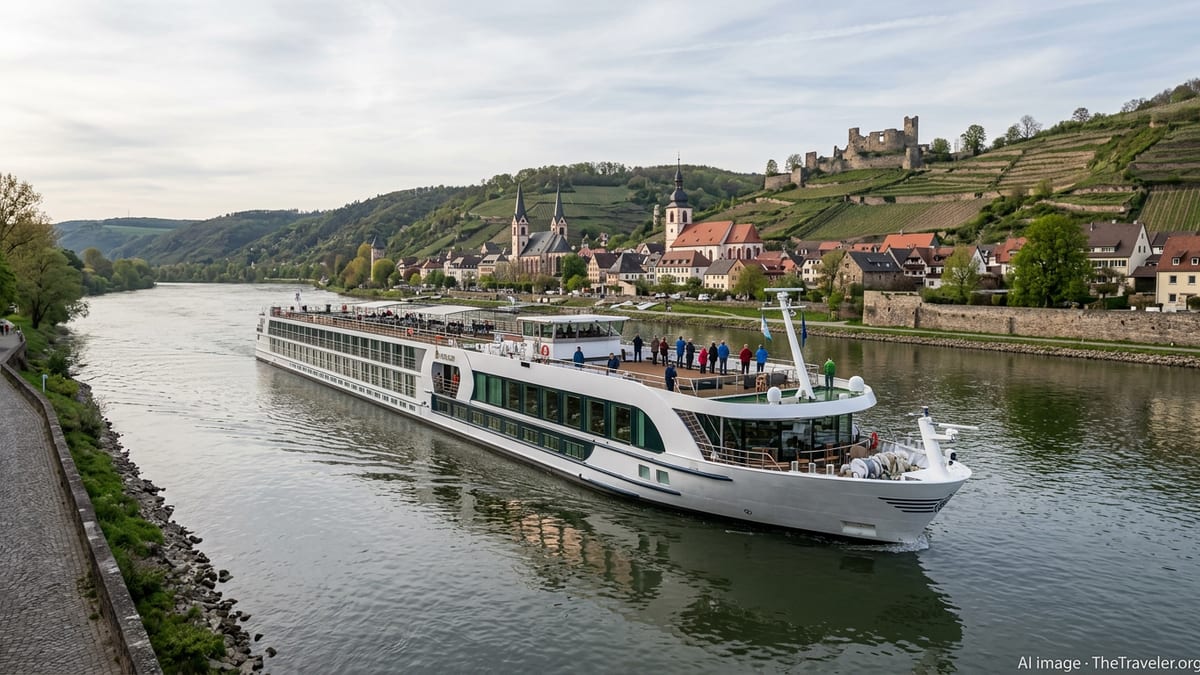
River Cruise Demand Builds Into 2026
Industry data for 2025 and 2026 indicates that river cruising continues to outpace broader cruise growth, with many operators reporting double digit increases in advance bookings compared with prior years. Trade coverage highlights that some European river lines already have substantial portions of their 2026 capacity sold, reflecting a combination of pent up travel demand, a shift toward experiential itineraries and the appeal of smaller ships on inland waterways.
Market research drawing on Cruise Lines International Association figures suggests that river cruising has grown to represent a meaningful share of global cruise passengers, supported by a long term pivot toward slower, immersive travel experiences. Analysts note that North America is set to remain a key source market through the end of the decade, with higher disposable incomes and strong interest in culturally focused trips sustaining demand.
For travel advisors, the pattern is translating into earlier booking windows and more complex trip planning that often combines city stays with pre and post cruise touring. Many agencies report that prospective cruisers are asking more detailed questions about inclusions, sustainability practices and onboard ambiance than in the past, which in turn rewards advisors who specialize in the category.
Trafalgar’s Launch Signals a Strategic Bet on the Rivers
Against this backdrop, Trafalgar is moving decisively into the river cruise arena in 2026. Publicly available information shows that the brand, long associated with escorted land tours, is starting its river program with two 128 passenger ships operating on the Rhine and Danube from April 2026. Trade coverage notes that these vessels, Trafalgar Verity and Trafalgar Reverie, have been lightly refurbished and adapted to carry the company’s tour focused product onto the waterways.
Reports indicate that Trafalgar opened bookings for its inaugural river season well ahead of launch, then aligned itself with cruise industry associations in the river category to reinforce its positioning. Additional coverage in trade publications and consumer travel media has emphasized that the line plans to expand with a third ship on the Seine in 2027 and purpose built vessels later in the decade, signaling that the river program is designed as a long term pillar rather than a short lived experiment.
The official Trafalgar brochure for 2026 and 2027 presents river cruising as an evolution of the company’s guided touring style, highlighting hosted experiences ashore and curated excursions as differentiating features. For advisors, this linkage between a familiar brand and a new cruise product offers a relatively low friction way to introduce river itineraries to existing Trafalgar land clients who may be ready to try a different format without abandoning a trusted name.
Fresh Interest from New to Cruise Clients
Trade and consumer reports suggest that much of the current growth in river cruising is coming from travelers who are either new to cruising entirely or who have only sailed on larger ocean ships. These guests are often attracted by the promise of docking in the center of historic cities, smaller passenger counts and an atmosphere that feels closer to a boutique hotel than a resort at sea.
Trafalgar’s move into the segment is seen by many observers as a signal that this new to cruise audience can be reached through land tour databases and repeat guests who are accustomed to escorted group travel. Public coverage of early marketing efforts points to messaging that emphasizes familiarity and ease, positioning river cruises as an extension of guided touring rather than a separate, more intimidating cruise world.
Market commentary also notes that the line is using aggressive trade offers, including discounted advisor rates on select 2026 sailings, to encourage front line sellers to experience the product firsthand. For agencies, this creates an on ramp to develop in house river expertise while building a bank of authentic, personal stories that can be shared with clients skeptical about cruising.
Expert Selling Strategies for Travel Advisors
With river capacity tightening into 2026, advisors are refining their sales approach to match the product’s nuances. Training materials and industry articles stress the importance of qualifying clients in detail around mobility, cabin preferences, dining style and interest in inclusive excursions, given that river ships vary widely in layout and onboard atmosphere despite similar itineraries.
Advisors who specialize in the segment are increasingly building comparison frameworks that explain key differences between established river brands and newer entrants such as Trafalgar. These frameworks often cover inclusions such as beverages and gratuities, the style and group size of shore excursions, and whether itineraries skew toward classic sightseeing, themed sailings or more active options like cycling and hiking.
Experts writing for the trade recommend positioning 2026 river products as part of a broader trip, rather than a standalone cruise, to increase overall booking value and client satisfaction. Suggested patterns include pairing a Rhine or Danube cruise with rail travel to major capitals, or combining a Seine sailing with pre cruise time in Paris and post cruise stays in wine regions. This aligns closely with Trafalgar’s traditional strength in multi stop itineraries, providing fertile ground for cross selling.
Turning the 2026 Trend Into Long Term Business
Advisors looking beyond the immediate 2026 surge are focusing on strategies that convert first time river cruisers into repeat clients and brand advocates. Industry research points out that river guests often demonstrate high repeat rates once they have had a positive experience, shifting from a one time bucket list mindset to planning a sequence of itineraries across Europe and, increasingly, Asia and North America.
To capture that lifetime value, agencies are building post trip follow up programs that solicit detailed feedback, identify preferred river styles and earmark clients for future launches such as Trafalgar’s planned new builds later in the decade. Some networks are segmenting databases by river and itinerary, making it easier to target clients with tailored offers when new sailings or promotional fares appear.
Observers also highlight the importance of educating clients on booking timelines. With several lines reporting that a significant share of 2026 capacity is already allocated, advisors are encouraging serious prospects to hold space 12 to 18 months in advance while keeping an eye on occasional late value opportunities. Trafalgar’s entry, alongside capacity growth from other brands, may ease pressure in some corridors, but the prevailing expectation across published analyses is that demand for river cruising will remain robust well beyond the 2026 season.