


More news on this day
A collision between a passenger train and a car at the Station Road level crossing in Hoghton, near Preston in Lancashire, has left a woman dead and a young child with life-threatening injuries, according to published local and national coverage of the incident.
Get the latest news straight to your inbox!
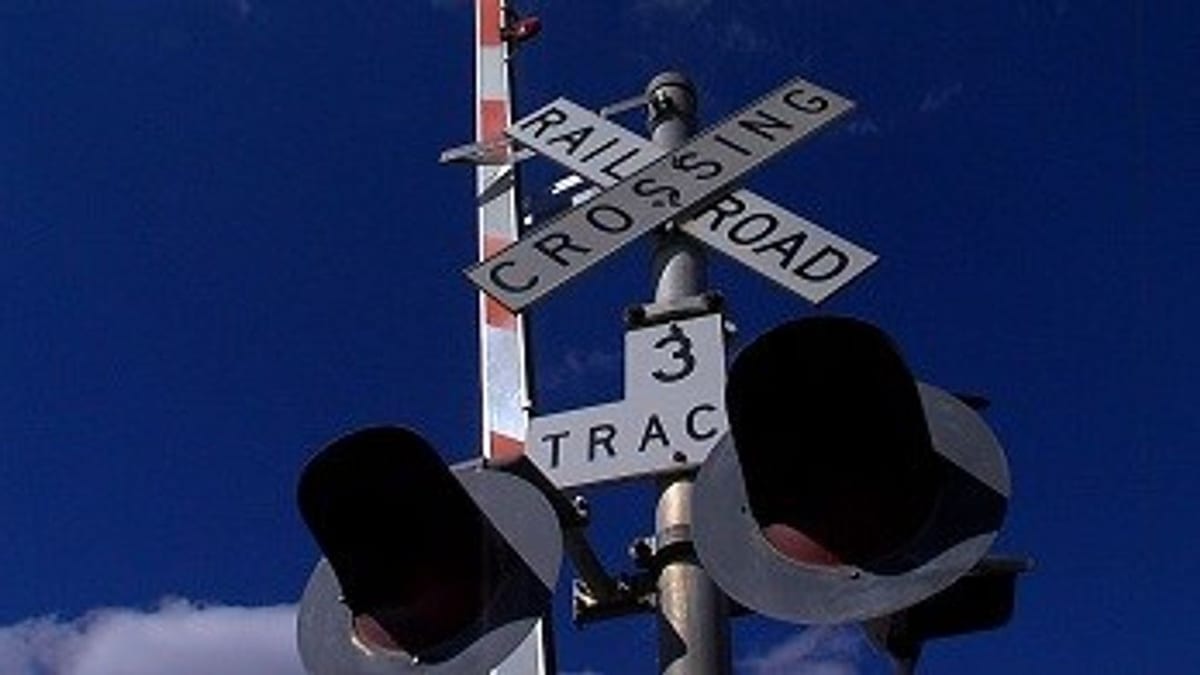
Morning collision at rural Lancashire crossing
Reports indicate that the crash occurred on the morning of 25 June 2026 at a level crossing on Station Road in Hoghton, a small village on the line between Preston and Blackburn. Coverage from regional outlets describes how a car on the crossing was struck by a passing passenger service, triggering a major emergency response and prompting the immediate suspension of rail services through the area.
Images shared by local media show the car severely damaged near the tracks and multiple emergency vehicles positioned close to the crossing. The train involved appears to have remained upright, with damage concentrated near the front of the formation. Rail services on the route were disrupted for several hours while investigators examined the scene and the line was checked for damage.
Publicly available information states that the driver of the car, identified in tributes as local resident and mother Kerry Coombes, died at the scene. Her young daughter, who was also in the vehicle, was taken to hospital in a critical condition. The circumstances of how the car came to be on the crossing as the train approached remain the focus of ongoing investigations.
Investigations and safety scrutiny
According to published statements from rail and policing bodies, a formal investigation has been opened to determine the sequence of events and any technical or human factors that may have contributed to the collision. Specialists in rail operations and level crossing design are expected to examine signalling data, on-train recordings and witness accounts to build a detailed timeline.
Coverage in regional investigative outlets notes that the Station Road site is a half-barrier level crossing, where barriers lower on one side of the road rather than forming a full physical closure. Publicly available documents suggest that such layouts are assessed as carrying a higher inherent risk than fully protected crossings, although they remain common across Britain’s rail network, particularly in rural and semi-rural locations.
Reports also highlight that local residents had previously expressed concerns about the operation of the crossing, including the perceived short interval between warning lights activating, barriers lowering and trains passing through. At this stage, there is no published official finding linking any specific technical issue to the Hoghton collision, and investigators have not released conclusions about whether the equipment functioned as intended on the day.
Community grief and calls for change
The death of Kerry Coombes has prompted a wave of tributes from family, friends and neighbours, many of which have been reported by regional broadcasters and newspapers. Descriptions shared publicly portray her as a much loved mother and member of the local community, with messages of support and fundraising efforts emerging for her injured daughter.
In the days following the crash, local representatives and campaigners cited the incident as evidence of the need to review safety at Station Road and at similar half-barrier crossings across Lancashire. Some have urged that the Hoghton site be prioritised for upgrades such as full barriers, additional warning systems or, in the longer term, a bridge or underpass to separate road and rail traffic.
Public commentary captured in local coverage reflects a mix of grief and frustration, with residents describing the collision as a feared scenario at a location where fast trains pass close to homes and narrow roads. Others have emphasised the importance of avoiding speculation until formal findings are released, while still pressing for a broader conversation about improving level crossing safety.
Level crossing risk in focus
The Hoghton crash has renewed national attention on the safety of level crossings, where road users share space with railway lines at the same level. Historic and recent investigations in the United Kingdom and abroad have identified road-vehicle incursions on to crossings as a persistent source of serious accidents, particularly where traffic volumes are high or sightlines are constrained.
Safety authorities and rail infrastructure managers regularly highlight that modern crossings are designed with multiple layers of protection, including lights, audible warnings and physical barriers. However, past investigations into collisions at other locations have often found that a combination of driver behaviour, local road layouts and the timing of crossing equipment can still lead to vehicles being on the tracks when a train arrives.
According to technical and academic studies, options to reduce risk range from incremental changes, such as revising warning times and signage, to major infrastructure projects that eliminate crossings entirely by separating roads and rails. These measures can be complex and costly to deliver, but each high-profile collision tends to feed into the case for targeted investment where risk is judged to be greatest.
Next steps on the Hoghton line
Publicly available information indicates that, after the initial emergency response, engineers undertook inspections of the track, signalling and overhead equipment on the line through Hoghton. Train services later resumed, but the crossing itself remains subject to closer monitoring as formal inquiries progress.
The findings from the investigation are expected to be scrutinised not only by national rail safety bodies but also by local communities along the route. Outcomes could include recommendations ranging from operational changes at Station Road to physical modifications of the crossing, as well as wider lessons for similar half-barrier installations elsewhere on the network.
Until those findings are published, the collision at Hoghton level crossing stands as a stark reminder of the vulnerability of road users and train passengers when road and rail intersect on the same level. For residents of the village, the incident has turned an everyday piece of local infrastructure into the scene of a personal and collective tragedy, and placed renewed attention on how such risks are managed across the wider rail system.