


More news on this day
A minor freight train derailment in Oil City left a rail crossing blocked and traffic rerouted, as road users watched a single train car lean off the tracks while rail crews moved in to clear the scene.
Get the latest news straight to your inbox!
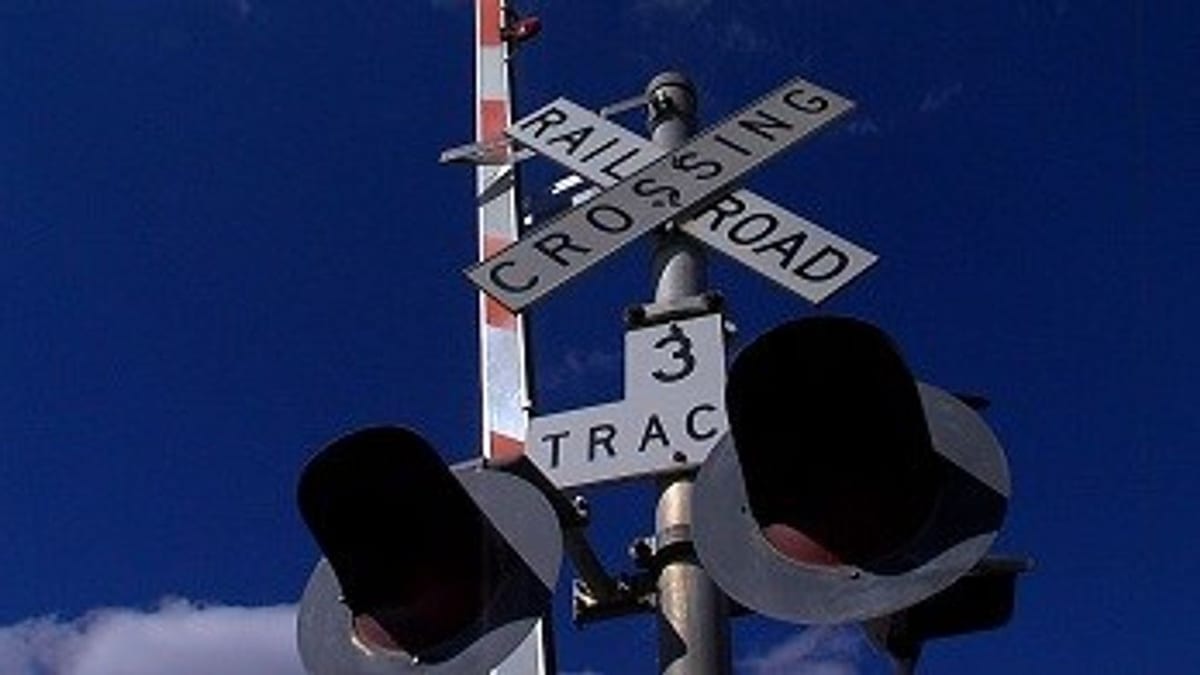
Single rail car off the tracks, crossing obstructed
Reports from Oil City indicate that a freight train experienced a minor derailment involving a single car, which ended up off the rails while the rest of the consist remained upright. The incident occurred at a grade crossing used by local traffic, immediately blocking vehicles in both directions.
Images shared through local and regional outlets show the derailed car sitting at an angle beside the track, with the wheels no longer aligned on the rails. Motorists approaching the scene were forced to turn around or wait as the crossing remained impassable, with crossing gates and warning lights still activated as a precaution.
Initial information available publicly does not point to any hazardous materials release or injuries. The affected car appears to be a standard freight wagon rather than a tank car, and there are no visible signs of fire, smoke, or leaking product in early footage.
While the incident is being characterized as relatively minor from a safety standpoint, the position of the car directly over the crossing created an immediate disruption for nearby neighborhoods that rely on the route for day-to-day travel.
Traffic backups and detours for local drivers
Once it became clear that the derailed car would not be moved quickly, drivers in Oil City began seeking alternate ways around the blocked crossing. Vehicles turned into side streets, used residential roads, or waited in long lines as traffic built up on either side of the obstruction.
In smaller communities where river, rail, and hillside terrain limit the number of east-west or north-south routes, a single blocked grade crossing can have outsize effects. Local experience mirrors what has been documented in other towns: school runs, commutes, and deliveries can all be thrown off schedule when a train stalls or derails at a street intersection.
Publicly available coverage of similar cases in the region shows that motorists commonly report wait times of 20 minutes or more when crossings are blocked, with some drivers choosing to make lengthy detours to reach work, shops, or medical appointments. In Oil City, early observations suggest that many residents opted for diversion routes as it became clear that the blocked crossing would remain closed while rail crews assessed the situation.
For emergency responders, blocked rail intersections can also complicate routing, particularly if fire, police, or ambulance vehicles need to reach addresses on the opposite side of the tracks. There were no immediate indications in this case of emergency services being delayed, but the episode highlights recurring questions about redundancy in local street networks.
Railroad crews work to re-rail car and inspect track
Shortly after the derailment, railroad response teams began arriving with specialized equipment used to stabilize and re-rail a car. Publicly available industry guidance describes a step-by-step process that typically starts with securing the site, confirming that no hazardous cargo is involved, and making sure the train is immobilized before heavy lifting begins.
In most minor incidents of this type, crews use hydraulic jacks, cribbing, and re-railing tracks or ramps to lift the wheelsets and guide them back onto the rails. Each move is carried out slowly to avoid further damage to the running gear or track structure. At the same time, track inspectors examine ties, fasteners, and rail joints in the immediate area for signs of cracking, misalignment, or impact damage.
Published accounts of comparable derailments in other towns show that even when only one car leaves the rails, the recovery operation can run for several hours. Once the car is re-railed or removed, the track must be tested and cleared for use, often at reduced speeds initially, before normal freight operations resume.
For Oil City residents, that means the crossing is likely to remain closed until rail personnel are satisfied that both the track and the affected car are safe. As of the most recent updates, there is no publicly available timeline for full reopening, although minor derailments at crossings often clear within the same day.
Recurring issue of blocked crossings in rail communities
The Oil City incident adds to a growing list of rail-related disruptions in North America that, while not catastrophic, have significant local impacts. Recent months have seen several derailments and stalled trains block key crossings, resulting in traffic snarls and renewed discussions about how communities and railroads share space.
Transportation research and federal safety data point out that large-scale, high-speed derailments involving hazardous materials remain relatively rare events. However, smaller derailments, equipment issues, and trains that come to a stop across roadways are far more common. These blockages collectively account for thousands of hours of lost time and recurring frustration for drivers across the country each year.
Community conversations following similar incidents often focus on practical measures: improved advance warning systems for drivers, better coordination between railroads and local governments, and, in some cases, long-term projects such as overpasses or underpasses that separate road and rail traffic. Such projects can be costly and slow to advance, but they are frequently cited as the most reliable way to prevent local roads from being cut off when something goes wrong on the tracks.
In Oil City, the latest blockage is likely to renew attention on how rail operations intersect with everyday life in a town built around rivers, hillsides, and long-established tracks. For many residents, the sight of a single derailed car resting across a crossing serves as a reminder that even minor rail incidents can reverberate quickly through local streets.
What drivers can do when a crossing is blocked
While railroads and safety agencies focus on preventing derailments, motorists still face the immediate question of what to do when a crossing is blocked. Public safety guidance encourages drivers to remain patient, avoid weaving around lowered gates, and use designated detour routes rather than cutting through private property or attempting dangerous U-turns near the tracks.
Experts also stress the importance of keeping crossings clear even when trains appear to be stationary. Vehicles should never stop on the tracks or within the crossing zone, in case the train begins moving unexpectedly or another train approaches from the opposite direction.
Many crossings are equipped with small blue signs that list a unique crossing number and an emergency telephone contact. If a vehicle becomes stuck on the tracks or if a crossing is blocked in a way that creates a safety risk, drivers can use this information to alert the rail operator directly and request assistance.
For Oil City and similar communities, awareness of these basic steps can help reduce risk while railroads work to maintain infrastructure and respond to incidents like the single-car derailment now blocking one of the city’s crossings.