


More news on this day
Rail passengers in East Yorkshire experienced significant disruption after emergency services were called to an incident on the line, prompting cancellations, diversions and delays across the regional network.
Get the latest news straight to your inbox!
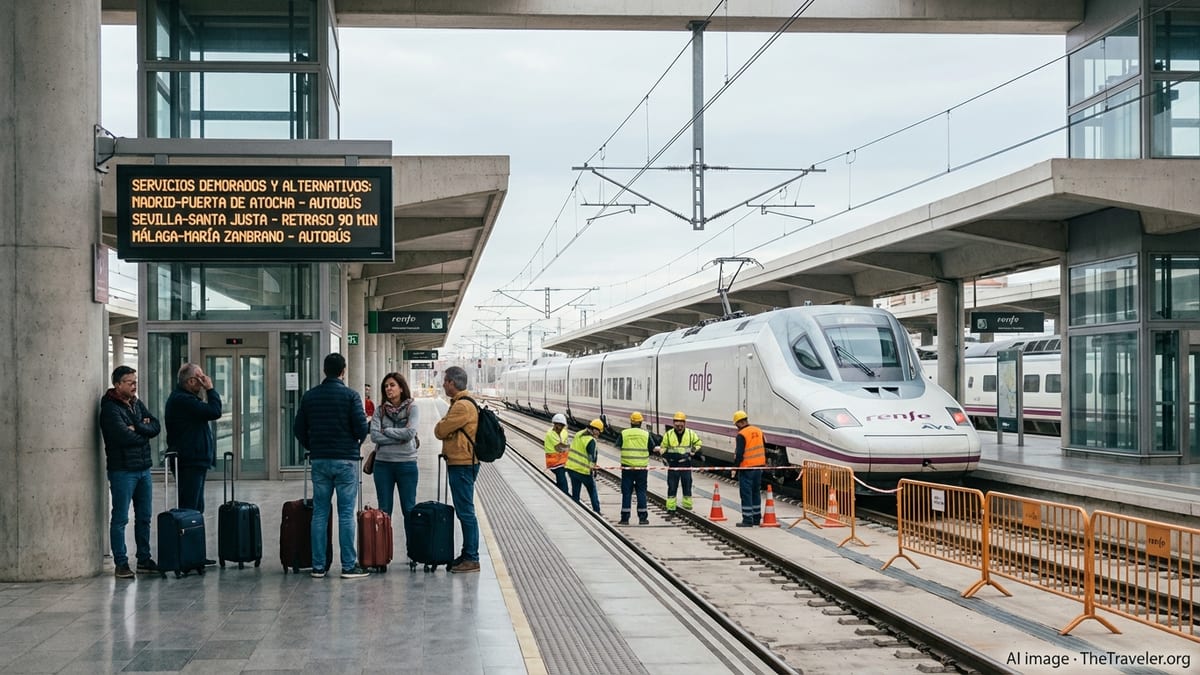
Incident prompts emergency response on East Yorkshire line
According to early regional reports on Sunday, services through parts of the East Riding of Yorkshire were heavily affected after an incident on the railway led to an emergency response. Initial information indicates that the line was blocked while crews attended the scene, forcing train operators to suspend or reroute services for several hours.
Details of the incident itself remained limited at the time of publication, with publicly available information focusing primarily on the impact to passengers rather than the underlying cause. Coverage from local outlets and rail information services referred to emergency services on site and a request for passengers to avoid the area while the response was underway.
The line involved connects several important East Yorkshire communities with Hull and the wider national network, meaning that disruption quickly spread beyond the immediate area of the incident. Operators advised passengers to check live journey planners and station departure boards before setting out, as services could be cancelled at short notice or run with substantially extended journey times.
By later in the day, some trains were reported to be running again, but knock-on delays and short-notice alterations were continuing as the timetable recovered. Rail analysts noted that a relatively short period of blockage on a busy corridor can take many hours to unwind, particularly when there is limited capacity to turn or overtake delayed trains.
Major disruption for passengers across the East Riding
Passengers travelling between coastal towns and inland hubs in East Yorkshire described lengthy waits at stations, with some services missing from departure boards and others showing extended estimated departure times. National rail information systems reported widespread alterations to stopping patterns, with certain trains running non-stop between key junctions to help restore the timetable.
Travel news updates indicated that replacement road transport options were limited, reflecting the rural character of large parts of the East Riding. In some cases, rail users were advised to seek alternative routes via larger hubs or to postpone non-essential journeys until services stabilised.
For those needing to travel, journey planners showed extended routings via neighbouring counties, sometimes involving multiple changes and substantial additional journey time. At peak periods this placed additional pressure on already busy trains, a familiar pattern for regular users of the region’s rail network whenever there is an unexpected line blockage.
Industry commentators pointed out that East Yorkshire’s rail corridors, while not as intensively trafficked as the main intercity routes further south, still play a crucial role for commuters, students and leisure travellers. Disruption on a weekend or at the start of the working week can therefore have a noticeable impact on local events, tourism and connections to longer-distance services.
Context of wider rail disruption in recent weeks
The latest East Yorkshire incident comes against a backdrop of recent high-profile rail disruption elsewhere in England, where major emergencies have led to full line closures and prolonged timetable changes. National media coverage in June has highlighted the vulnerability of key routes when a single serious event affects critical infrastructure.
In that context, rail commentators suggest that even incidents that are quickly resolved can trigger renewed questions about resilience, diversionary routes and the ability of operators to keep passengers moving. The East Yorkshire disruption, while more localised, feeds into a wider conversation about how regional lines are managed when unexpected events take place.
Publicly available information shows that infrastructure managers and train companies routinely review their contingency plans after such events, assessing how quickly information reached passengers, whether alternative routes were clearly signposted and how effectively replacement transport was organised. Observers note that this process often leads to incremental changes rather than dramatic redesigns, but can still improve the passenger experience during future incidents.
Travel commentators also emphasise the importance for passengers of checking real-time updates from national rail information services and individual train operators, particularly during periods of wider disruption. Static timetables, whether printed or saved online, can rapidly become out of date when an incident unfolds.
Advice for travellers planning East Yorkshire journeys
For travellers planning rail journeys in and around East Yorkshire over the coming days, reports indicate that services are expected to run, but with the possibility of residual delays or short-notice alterations while timetables are reset. Passengers are being encouraged through public travel updates to allow extra time, especially when making connections to long-distance trains.
Regular users of the line are advised to check early-morning services carefully, as the first wave of departures after a disruption can be particularly vulnerable to changes. Where possible, those with flexible plans may wish to travel slightly earlier or later than usual to avoid the busiest trains and reduce the risk of missed connections.
Rail commentators recommend that passengers pay attention not only to departure times but also to platform changes and revised stopping patterns, which may differ from normal schedules even after the main blockage has been cleared. In some situations, a train may run non-stop between certain stations to help reset the service pattern, requiring travellers to adjust their plans.
For visitors to the area, including holidaymakers heading to the East Yorkshire coast, travel writers often suggest building a degree of flexibility into itineraries, particularly when connecting from intercity services. Allowing extra interchange time at key hubs and checking live information before leaving accommodation can help minimise the stress caused by unexpected disruption.
Calls for continued focus on regional rail resilience
The disruption in East Yorkshire has renewed attention on the resilience of regional rail infrastructure that supports both local communities and the visitor economy. Commentators point to the importance of reliable connections for seaside resorts, market towns and rural areas that rely on rail links for tourism, commuting and access to services.
Publicly available commentary from transport analysts frequently highlights the challenges of operating mixed-traffic lines where local stopping services share tracks with longer-distance trains. When an incident blocks such a corridor, the options for rerouting traffic can be limited, magnifying the impact for travellers.
Discussions within the wider rail sector often focus on measures such as improved real-time information, additional staff on the ground during disruption and closer coordination between neighbouring operators. While these steps cannot prevent incidents from happening, they are seen as critical to managing their consequences and helping passengers complete their journeys with as little inconvenience as possible.
For now, reports from rail information services suggest that services in East Yorkshire are gradually returning towards normal patterns, although passengers may continue to experience some delays and alterations as timetables are adjusted. Travellers are being encouraged through publicly available guidance to continue checking live updates before and during their trips.