


More news on this day
Hundreds of travelers were left stranded at Hartsfield Jackson Atlanta International Airport on June 17 as a new wave of disruptions triggered more than 180 flight delays and at least 13 cancellations, snarling Southwest, Delta Air Lines, regional partners and international services bound for major US cities and popular leisure destinations.
Get the latest news straight to your inbox!
Major Hub Disruption Ripples Across North American Routes
According to publicly available tracking data and aggregated aviation reports for Monday, June 17, Atlanta recorded more than 180 delayed departures and arrivals alongside 13 outright cancellations. The disruption hit during a busy early summer travel period, amplifying the impact at what is routinely one of the world’s busiest passenger hubs.
Northbound routes to Chicago and other Midwest cities were among those affected, with passengers reporting missed connections and rolling schedule changes throughout the day. Flights to Las Vegas, a key leisure route from the Southeast, also experienced extended delays, leaving travelers stuck in crowded gate areas or holding off on boarding as revised departure times continued to shift.
Operational strain at a hub the size of Atlanta can quickly spill across the network. Because many domestic flights are timed to feed banked departures, even moderate disruptions can cause a cascade of missed onward connections, last minute rebookings and crew shortages that compound over the course of the day.
Public flight boards and third party status tools indicated that while many aircraft were ultimately able to depart, a significant portion of services left well behind schedule, pushing some itineraries into the late night and early morning hours.
International Leisure Passengers Face Long Waits
The disruptions were not limited to domestic traffic. Publicly available schedules showed knock on effects for passengers bound for popular beach destinations such as Punta Cana in the Dominican Republic and Cancún in Mexico, as well as long haul travelers connecting from Atlanta to Incheon in South Korea and other overseas gateways.
For leisure travelers, delays out of Atlanta can be especially painful. Many package itineraries to Caribbean and Mexican resorts rely on tightly timed charter or codeshare services, meaning late departures from the United States can cause missed ground transfers, shortened resort stays or last minute hotel rearrangements at the destination.
Connections to Incheon and other transpacific hubs are similarly vulnerable to disruption. Long haul departures generally operate in limited daily windows, so a delay of several hours at the origin can mean losing an entire travel day if a connection is missed, particularly for travelers originating in smaller US cities who rely on Atlanta as their sole link to Asia.
Travel industry observers note that, as peak summer holiday travel ramps up, disruptions on heavily leisure oriented corridors tend to generate higher volumes of stranded passengers inside terminals. Families and group travelers are more likely to be moving with checked baggage, children and tight resort check in windows, which complicates rapid rebooking when flights slip off schedule.
Southwest, Delta and Regional Partners Under Pressure
Atlanta’s role as a primary hub for Delta Air Lines meant that the carrier and its regional affiliates absorbed a substantial share of Monday’s disruption. Public flight data compiled through multiple tracking platforms showed scores of Delta branded services operating with significant delays, including departures to key domestic spokes and several international leisure routes.
Southwest Airlines, which operates a sizeable schedule at Atlanta alongside its other domestic bases, also contended with congestion and schedule changes. Travelers reported extended waits at check in and gate areas as crews worked to turn aircraft and adjust boarding times around changing slot availability and aircraft positioning.
Smaller and regional operators that route flights through Atlanta for onward connections were indirectly affected as well. When large network carriers adjust their banks or ground certain rotations, regional partners often lose tight connection windows, forcing passengers onto later departures or alternative routings through other US hubs.
Publicly shared analyses of recent disruption patterns emphasize that even a relatively contained cluster of delays at a mega hub can rapidly propagate through multiple airlines’ schedules. Aircraft and crews that arrive late into Atlanta frequently depart late again, sending knock on delays downline to secondary airports for the rest of the day.
Passengers Confront Crowded Concourses and Limited Options
Travelers at Hartsfield Jackson described packed terminals, long queues at service counters and difficulty securing alternative flights as the day’s disruptions accumulated. In a hub where many departures already operate near capacity in the summer, a modest number of cancellations can quickly leave rebooking options thin, particularly for those traveling to highly sought after leisure destinations.
Published consumer travel guidance notes that passengers caught in rolling delay situations often face challenging choices between waiting out repeatedly revised departure times at the gate, accepting overnight accommodations and next day rebookings, or attempting complex reroutes through other hubs that may themselves be strained.
Families and international travelers are frequently among the hardest hit. When journeys involve multiple legs or cross border entry formalities, unexpected overnight stays can require additional visa checks, revised ground transport and re coordination of hotel reservations. Some passengers reported needing to adjust onward cruise departures and resort bookings as it became clear that original arrival times were no longer feasible.
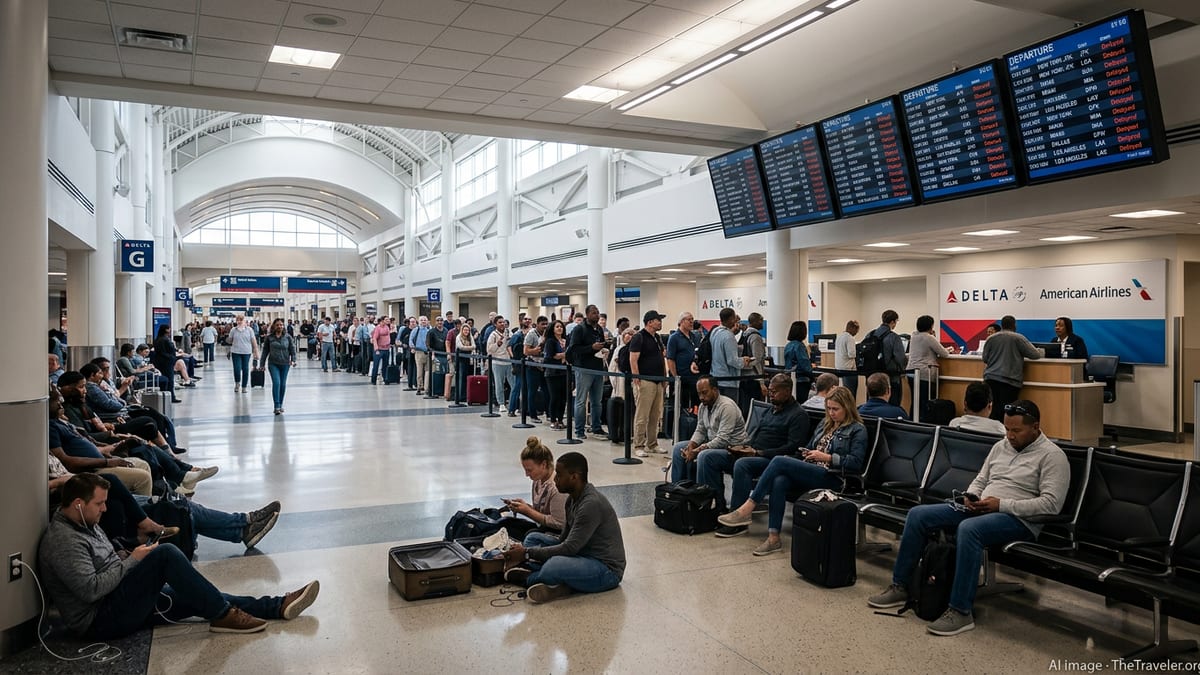
Scenes of travelers sleeping in seating areas, working from floor outlets, and forming long lines at food concessions and restrooms have become common during major disruptions at large US hubs. Monday’s situation in Atlanta appeared to follow a similar pattern, with photos from inside the terminal showing congested concourses and departure boards dense with delayed listings.
What Travelers Should Know as Summer Disruption Risks Rise
While precise causes for individual delays and cancellations on June 17 vary by airline and flight, aviation analysts frequently point to a combination of operational constraints, staffing imbalances, aircraft maintenance requirements and volatile summer weather as key drivers of recurring disruption at major hubs such as Atlanta. When these factors converge on a high volume travel day, the result can be a rapid degradation of on time performance.
Travel experts advise that passengers connecting through large hubs build in generous layover times wherever possible, particularly when traveling onward to international destinations or time sensitive events. Monitoring flight status across multiple platforms, enrolling in airline text alerts and securing backup hotel options near the airport are also recommended strategies during periods of elevated disruption risk.
For those already caught in the June 17 disruptions, the focus turned to getting out of Atlanta by any available means, whether by accepting later same day departures, overnight rebookings, or alternate routings through other US cities. Some travelers opted to abandon flight plans altogether in favor of rental cars or intercity ground transport on shorter regional journeys.
With the busy summer season now underway, the episode at Atlanta underscores the ongoing fragility of tightly scheduled airline networks. A single day of concentrated delays and cancellations at a key hub can have far reaching consequences for travelers headed to destinations as varied as Chicago, Las Vegas, Punta Cana, Cancún and Incheon, reinforcing the need for flexibility, contingency planning and realistic expectations about on time performance.