


More news on this day
Holidaymakers heading to Spain’s busiest beach destinations this summer are being urged to brace for long queues, tighter border checks and possible disruption at major resort airports, as aviation specialists highlight a “worrying” build-up of pressure on the country’s already stretched infrastructure.
Get the latest news straight to your inbox!
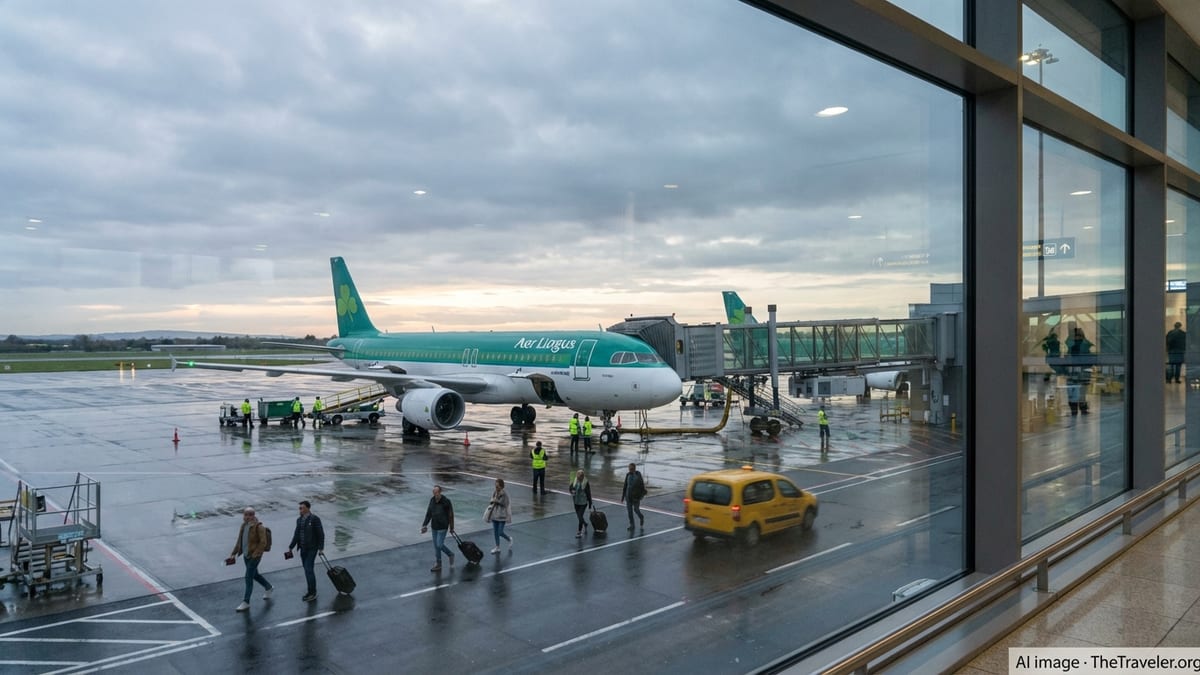
Spain’s resort airports under intense summer pressure
Spain remains the top European holiday destination for British and Irish travellers, with passenger numbers to Mediterranean hotspots such as the Balearic and Canary Islands reaching or exceeding record levels in 2026. Tourism data from Spain’s national agencies indicates that international arrivals have continued to climb this year, with the islands alone handling nearly seven million international passengers in the first half of the year.
This surge is particularly visible at gateway airports serving classic beach destinations. Palma de Mallorca, Ibiza, Menorca and Malaga all report strong growth in visitor traffic, with airlines adding extra frequencies and larger aircraft on peak leisure routes. Industry analysis describes Spain as heading into “one of the busiest summers on record” for UK and Irish tourism, intensifying pressure on airport facilities and staffing.
While strong demand is welcome for local economies, aviation experts point out that such sustained growth can expose weak spots in airport operations. Border control, baggage handling, and stand availability are all areas where relatively small delays can quickly cascade into longer waiting times and missed onward connections, particularly during school holidays and bank holiday peaks.
Spanish regional governments, especially in the Balearic Islands, have also been debating how to balance booming visitor numbers with quality of life for residents. Policy discussions around potential caps on flights during the most congested weeks underline how close some resort airports are running to their operational limits in high season.
New EU border checks create risk of long queues
The main cause for concern highlighted by aviation specialists this summer is the rollout of the European Union’s new Entry/Exit System, which introduces biometric passport checks for many non-EU travellers entering the Schengen area. Spain, one of Europe’s most visited countries, is central to this change, as millions of British holidaymakers now fall into the “third country” category after Brexit.
Industry briefings and travel-sector commentary report that Spain’s preparations for the system have lagged behind rising demand. Trade publications and airline statements point to a lack of fully operational kiosks, limited space for new control points, and staffing levels that struggle to keep up at peak times. Aviation commentators warn that the combination of unfamiliar procedures and heavy holiday traffic could result in extended queues at passport control.
Reports from recent bank holiday periods describe hour-long, and in some cases multi-hour, lines forming at border checkpoints in major Spanish airports. Travellers have shared accounts of crowded arrival halls and slow-moving queues, even where additional temporary staff have been deployed. Analysts say that these conditions offer a preview of what could happen if biometric checks are not carefully managed as full implementation progresses.
Aviation experts emphasise that such delays are not simply an inconvenience. When queues at border control extend far beyond planned processing times, aircraft turnaround schedules can be disrupted, crew duty hours can be exceeded, and later flights in the daily rotation can suffer knock-on delays or last-minute stand changes.
Aviation industry voices alarm over “worrying trend”
Within the industry, the strongest public warnings have come from airlines serving Spanish leisure routes. One major low-cost carrier, which operates extensive networks from the UK and Ireland to Spain, has issued multiple statements urging the Spanish government to postpone the full rollout of the new border regime until after the summer peak, citing “hour-long passport control queues” at airports popular with holidaymakers.
Travel and aviation specialists quoted in regional Spanish media have singled out the Balearic Islands as a potential flashpoint. Palma de Mallorca, in particular, is frequently mentioned as at risk of severe congestion at border checks if systems and staffing do not keep pace with tourist demand. Commentators say that while the airport has modern infrastructure and high capacity, the combination of simultaneous arrivals from several large aircraft and slower biometric processing could quickly overwhelm arrival halls.
There have also been concerns raised about the experience of British residents in Spain who hold local foreign identity cards but are still subject to extensive checks at some airports. Advocacy groups and local associations on islands such as Ibiza have drawn attention to what they describe as a “worrying” pattern of long waits and inconsistent treatment at passport control for third-country nationals, even those with legal residency.
Aviation-focused publications note that these operational strains are emerging at the same time as broader geopolitical and economic pressures on the sector, including higher fuel costs and tight airline schedules. Experts argue that, taken together, these factors amount to a trend that could increase the likelihood of last-minute cancellations, significant delays and frayed tempers at already crowded holiday airports.
What travellers heading to Spain should expect
For UK and Irish visitors planning trips to Spanish beach destinations over the coming weeks, the most immediate impact is likely to be at arrival and departure checkpoints. Travel industry guidance suggests that travellers should be prepared for longer than usual waits at passport control, especially at peak times such as weekend mornings, late-night waves and changeover days for package holidays.
Families with young children and travellers with reduced mobility may feel the impact of long queues most acutely. Consumer-facing reports from recent peak travel days describe assisted-travel passengers waiting in the same congested areas as other travellers, with limited seating and few opportunities to bypass biometric checkpoints. Aviation experts warn that this can create particular challenges for those who rely on pre-booked airport assistance.
Check-in and security processing may also be slower than many travellers remember from pre-pandemic summers, not only because of higher passenger volumes but also due to tighter documentation checks for non-EU nationals. Airlines are reminding passengers to arrive well ahead of their scheduled departure times, with some recommending at least three hours for short-haul flights to popular Spanish resorts.
On the airside, tight turnaround schedules and packed slot allocations mean that relatively minor delays can rapidly build into longer waits on the ground or in holding patterns. Aviation analysts suggest that passengers should expect a higher risk of schedule changes, gate swaps and late arrivals, particularly on routes that depend on a single aircraft flying multiple rotations per day between the UK, Ireland and Spanish leisure airports.
Practical steps to minimise disruption on Spanish routes
Travel experts and consumer groups are advising holidaymakers to build extra time into every stage of their journey to Spain this summer. That includes allowing for potential queues at airline check-in, security and, crucially, passport control on arrival. For connecting itineraries, especially those involving separate tickets, a wider margin between flights is recommended to reduce the risk of missed onward travel.
Passengers are also being encouraged to complete any available pre-departure formalities well in advance, such as ensuring passports are valid for the required period and that any necessary residency or visa documentation is easily accessible for inspection. Having all paperwork ready can help keep queues moving and reduce the chance of additional questioning at border checks.
For those yet to book, some aviation analysts suggest considering flights at off-peak times of day where possible, avoiding the busiest weekend waves and early morning bank holiday departures that are most prone to bottlenecks. Smaller regional airports, both in the UK and in Spain, may in some cases offer a calmer experience than major hubs, though this can vary widely depending on staffing and schedule concentration.
Above all, industry observers stress the importance of monitoring airline and airport communications closely in the days before travel. With aviation specialists warning that Spain’s resort airports are entering one of their most challenging summers in recent years, flexible planning and realistic expectations may prove essential for anyone heading to the country’s top coastal holiday destinations.