


More news on this day
Two people were killed and at least a dozen others injured when a passenger bus slammed into a stranded truck on a highway in Bogura district of northern Bangladesh, according to local media reports and publicly available information from road safety groups.
Get the latest news straight to your inbox!
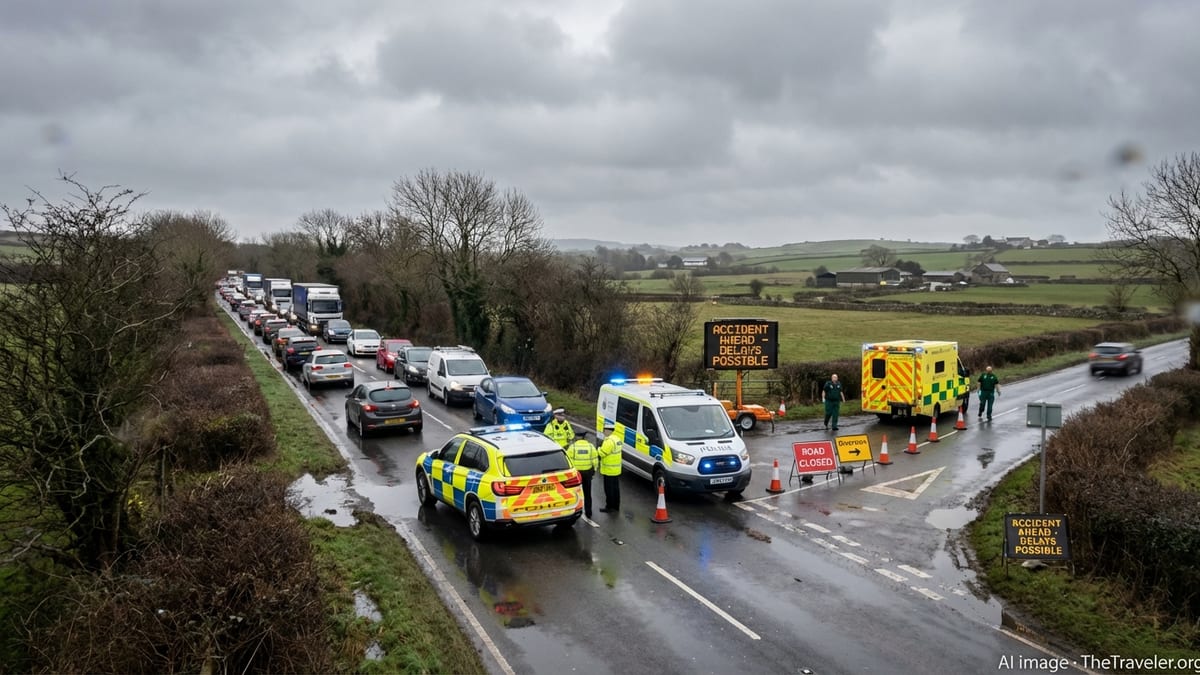
Collision on Busy Highway Leaves Two Dead
Reports indicate that the crash occurred on a key regional route in Bogura district when a long-distance passenger bus travelling toward the capital struck a truck that had come to a halt on the roadway. Initial coverage from Bangladeshi news outlets states that the truck was stationary in a live traffic lane at the time of impact.
Local reports describe significant front-end damage to the bus and a heavily crumpled rear section of the truck. Two people, believed to be traveling in the bus, died from their injuries soon after the crash, while other passengers were rushed to nearby hospitals for treatment.
Publicly available information suggests that visibility conditions were relatively normal at the time, increasing scrutiny on speed, following distance, and the placement of the disabled vehicle. Images circulated by regional media show debris scattered across the carriageway and emergency responders working to remove injured passengers from the wreckage.
The deadly incident adds to a long-running pattern of serious road crashes involving buses and heavy trucks in Bogura, a district that lies along several of Bangladesh’s most heavily used inter-district corridors.
Stranded Truck Raises Questions Over Breakdown Procedures
Early descriptions from local coverage indicate that the truck had broken down or become stranded on the highway shortly before the collision. It reportedly remained in the traffic lane rather than being moved to the shoulder or a safer area, a factor that is drawing attention from road safety advocates and transport analysts.
In many parts of Bangladesh, heavy vehicles that suffer mechanical failures are left on the roadway with limited warning devices such as reflective triangles or functioning hazard lights. Transport specialists who monitor crash patterns note that rear-end impacts into stopped or slow-moving trucks are a recurring feature of serious and fatal collisions.
The Bogura crash is expected to renew calls for stricter requirements around breakdown management, including mandatory reflective signage, rapid towing services, and clearer rules for commercial operators about how long a disabled vehicle may remain in a live lane.
Observers also point out that enforcement of existing traffic codes can be inconsistent, particularly on regional highways where policing resources and roadside infrastructure such as cameras and lighting are limited.
Passengers Among Dozens Injured in Violent Impact
According to published coverage from regional newsrooms, more than a dozen passengers sustained injuries ranging from fractures and head trauma to cuts and bruises when the bus collided with the stranded truck. Some victims were reportedly taken to the main hospital in Bogura town, while others received initial treatment at smaller clinics closer to the crash site.
Road safety researchers note that occupants of inter-district buses in Bangladesh often travel without seatbelts, leaving them highly vulnerable in high-speed collisions. In rear-end crashes with heavy trucks, passengers seated toward the front of the bus typically face the greatest risk because of intrusion into the cabin.
Images and eyewitness accounts gathered by local media indicate that several windows of the bus were shattered in the impact, with some injured passengers exiting through broken glass before emergency services arrived. The force of the collision also reportedly pushed the stranded truck forward, compressing its cargo area and scattering goods along the shoulder.
Families of those traveling on the bus are expected to travel to Bogura to identify the deceased and assist injured relatives, as is common after major highway crashes on Bangladesh’s intercity routes.
Recurring Pattern of Bus and Truck Crashes in Bogura Region
The latest collision in Bogura comes against a backdrop of repeated serious road crashes in the district and across northern Bangladesh. Publicly available research and media archives document numerous cases in which buses have struck trucks, smaller vehicles, or roadside obstacles on the same regional network.
Road safety studies focused on Bogura and neighboring districts highlight a combination of factors that elevate risk, including mixed traffic of heavy trucks, long-distance coaches, three-wheelers, and pedestrians on the same carriageway. High operating speeds, nighttime driving, and limited separation between opposing flows further compound the danger.
Analysts also point to intense commercial pressure on bus operators to maintain tight schedules, particularly on Dhaka-bound routes. This can encourage aggressive overtaking, limited rest for drivers, and reluctance to reduce speed when approaching potential hazards such as stalled vehicles, intersections, or roadside markets.
Advocacy groups in Bangladesh have repeatedly urged investment in divided highways, improved lighting, and more formal lay-bys or breakdown bays where trucks can safely pull off the roadway in the event of mechanical problems.
Calls Grow for Stronger Enforcement and Infrastructure Upgrades
Following the Bogura crash, road safety campaigners and transportation analysts are again emphasizing the need for a coordinated response to reduce fatalities on Bangladesh’s highways. Their recommendations typically focus on both enforcement and infrastructure.
On the enforcement side, initiatives often proposed include stricter oversight of commercial vehicle maintenance, mandatory use of warning triangles and reflective markings on heavy trucks, and stronger penalties for operators who leave disabled vehicles in traffic lanes without adequate precautions.
From an infrastructure perspective, experts argue for better roadway lighting, clearer lane markings, and the expansion of dedicated pull-off areas for freight vehicles. They also highlight the importance of rapid medical response along major corridors so that crash victims can receive treatment within the critical first hour after injury.
As investigations into the Bogura collision continue, the deaths of the two bus passengers and the injuries to many others are likely to intensify debates over how quickly Bangladesh can implement these safety measures across its increasingly busy highway network.