


More news on this day
Travelers using Marquette/Sawyer Regional Airport in Michigan are facing schedule disruptions today as two departures are reported delayed, creating knock-on effects for regional airline connections through Detroit, Chicago and other domestic hubs, although no cancellations have yet been recorded.
Get the latest news straight to your inbox!
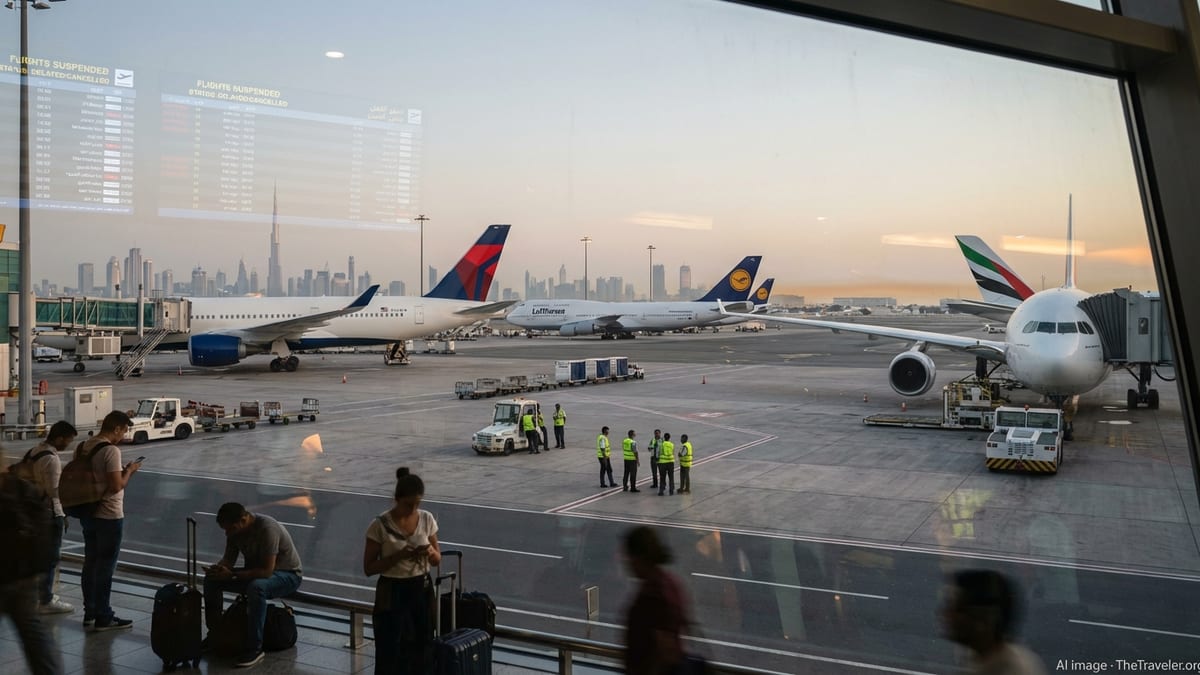
Minor Local Disruptions With Wider Network Impact
Publicly available flight-tracking data for Sunday, May 17, 2026, show two scheduled departures from Marquette/Sawyer Regional Airport listed as delayed, while all other services continue to operate without cancellations. The affected flights are understood to link Marquette with major connecting hubs, a crucial lifeline for Upper Peninsula travelers who rely on a small number of daily services to access the broader U.S. network.
Marquette/Sawyer handles a modest schedule compared with larger Midwestern airports, but each individual departure carries a high proportion of passengers connecting onward via Detroit, Chicago and other cities. When delays occur, even without cancellations, they can quickly translate into missed or compressed connection windows for travelers heading to destinations across the country.
Operational data for the airport compiled by aviation and state transportation sources underscore that Marquette/Sawyer functions as a primary commercial gateway for Marquette County and surrounding communities, with just over 1,500 scheduled flights recorded in the most recent 12‑month reporting period. In that context, two delayed departures on the same day represent a noticeable share of the airport’s limited schedule.
Available information does not indicate any safety concerns associated with the delays, and there are no indications of disruptions to airport infrastructure or local ground services. The impact is instead centered on timing and connectivity, particularly for travelers planning tight itineraries through major hubs.
Detroit and Chicago Connections Feel the Strain
The delayed departures out of Marquette/Sawyer are part of a wider regional picture in which Detroit Metropolitan Wayne County Airport and Chicago O’Hare International Airport continue to manage heavy spring traffic and periodic congestion. Flight-status dashboards for Chicago, for example, list elevated numbers of delayed arrivals and departures throughout Sunday afternoon, reflecting a busy operational day across the network.
Most jet services from Marquette feed into one of these key hubs through regional affiliates operating under larger airline brands. Industry summaries describe how carriers such as SkyWest and other regional operators fly under the banners of major airlines, linking smaller cities like Marquette to national and international networks via Detroit and Chicago. When an inbound regional flight arrives late, the effect is often felt not only by those on board, but also by passengers booked on onward departures from the hub.
Travel analysis from consumer aviation platforms notes that Detroit and Chicago have seen recurring pockets of delay this spring, driven by a mix of heavy schedules, weather variability and air traffic management measures. On a day when operations at Marquette/Sawyer are already lean, any late-running outbound service to these hubs can leave travelers with fewer alternative options if connections are missed.
While there is no indication that the two delayed Marquette flights are part of a severe weather episode or a major national disruption, the situation illustrates how even isolated timing issues at a small regional airport can cascade into missed departures in distant cities when connecting banks are tightly scheduled.
Regional Travelers Face Longer Days and Limited Alternatives
For Upper Peninsula residents, a delay of even an hour or two can translate into an unexpectedly long travel day. With only a handful of daily departures, options for rebooking out of Marquette/Sawyer are inherently limited compared with larger airports where flights depart for major hubs every hour. Travel-planning resources frequently advise passengers using small regional facilities to build extra connection time into itineraries, precisely because of these constraints.
When a delayed Marquette departure arrives late into Detroit or Chicago, passengers may find that the last feasible same‑day connection to their final destination has already left. In those cases, publicly accessible guidance from airlines and consumer-rights groups indicates that travelers are typically rebooked on the next available flight, which may not depart until the following day on certain routes.
Travel forums and prior-season coverage of Upper Peninsula air service repeatedly highlight the importance of flexibility for those flying to and from Marquette, especially in shoulder seasons when schedules are thinner. Many passengers choose early-morning departures from Marquette specifically to create a larger buffer for connections later in the day at hub airports.
Today’s pattern of two delays without cancellations aligns with that broader picture of regional travel: inconveniences measured in extra hours spent at hub airports, reshuffled plans on the ground at final destinations, and occasional overnight stays when onward flights are oversold or fully booked.
Context: A Small but Strategically Important Upper Peninsula Hub
Background data compiled by federal aviation agencies, the Michigan Department of Transportation and local economic development reports describe Marquette/Sawyer Regional Airport as a critical link for business, education, healthcare and tourism in the central Upper Peninsula. Passenger volumes have grown in recent years, supported by state and local investment in terminal improvements, runway infrastructure and air-service development initiatives.
State planning documents and regional economic briefs cite more than one hundred thousand passengers moving through Marquette/Sawyer in the most recent year of complete data, with scheduled commercial flights connecting to large hubs and a mix of general aviation and cargo activity. Although these figures are modest by national standards, they are significant in a region where long winter seasons and substantial driving distances make reliable air access especially valuable.
Public information from airport and state sources indicates that the facility has been the target of multi‑million‑dollar capital programs aimed at maintaining runways, upgrading lighting and safety systems, and supporting efforts to attract and retain additional routes. Local business groups have framed enhanced air service as essential to sustaining tourism, enabling regional employers to recruit talent and shortening travel times for residents who might otherwise face lengthy drives to larger airports.
Against that backdrop, even a small cluster of delays on key hub‑feeding flights takes on outsized importance. Residents, students and medical travelers often have limited flexibility to shift appointments or work schedules, making on‑time performance at Marquette/Sawyer an important factor in everyday life across the Upper Peninsula.
What Travelers Can Expect in the Coming Days
Forecast data from the National Weather Service for the Marquette/Sawyer area today indicate generally manageable spring conditions, suggesting that the current delays are more likely tied to operational or downstream network factors than to local severe weather. Looking ahead through the week, outlooks call for typical Upper Peninsula variability, with the possibility of showers and shifting winds that can still affect aviation, particularly for smaller regional aircraft.
Consumer aviation analysts note that as the summer travel period approaches, pressure on hub airports such as Chicago O’Hare and Detroit is expected to rise, especially during peak weekends and holiday periods. Federal regulators have already announced flight-cap adjustments and other measures at some major facilities in an effort to keep delays in check while traffic volumes climb.
For passengers booked through Marquette/Sawyer over the next several days, publicly available travel guidance recommends closely monitoring flight status, allowing generous connection times at hubs and considering earlier departures when itineraries involve tight same‑day connections. Given the absence of cancellations today, most affected travelers are expected to reach their destinations, albeit in some cases later than planned.
While Sunday’s two delayed departures represent a relatively modest disruption in numerical terms, they underscore the delicate balance that defines regional air travel across the Upper Peninsula. With only a few daily flights linking Marquette to the national network, each schedule change can have ripple effects across Detroit, Chicago and other key domestic routes, reminding travelers of the importance of planning ahead in a tightly interconnected system.