


More news on this day
The U.S. State Department has issued a rare worldwide caution for Americans traveling or living overseas, warning that the escalating conflict with Iran and its allied groups is increasing the risk of attacks on U.S. citizens and interests around the globe.
Get the latest news straight to your inbox!
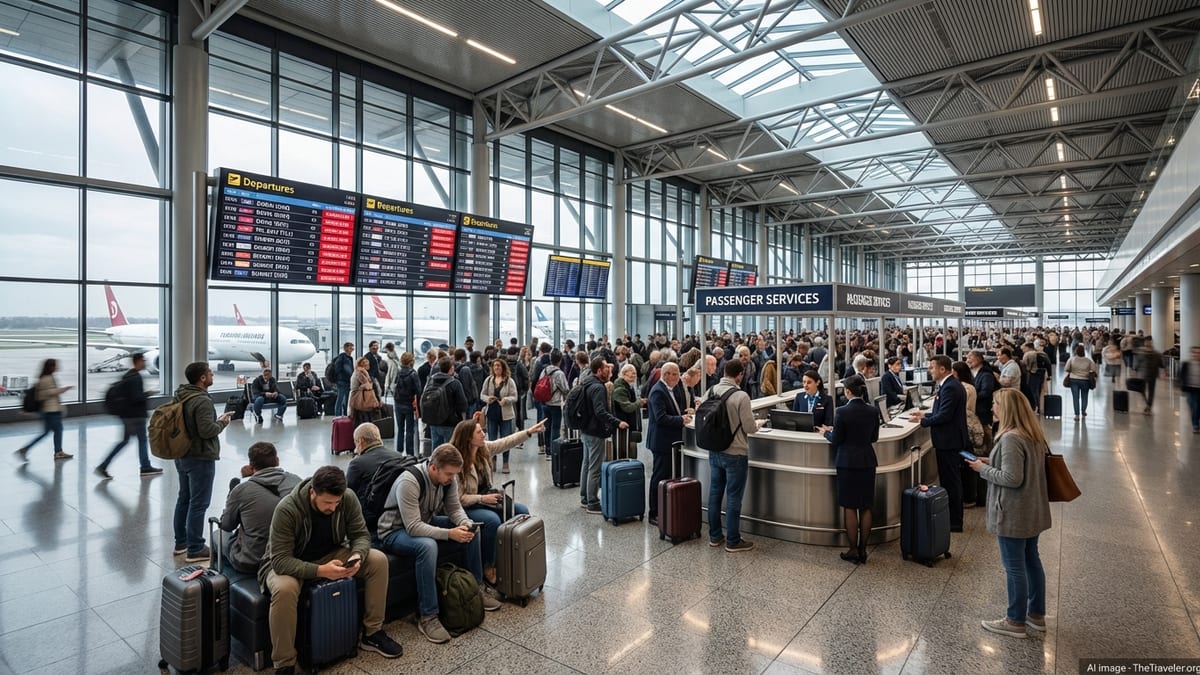
Heightened alert follows escalation in Iran conflict
The new worldwide caution, updated in mid-July, advises Americans abroad to exercise increased vigilance amid an expanding conflict between the United States and Iran. Publicly available information from the State Department describes a deteriorating security environment linked to Iran and groups supportive of Tehran, with potential threats extending well beyond the Middle East.
The alert notes that Iran-backed or pro-Iran organizations could target U.S. interests overseas or locations associated with Americans, including businesses, cultural centers and other institutions. The caution comes as reports indicate ongoing U.S. strikes against Iranian military assets and Iranian pledges to retaliate, raising fears of a broader confrontation.
Recent media coverage highlights that the worldwide caution is part of a pattern of stepped-up messaging to U.S. citizens after major geopolitical shocks. However, this latest notice is framed against an active state-on-state conflict that has already disrupted regional airspace, triggered evacuations and led to heightened security at U.S. diplomatic facilities.
Worldwide reach of potential threats to Americans
While the conflict’s epicenter remains in and around Iran, security analysts and open government reports emphasize that the risks to Americans are not confined to that region. The worldwide caution underlines concerns that Iran-aligned networks could look for soft targets in multiple regions, including Europe, Africa and parts of Asia, where U.S. travelers, companies and cultural sites are visible symbols of American presence.
Advisory materials explain that such alerts are designed to address general risk rather than specific, time-limited threats. The current notice cites the possibility of terrorist attacks, demonstrations and violence directed at U.S. citizens or facilities associated with the United States. Crowded public venues, transportation hubs, tourist areas and places where foreigners gather are highlighted in publicly available guidance as locations that may require additional situational awareness.
The caution also reflects long-standing concerns that crises in the Middle East can have global spillover effects. Instances in recent years have shown that attacks linked to regional conflicts may occur far from the original theater, sometimes targeting diaspora communities or international gatherings. Analysts note that Iran-backed and Iran-inspired groups have operated in multiple countries, occasionally probing security at diplomatic missions and commercial sites.
Impact on travel plans and destination risk levels
The worldwide caution sits on top of existing country-specific travel advisories, many of which have already been raised in response to the war with Iran. The State Department maintains a four-level advisory system, from Level 1, advising normal precautions, to Level 4, advising against all travel. Iran itself has long been listed at the highest level, with warnings regarding unrest, terrorism, kidnapping and the risk of wrongful detention for U.S. nationals.
Several other states in the wider region, including parts of the Gulf and the Levant, are now under stricter advisories because of the conflict’s spillover. Publicly accessible advisory pages for destinations such as Lebanon and Qatar already reflect heightened concern tied to armed conflict, missile and drone threats and potential disruptions to commercial flights. In some cases, non-emergency U.S. government personnel and their families have been ordered to leave certain countries as a precaution.
For ordinary travelers, the practical effect is that itineraries involving the Middle East or nearby transit hubs may face increased scrutiny and sudden changes. Airlines have previously rerouted or canceled flights when regional airspace became unsafe, stranding passengers and complicating onward travel. Travel insurance policies may also be affected, with some plans excluding coverage related to active conflicts or government advisories that reach the highest levels.
Guidance for Americans living and traveling abroad
Despite the strong language, the worldwide caution is not a blanket order for Americans to return home. Instead, it encourages U.S. citizens overseas to reassess their personal security posture, monitor local developments closely and stay alert to changing conditions. Publicly available guidance urges individuals to keep a low profile, avoid large gatherings where tensions could flare and be prepared for increased security measures at airports and other transport nodes.
Americans are also advised to review destination-specific advisories before departure and to maintain contingency plans while abroad. Official resources encourage travelers and long-term residents alike to identify safe routes, locate nearby medical facilities and keep copies of vital documents in case of sudden movement or evacuation. In recent conflicts, some governments have organized repatriation flights or overland convoys when commercial options collapsed, but such efforts have been limited and quickly overwhelmed.
For those already in higher-risk countries, experts frequently recommend having an exit plan that does not rely on a single airport or border crossing. In volatile environments, security conditions can change with little warning, and localized clashes may cut off key routes. Maintaining access to funds, secure communications and essential supplies is widely described in open-source security briefings as an important part of personal preparedness.
Registration, communication and what to watch next
The latest caution also renews attention on existing tools meant to connect U.S. citizens with consular information during crises. Public guidance stresses the value of enrolling in the State Department’s traveler enrollment programs, which can deliver security alerts by email or text and help consular staff understand where Americans are concentrated in a given country. Government portals highlight that, in major emergencies, such data can support the coordination of information and, when feasible, evacuation assistance.
Analysts observing the situation note several indicators that Americans abroad may wish to watch in the coming days and weeks. These include any further expansion of the conflict, additional strikes or missile launches involving Iran or its partners, and changes in security postures at major airports and seaports. Sudden updates to country-specific advisories, especially moves to raise a destination to Level 4 or to order the departure of U.S. personnel, are seen as significant warning signs of deteriorating conditions.
While the ultimate trajectory of the conflict remains uncertain, the worldwide caution signals that officials view the current phase as particularly volatile. For Americans living, working or traveling outside the United States, the alert serves as a prompt to reassess risk, gather reliable information and make informed decisions about both upcoming trips and day-to-day movements in their host countries.