


More news on this day
The United States has issued an urgent new climate outlook warning that a rapidly developing El Niño in the Pacific Ocean is likely to intensify into a powerful event later this year, heightening the risk of extreme heat, damaging floods, deepening drought and volatile storm seasons across much of the globe.
Get the latest news straight to your inbox!
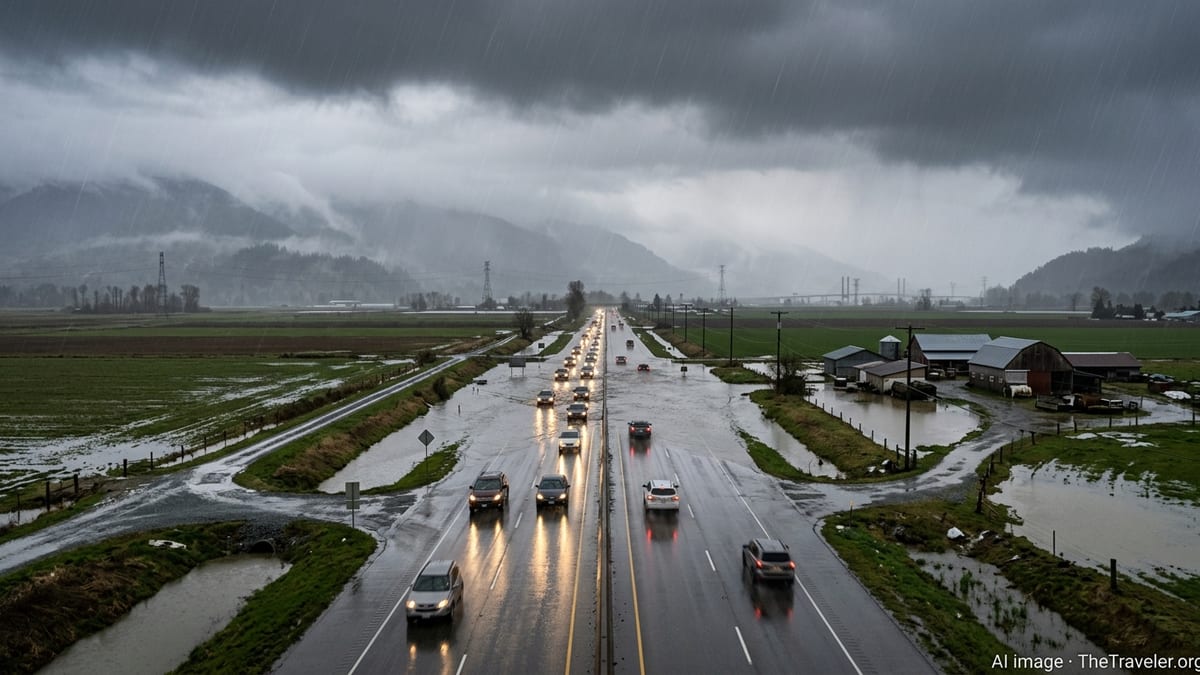
El Niño Officially Declared as Odds Rise for a Very Strong Event
Fresh analyses from U.S. climate agencies confirm that El Niño conditions have now emerged in the tropical Pacific, marking a decisive shift away from the recent La Niña pattern. Sea surface temperatures in a key central and eastern Pacific region are already above the El Niño threshold and are projected to keep climbing in the months ahead.
According to publicly available forecast discussions, model ensembles now show a strong likelihood that the current El Niño will grow into at least a strong event by late 2026. Several outlooks describe probabilities above 60 percent for a very strong phase during the Northern Hemisphere winter, a level associated with some of the most disruptive historical episodes on record, including 1997 to 1998 and 2015 to 2016.
Climate monitoring centers stress that there is still uncertainty around the exact peak intensity, but there is broad agreement that the Pacific is now primed with a large pool of subsurface warmth capable of sustaining powerful El Niño conditions. That ocean heat is expected to propagate toward the surface over the coming seasons, further reinforcing the pattern.
International assessments, including recent bulletins from the World Meteorological Organization, align with the U.S. warnings, citing an elevated probability that El Niño will dominate the global climate system through at least early 2027. Together, these updates point to an extended period in which El Niño will interact with long term global warming to amplify climate and weather extremes.
Extreme Heat Risks for 2026 and 2027 Soar
Published outlooks indicate that the combination of a strengthening El Niño and ongoing greenhouse gas driven warming is likely to push global temperatures toward new records. Several independent analyses now flag 2026 and 2027 as years with a heightened chance of rivaling or surpassing previous global heat milestones.
During past strong El Niño events, the release of stored ocean heat into the atmosphere has driven sharp spikes in global average temperature. Reports point to similar conditions emerging again, with unusually warm Pacific waters expected to supercharge heat waves on multiple continents, especially in regions that are already experiencing prolonged hot seasons.
In the United States, seasonal outlooks from federal climate centers project a high probability of above average temperatures for large parts of the country through the summer and into fall. Much of the South, West and Northeast is highlighted for significantly increased odds of hotter than normal conditions, compounding existing heat stress in major cities and rural areas alike.
Health agencies and scientific organizations warn that such persistent heat can magnify risks of heat illness, strain power grids, and worsen air quality, especially when combined with wildfire smoke. El Niño related warmth over the oceans can also contribute to marine heatwaves, threatening coral reefs, fisheries and coastal tourism economies that rely on stable sea temperatures.
Floods, Drought and Food Security Concerns Across Key Regions
El Niño events are known for shifting rainfall patterns across the tropics and mid latitudes, and current forecasts point to a familiar but intensified mosaic of potential wet and dry extremes. Seasonal outlooks suggest a greater likelihood of heavy rainfall and flooding in parts of the southern United States, the west coast of South America and some regions of East Africa.
Conversely, regions such as Australia, parts of Southeast Asia and portions of Central America often face increased odds of drought during strong El Niño years. Monitoring agencies have already begun highlighting the possibility of rainfall deficits in several of these areas, raising concerns for agriculture, water supplies and wildfire risk.
Analyses compiled by international climate and food security groups warn that this pattern of extremes could place additional pressure on global food systems. Reduced crop yields in drought affected regions, combined with flood damage in others, may destabilize markets and heighten vulnerability for communities already facing high food prices and climate related shocks.
Humanitarian organizations are using the latest El Niño outlooks to update risk maps for landslides, flash flooding and prolonged dry spells. These assessments emphasize that the emerging event is superimposed on a warmer baseline climate, which tends to intensify both heavy rainfall events and evaporation driven dryness, increasing the stakes on both sides of the hydrological spectrum.
Hurricane Seasons Face Conflicting Signals
The new El Niño signal is also reshaping expectations for tropical cyclone activity over the next one to two years. In the Atlantic, publicly available forecasts from research groups and climate centers generally anticipate somewhat below average hurricane activity, citing the tendency of El Niño to strengthen upper level winds that can disrupt storm formation and intensification.
Some seasonal outlooks for the 2026 Atlantic hurricane season now point toward a near to slightly below normal number of named storms, with a similar or reduced count of major hurricanes compared with long term averages. These projections, however, are accompanied by unusually large uncertainty ranges, reflecting the complex interplay between El Niño driven wind shear and persistently warm Atlantic sea surface temperatures.
In contrast, hurricane projections for the eastern and central Pacific indicate the potential for an active season, as El Niño typically lowers wind shear and boosts sea surface temperatures in those basins. Forecasts released by regional meteorological services and academic groups already highlight an elevated probability of more frequent and more intense Pacific storms as the event matures.
Experts in disaster risk note that even in seasons with lower than average storm counts, individual hurricanes and typhoons can still have catastrophic local impacts. El Niño related changes in steering currents and rainfall patterns can increase the threat of inland flooding, storm surge and landslides in coastal and island communities, including popular tourism regions across the Caribbean, Pacific islands and Central America.
Travel, Tourism and Infrastructure Face Rising Climate Volatility
For the global travel sector, the prospect of a strong or very strong El Niño translates into growing uncertainty across key destinations. From ski resorts that depend on reliable winter snowfall to beach destinations vulnerable to coastal flooding, the pattern is expected to disrupt traditional seasonal norms that underpin tourism planning.
In the United States, transportation hubs and tourism hot spots in the West and South may contend with more frequent heat advisories, wildfire smoke and potential power disruptions. In contrast, parts of the southern tier and Gulf Coast may experience periods of intense rainfall and localized flooding, complicating travel logistics and increasing infrastructure maintenance demands.
Internationally, projections of heavier rains along parts of the west coast of South America raise concerns for landslides, washed out roads and temporary airport closures, all of which can affect both domestic and international visitors. At the same time, the heightened drought risk in regions such as Australia and Southeast Asia may drive more severe wildfire seasons, affecting air quality and prompting temporary closures of parks and outdoor attractions.
Travel and tourism analysts are encouraging operators, airlines and hospitality providers to factor the new El Niño outlooks into contingency planning, from flexible booking policies and diversified destination portfolios to enhanced coordination with local emergency management plans. The emerging consensus from climate monitoring networks is that the 2026 to 2027 El Niño will be a defining backdrop for weather related disruptions worldwide, requiring heightened vigilance from travelers and the industries that serve them.