


More news on this day
UAE air travel remains vulnerable to knock-on delays, reroutes and occasional cancellations as Gulf tensions persist into mid-September 2026, with Emirates, Etihad Airways, flydubai and Air Arabia urging passengers to verify flight status frequently before leaving for the airport.
Get the latest news straight to your inbox!
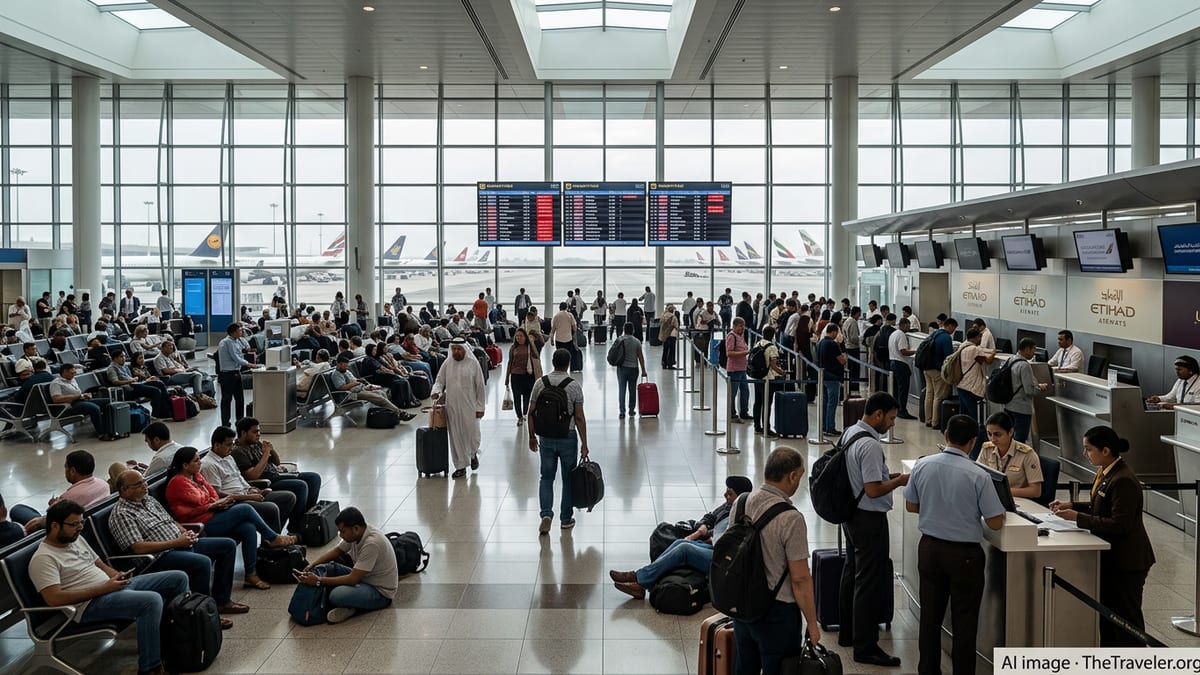
What is driving the latest wave of UAE flight delays
Published coverage and airline advisories indicate that the current disruption pattern is less about full airport closures and more about shifting airspace risk assessments, intermittent restrictions and longer routings that can cascade into late arrivals and missed connections. Dubai International (DXB) and Abu Dhabi’s Zayed International (AUH) have remained operational, but the day-to-day reliability of specific routes has varied.
European aviation risk guidance has been a key factor shaping airline decisions. Publicly available EASA conflict-zone information shows an active bulletin covering the airspace of the Persian Gulf and Gulf of Oman that is valid until September 30, 2026, reflecting continued concern about operating conditions in parts of the region.
Airlines also continue to manage operational side effects of rerouting, including longer block times and congested departure and arrival banks at major hubs. flydubai, for example, has warned that flight durations and transit times in Dubai may be longer than usual due to temporary rerouting of some flight paths.
Emirates: check flight status and expect selective route impacts
Emirates has continued to direct customers to its flight status tools and travel updates, advising travelers to monitor email notifications for last-minute changes and to confirm their departure before traveling to the airport. The carrier’s public travel updates have also highlighted that disruptions can be driven by a mix of factors beyond the Gulf security backdrop, including air traffic control issues in other regions.
In early September 2026, published reporting on DXB operations described a mix of delayed arrivals and cancellations on selected services, underscoring that disruption can be route-specific rather than network-wide. That pattern has remained consistent, with advisories emphasizing that schedules can change on short notice.
Emirates’ customer guidance has also included instructions not to proceed to the airport if a cancellation notice has been received, and to rely on direct booking communications for the most current status where app or website displays may lag operational decisions.
Etihad and Abu Dhabi operations: delays, reroutes, and passenger rights basics
Etihad Airways has continued operating from Abu Dhabi, with disruption concentrated around timing changes, occasional cancellations and knock-on effects from airspace and air traffic flow management. Recent published coverage has described periods where delays and cancellations affected UAE services, particularly when regional tensions coincided with unrelated disruptions such as air traffic control issues abroad.
For passengers trying to make decisions quickly, Etihad’s publicly available customer information outlines refund eligibility and timing in disruption scenarios. Etihad’s help pages indicate that if Etihad cancels or significantly changes a flight, passengers are entitled to a full refund, with published timelines of within 7 business days for credit card refunds and 20 calendar days for other payment methods.
Etihad also publishes a detailed summary of rights and care expectations across jurisdictions. While entitlements can vary by route, ticket type and where the disruption occurs, the airline’s published policies describe common options such as rebooking or refund in the event of a cancellation, alongside care measures in some circumstances.
flydubai: longer routings and reduced-schedule messaging still relevant
flydubai has repeatedly cautioned that temporary rerouting can lengthen flight times and affect connections in Dubai, which can amplify delays across a tightly banked schedule. Its operational updates have also urged travelers to check flight status frequently and keep booking contact details current to receive disruption notifications.
While flydubai’s most prominent “limited operations” messaging dates from earlier in 2026, the practical guidance remains similar for September: verify flight status close to departure, avoid arriving at the terminal without confirmation, and expect timings to be adjusted if flight paths shift to avoid higher-risk airspace.
For travelers connecting between flydubai and other carriers via DXB, the main risk is misaligned connections if the inbound sector is rerouted and arrives late. In those cases, rebooking options depend on the ticket conditions and whether the itinerary is on a single booking reference.
Air Arabia: watch Kuwait and nearby routes closely
Air Arabia has continued to operate on an adjusted schedule, and travelers have been urged by multiple reports and travel advisories to verify status for Gulf and near-Gulf routes where last-minute operational changes have been more common. Published coverage in early September pointed to disruption risks around specific city pairs rather than a blanket suspension.
For passengers flying between the UAE and Kuwait, several reports in September 2026 described cancellations and service adjustments affecting some Kuwait-linked flights, reflecting the heightened sensitivity of these routes to fast-changing regional operating conditions. Because the situation can evolve quickly, travelers have been advised to confirm both outbound and return segments, especially for short trips where a return cancellation can create immediate accommodation and rebooking pressure.
Across UAE carriers, the most actionable step remains the same: rely on the airline’s flight status function on the day of travel and keep contact details updated so schedule changes and rebooking instructions are delivered promptly.