


You have the tickets, the hotel, and a list of reefs or sandbars you cannot wait to explore. Then comes the question every beach traveler eventually faces: should you rent snorkel gear when you arrive, or buy your own set and pack it? The right answer depends on where you are going, how often you will snorkel, your luggage space, and how picky you are about comfort and hygiene. This guide breaks down the real trade offs, with current price ranges and concrete examples from popular destinations, to help you decide what makes sense for your next trip.
Get the latest updates straight to your inbox!
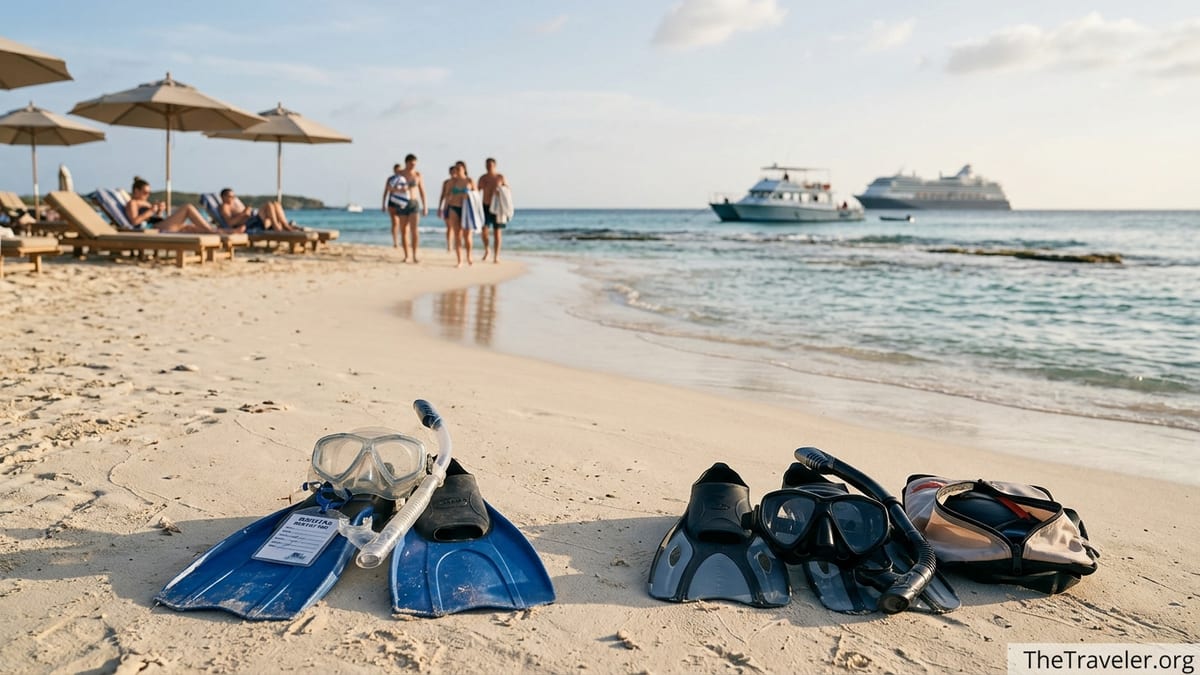
What Snorkel Rentals Really Cost in Popular Destinations
Rental prices vary widely, but you can expect a fairly consistent range across beach towns, island resorts, and cruise ports. In Hawaii, for example, smaller local shops on Kauai’s north shore advertise basic mask, snorkel, and fins packages for around 6 dollars per day or 24 dollars per week when you take them for several days at once, while premium beach outfitters on Oahu and the Big Island commonly charge 20 to 28 dollars per day for higher quality “scuba grade” snorkel sets. Beach concession stands at resort fronts may also offer half day pricing that still works out to roughly 20 to 25 dollars for a full day use.
On Caribbean islands and Mexico’s Riviera Maya, resort based rental desks usually charge in a similar ballpark. At an all inclusive in Cancun, a guest might pay 15 to 25 dollars per day for gear rented from the on site watersports hut, while independent beach clubs in places like Cozumel or Roatan often bundle gear for the day in a package price that might also include a lounger and umbrella. Even when the tag looks low for an hour or two, if you snorkel several days in a row those fees add up fast.
There are also multi day bargains. Some island rental companies specialize in weekly beach kits and quietly undercut resort counters. On Maui, for example, multi day snorkel rentals from off beach shops regularly run around 35 to 50 dollars per week per set, which is a much better value than paying 20 dollars every day at the hotel. If you know you will snorkel repeatedly, scouting these weekly deals before you go can make a major difference in your budget.
Put simply, if you plan to snorkel only once or twice for a couple of hours each time, paying the resort rate is a reasonable convenience charge. But if you imagine yourself in the water every morning of a seven day trip, the math starts to tilt toward buying your own basic kit instead of renting repeatedly.
What It Costs to Buy Your Own Snorkel Gear
Buying your own snorkel gear can be surprisingly affordable, especially if you focus on a good quality mask and snorkel first and treat fins as optional or destination dependent. Major brands that outfit dive shops, such as Cressi, produce adult mask and snorkel kits that retail in the United States for roughly 20 to 30 dollars for entry level sets and about 40 to 60 dollars for higher end, soft silicone masks with dry snorkels designed to keep water out when you duck below the surface. Travel friendly sets with short fins, like compact Palau style fin packages, typically land in the 50 to 80 dollar range at regular prices.
At a big box retailer or sporting goods chain, it is common to find mid tier snorkel combos, including a tempered glass mask and dry snorkel, in the 30 to 60 dollar range for adults and slightly less for kids. Online, large marketplaces frequently discount previous year models from dive brands, so a set listed at an 80 dollar manufacturer’s suggested price might sell for about 45 or 50 dollars. After one busy beach vacation, that purchase can end up costing less than a week of rentals at an upscale resort.
For travelers who snorkel several times a year, it often makes sense to buy a separate mask and snorkel of higher quality, then either skip fins entirely in calm, shallow bays or rent fins locally only on the days they are needed. A comfortable, low volume silicone mask might cost around 50 to 70 dollars on its own, and a good dry snorkel another 30 to 40 dollars. It is a bigger upfront investment than a budget combo, but many divers and long time snorkelers use similar equipment for years before needing to replace it.
If you think of snorkel gear as a multi trip purchase, the cost per day drops sharply. Someone who pays 60 dollars for a travel set and uses it on three separate weeklong vacations within a few years is essentially paying around 3 dollars per day for reliable, familiar equipment. Compared with 20 dollars per day resort rentals, the savings over time can be substantial.
Hygiene, Fit, and Comfort: Why Mask Quality Matters
Hygiene is one of the biggest reasons many regular snorkelers choose to bring their own gear. Rental shops typically clean masks and snorkels between users, often with disinfectant solutions, but standards and thoroughness can vary. On a slow day at a small beach stand, the attendant may give gear a quick rinse between customers rather than a full soak and inspection. Using a personal snorkel that you know is clean and has only touched your mouth can be reassuring, especially if you are prone to mouth sores or travel with children.
Fit is equally important. A leaky mask can turn a dream reef into an exercise in frustration as you repeatedly stop to clear water from your eyes. Rental gear is designed to be one size fits many, which means broad silicone skirts and basic strap systems. These will seal well on some faces but poorly on others, especially for people with narrow faces, beards, small noses, or high cheekbones. By contrast, when you buy your own mask at a dive shop at home, you can try several shapes, press them gently against your face without using the strap, and see which one stays sealed when you inhale through your nose.
Comfort is not only about leaks. The softness of the silicone, the design of the nose pocket, and the angle of the snorkel mouthpiece all affect how long you can stay in the water before your jaw or forehead starts to ache. With rentals, you often do not have the luxury of testing more than one mask style, especially if you are boarding a crowded snorkel boat where gear is handed out quickly. Travelers with sensitive skin or a history of mask related headaches usually benefit from investing in a personal mask and snorkel that they know they can wear for an hour or more without discomfort.
Some travelers split the difference by bringing their own mask and snorkel for hygiene and fit, but renting fins and flotation vests on site. This lightens the luggage load but still ensures that the parts that touch your face and mouth are familiar and comfortable. For many families, especially with kids who are fussy about fit, this hybrid strategy delivers the best experience.
Luggage Space, Weight, and Airline Considerations
Snorkel gear is not especially heavy, but it is bulky, which matters on airlines with strict carry on limits or when you are already packing camera gear, kids’ items, or formal wear for a cruise. A basic mask and snorkel can fit into a small padded case and tuck into a corner of your carry on without much trouble. Travel fins designed with short blades and soft foot pockets also pack reasonably well, especially if you stuff socks or smaller items inside the foot pockets to save space.
Full length fins, however, are a different story. Long, rigid fins typically do not fit into standard carry on suitcases and may require a dedicated gear bag. If you already plan to check a large suitcase for a long trip, adding full size fins might be reasonable. But if you are trying to travel with only a carry on to avoid baggage fees, leaving full size fins at home and renting them at your destination can be a smart compromise.
On budget airlines that charge for checked luggage by the piece or weight, the cost of bringing a heavy gear bag could quickly erase any savings from avoiding rentals. For example, if an airline charges 35 to 50 dollars each way for a checked bag and your snorkel set is the primary reason for checking it, you might end up paying more than a week of local rentals would cost. On the other hand, if your checked bag is already paid for and has spare room, slipping a compact snorkel set inside has almost no marginal cost.
Cruise travelers need to consider cabin storage as well. Cruise ship cabins are notoriously short on closet space. A couple sharing an interior or oceanview cabin may find that two sets of full size fins clutter the narrow hallway or limit room for formal shoes and clothes. In those situations, many cruisers pack only masks and snorkels and rely on the ship or local operators for fins, vests, and other bulky items.
Snorkeling at Beach Clubs, Resorts, and Boat Tours
Where you plan to snorkel makes a big difference in whether renting or buying is more practical. At many beach clubs in the Caribbean and Mexico, the day pass includes or heavily discounts snorkel gear. In Cozumel, for instance, a casual beach bar might charge a small fee to use lounge chairs and provide complimentary or very cheap masks and snorkels for guests who want to explore the house reef. In that setting, bringing a personal mask for comfort while using the venue’s fins can be ideal.
Resorts with dedicated snorkel areas or lagoons, such as those in the Maldives or parts of the Red Sea, often maintain rental centers with a range of gear. Some all inclusive properties let guests borrow equipment for set time slots at no extra cost. Others include unlimited use within an activity fee. If you are staying at one of these properties and snorkel gear is already included, buying your own set becomes less about saving money and more about hygiene and fit preferences.
Boat tours present another pattern. In many destinations, full day snorkel excursions automatically include all needed equipment in the tour price. A small operator in Tobago, for example, will typically provide masks, snorkels, fins, and sometimes flotation noodles for all guests as part of a full day reef and bay tour. In some cases you are welcome to bring your own gear instead. If you know a particular tour is the only time you will snorkel on your trip, relying on the operator’s gear is simple and cost effective, particularly if you do not have unusual sizing needs.
For travelers booking private boat charters or high end catamaran trips, the quality of included gear can be higher than that found at simple resort stands. Many catamarans that run snorkel and sail trips out of places like Maui, St Thomas, or the Azores pride themselves on carrying branded masks and fins that are more comfortable than bargain sets. If you are paying a premium for the excursion and high quality gear is part of the package, bringing your own kit is nice but not strictly necessary.
Snorkeling From Cruise Ships and in Port
Cruise travelers face a slightly different decision matrix. Major cruise lines often rent snorkel gear on board, sometimes by the day and sometimes for the whole voyage. A ship might offer a package where you pay a flat fee to keep a mask, snorkel, and fins for the duration of the cruise, or rent gear on a daily basis when visiting private islands and beaches owned by the line. Those prices tend to be higher than what you would pay at a local rental shop on shore but lower than buying premium gear on board.
On cruise line private islands, such as those in the Bahamas, snorkel rentals are frequently sold as standalone add ons or bundled into activity packages. You might see an option labeled as a snorkel package that covers only the gear for the day without a guided tour, which makes sense if you are comfortable swimming independently. Pricing here can range from a modest fee for basic sets to more for full day use with float vests and accessories.
If your itinerary includes several ports with good snorkeling, many experienced cruisers pack at least their own masks and snorkels. That allows them to hop off the ship, walk to a public beach or inexpensive beach club, and enjoy the water without worrying about rental queues or limited inventory late in the day. They may still rent fins beachside on islands where currents or reef distance from shore make extra propulsion important.
For travelers who are new to snorkeling and expect to try it only once on a weeklong cruise, relying on ship or shore rentals avoids the need to carry little used gear home. But if you know that clear water will tempt you in every port, buying at least a modestly priced personal mask and snorkel before the trip can improve comfort and reduce cumulative rental costs.
When Buying Snorkel Gear Is Clearly Worth It
There are a few scenarios where purchasing snorkel gear before your trip almost always makes sense. If you plan to snorkel multiple days on the same vacation, particularly on islands like Maui, Oahu, or Bonaire where shore access is excellent, buying a set priced around 50 to 80 dollars can be cheaper than renting for a week. Even if a local shop offers a weekly package at 40 to 50 dollars, the peace of mind of bringing gear you have already tested at home is valuable.
Families with children fall into another category where buying is often smart. Kids are more sensitive to poor mask fit and may become discouraged if water constantly leaks into their eyes. Child sized sets are widely available for 20 to 40 dollars, and siblings can often share gear that adjusts over a span of several shoe sizes and head sizes. If your family takes a beach trip every year or two, those sets can pay for themselves quickly.
Travelers with prescription eye needs, facial hair, or sensitive skin also benefit from owning their gear. Prescription mask lenses or insert systems are specialized items that you are unlikely to find at a typical beach rental stand. A bearded snorkeler who has painstakingly found a mask shape that seals well over a mustache, or someone prone to skin irritation from certain plastics, will likely prefer to pack that exact model rather than gamble on unknown rentals.
Finally, anyone who views snorkeling as more than a casual vacation distraction and hopes to explore marine life often and in different destinations should treat gear as a personal sports investment. Just as skiers eventually buy their own boots or hikers buy properly fitted boots instead of renting, serious snorkelers tend to collect reliable masks, snorkels, and travel fins that serve them trip after trip.
When Renting Snorkel Gear Is the Better Choice
Renting shines in situations where you are space constrained, snorkeling only briefly, or unsure whether you will enjoy the activity. If your trip revolves around city sightseeing with just one optional beach day tacked on, it is hard to justify devoting suitcase room to fins and masks. In that case, renting at the hotel or beach for a modest daily rate lets you test the waters without committing to ownership.
Short business trips with a single afternoon off fall into this category too. A traveler attending a conference in Honolulu or Nice, for instance, might book a last minute snorkel outing during a gap in the schedule. Renting at the shop is far more practical than hauling gear through airports and meetings for several days for a single swim.
Renting also makes sense when traveling with a large group that includes people who may or may not end up snorkeling. If you are leading a multigenerational family trip or a friends’ getaway where some participants are apprehensive about open water, arranging rentals on the spot prevents wasting money on unused equipment. Only those who actually step into the bay end up paying for gear.
Finally, destinations with cold water, strong currents, or technical conditions, such as kelp forests in California or offshore pinnacles reached by long boat rides, often require thicker wetsuits or specialized fins. In such cases, local dive centers are better equipped to provide gear suited to local temperatures and safety standards. Bringing only your personal mask and snorkel while relying on the shop for everything else is a practical and safe choice.
The Takeaway
Choosing whether to rent or buy snorkel gear is less about one universal right answer and more about matching your decision to your travel style. The more often you plan to snorkel, and the more particular you are about cleanliness and comfort, the stronger the case for buying at least your own mask and snorkel. Compact travel sets from reputable brands are reasonably priced, and after a few trips the cost per day becomes very low.
On the other hand, if snorkeling is a once in a while vacation activity and you travel light with strict luggage limits, renting gear where you go remains a perfectly sensible strategy. Beach clubs, resorts, boat tours, and cruise lines across the world are set up to supply masks, snorkels, and fins for casual use, and in many cases the price is modest compared with the overall cost of the trip.
For many modern travelers, the sweet spot is a hybrid approach: pack a personal mask and snorkel that fit well and feel hygienic, and rent fins, vests, and other bulky items only when needed. That way you enjoy clear, comfortable underwater views everywhere from Hawaii to the Caribbean without dragging a full dive bag through every airport and cruise terminal.
FAQ
Q1. Is it more cost effective to buy snorkel gear if I only snorkel on vacation once a year?
For most travelers who take one beach trip per year and snorkel several days, buying a mid range mask and snorkel set often becomes cost effective within one or two vacations, especially compared with paying daily resort rental rates.
Q2. Should I bring my own snorkel gear on a cruise?
If you expect to snorkel in several ports, bringing at least your own mask and snorkel is usually worthwhile for comfort and hygiene. You can still rent fins locally in each port to save luggage space.
Q3. Are rental snorkels and masks hygienic enough?
Reputable shops and resorts disinfect gear between users, but practices vary. Travelers concerned about cleanliness, or those with sensitive gums or skin, often feel better using their own snorkel and sometimes their own mask.
Q4. Do I really need fins, or can I just use a mask and snorkel?
In calm, shallow bays, many people are comfortable snorkeling without fins and simply floating with gentle kicks. In areas with current, deeper entry points, or longer swims from the beach to the reef, fins provide extra safety and efficiency and are worth renting if you do not pack your own.
Q5. What should I prioritize if I only buy one piece of snorkel gear?
Start with a good quality, well fitting mask, ideally sold with a matching snorkel. A comfortable mask that seals properly will improve your experience more than any other single item.
Q6. Is it safe to buy inexpensive snorkel sets from big box stores?
Many big box and sporting goods stores sell reasonably good entry level sets, but quality varies. Look for tempered glass lenses, soft silicone skirts, and a snorkel with a splash guard or dry valve rather than the absolute cheapest plastic options.
Q7. How much space will a snorkel set take in my luggage?
A mask and snorkel alone fit easily into a corner of a carry on bag. Short travel fins add some bulk but can usually fit into checked luggage. Full length fins often require a dedicated gear bag and are less practical for light packers.
Q8. Do beach clubs and resorts usually include snorkel gear in the day rate?
Some beach clubs and many all inclusive resorts include basic snorkel gear in their activity fees, while others charge a separate daily rental. It is worth checking in advance so you know whether bringing your own kit will save money.
Q9. What about children, should they use rental snorkel gear?
Children can use rentals, but kid sized masks sometimes fit poorly and leak. Many families prefer to buy personal child sized sets so kids can practice in a pool at home and arrive with gear that already fits comfortably.
Q10. How can I test whether a mask fits before I buy it?
Place the mask gently on your face without using the strap, inhale slightly through your nose, and see if it seals and stays in place for a moment. A good fit will feel snug without pressure points and will not leak when you get in the water.