


More news on this day
Leeds faces a day of slow and disrupted journeys on Saturday 31 October as a yellow severe weather warning coincides with major planned rail works, prompting advice for travellers to allow extra time and check routes before setting out.
Get the latest news straight to your inbox!
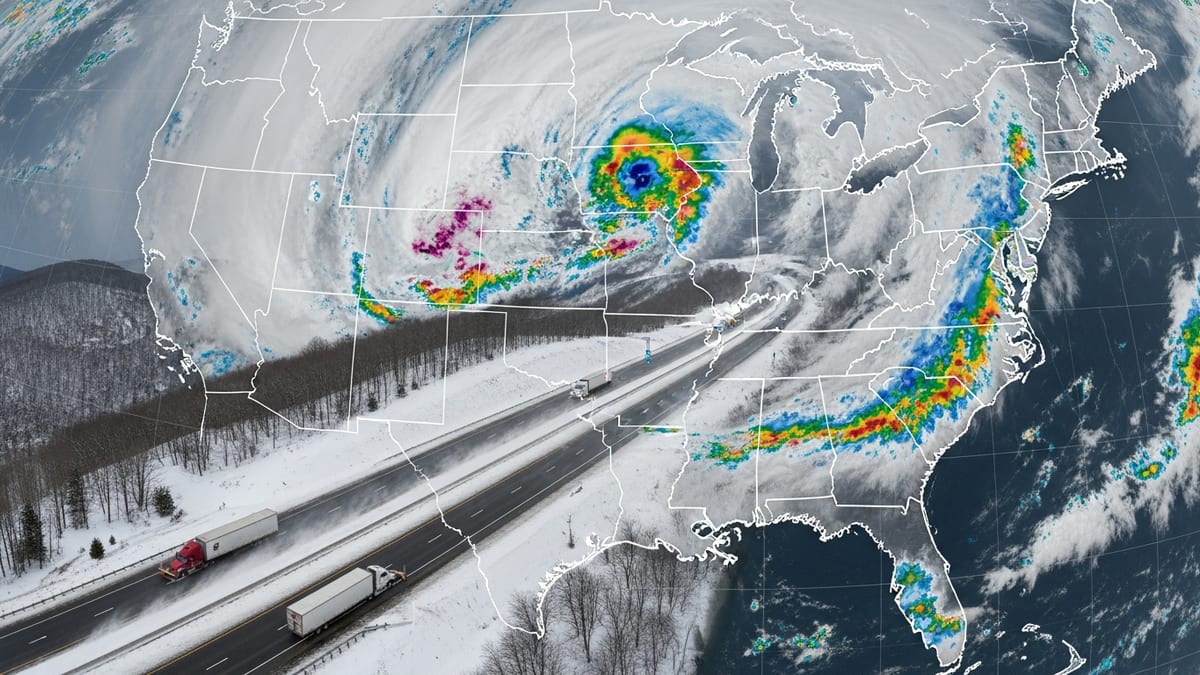
Yellow warning brings wet and windy conditions
The latest forecast for Leeds and the wider Yorkshire and Humber region points to outbreaks of rain and brisk winds moving across the area through Saturday, under a Met Office yellow severe weather warning. The alert highlights the risk of heavy downpours at times, reduced visibility in rain and mist, and gusty winds that could affect exposed routes and higher ground.
Publicly available guidance on yellow warnings indicates that while many people can continue with normal plans, there is an increased chance of localised travel disruption. Surface water on roads, spray reducing visibility for drivers and slower traffic on exposed sections of motorways and A roads are all identified as possible impacts. Isolated power interruptions and minor damage to trees or temporary structures are also described as potential issues under this level of alert.
Forecast data published early on Saturday notes that rain is expected to be most persistent across northern parts of the region before gradually easing overnight. However, showers may continue into the evening period, particularly over higher routes linking Leeds with the Pennines, keeping driving conditions unsettled for those returning from day trips or Halloween events.
The severe weather warning follows a stormy spell across the UK in late October, when named storms brought widespread transport disruption to northern England and Scotland. Although the current alert for Leeds is of a lower tier than recent amber wind warnings elsewhere, travel planners in West Yorkshire treat late October as part of the core season for adverse weather planning, and services are being operated with that context in mind.
Rail disruption as engineering works meet poor weather
Rail passengers travelling to, from or through Leeds on Saturday are contending with both the severe weather warning and extensive planned engineering work on key trans-Pennine and east coast corridors. National Rail’s disruption pages confirm that all lines are closed between Leeds, Selby, Church Fenton, Poppleton and York, and between York and Darlington and Redcar, for track and signalling upgrades.
Published timetables show that buses are replacing trains between Doncaster or Leeds and York and Darlington on Saturday 31 October and Sunday 1 November. Services operated by CrossCountry, London North Eastern Railway, Northern and TransPennine Express are among those affected, with direct bus links scheduled between Leeds and Darlington and limited-stop buses running between Doncaster, York and intermediate stations.
Northern’s service updates highlight that engineering work between York and Leeds via both Selby and Harrogate is in place from the early hours of Saturday. Passengers are advised to check journey planners before travelling, as some usual through services are suspended or diverted, and journey times may be significantly extended. In addition, those using rail replacement buses are reminded that journey times can be longer in wet and windy weather, especially where routes involve smaller A and B roads.
Network Rail documentation on adverse and extreme weather planning notes that reduced speeds and operational restrictions can be introduced where strong winds, heavy rain or flooding affect the network. With a yellow warning in force, operators retain the option to slow trains on exposed sections or revise timetables at short notice if conditions deteriorate, adding an extra degree of uncertainty for those attempting tight connections in Leeds.
Road traffic expected to slow on key corridors
For those travelling by road, the combination of heavy showers, gusty winds and seasonal darkness is expected to slow traffic on some of the main strategic routes serving Leeds. The city sits at the junction of several major corridors, including the M1, A1(M) and M62, as well as busy regional roads such as the A64 towards York and the A65 towards Skipton and the Dales.
Regional risk assessments produced for West Yorkshire highlight travel disruption from heavy rain and strong winds as a recurring issue each autumn and winter. Hazards include standing water on low-lying sections of dual carriageways, reduced braking distances, and an increased risk of minor collisions in poor visibility. Recent storm events across northern England also produced fallen branches and debris on roads, and transport planners remain alert to similar issues reoccurring under the latest warning.
With the severe weather coinciding with school half-term returns for some travellers, traffic levels around major shopping centres and key junctions on the Leeds outer ring road are anticipated to be higher than a standard weekend. Drivers heading to or from Leeds Bradford Airport or using popular routes east towards York and the coast may find their journeys extended by slower-moving traffic and temporary spray-related speed reductions.
Motoring organisations routinely recommend that, in these conditions, drivers allow extra time, increase following distances and ensure that lights and wipers are in good working order before setting out. Those towing caravans or driving high-sided vehicles on elevated sections of motorway are urged to pay particular attention to forecast wind gusts and any advisory speed limits implemented through roadside signalling.
Leeds Bradford Airport monitoring conditions closely
Leeds Bradford Airport, situated on high ground to the northwest of the city, is accustomed to challenging autumn and winter weather, including crosswinds and low cloud. Airport information available ahead of the weekend indicates that the terminal is operating normally, with no pre-announced schedule reductions linked specifically to the current weather warning.
Airlines serving the airport typically build a degree of flexibility into operations at this time of year, including additional time for de-icing when temperatures drop and contingency planning for aircraft and crew positioning. Airport documentation on operating conditions cites adverse weather as a potential cause of disruption under force majeure provisions, meaning that delays and diversions may occur at relatively short notice if wind or visibility fall outside aircraft or runway limits.
Recent storm systems earlier in October led to a mixture of delays, diversions and occasional cancellations at airports across northern England, and travel coverage noted knock-on disruption for connecting passengers. With another spell of unsettled weather over West Yorkshire, those heading to or from Leeds Bradford are being encouraged, through airline and airport channels, to keep an eye on live flight information and allow extra time to reach the terminal in case local roads are affected by spray or minor incidents.
Public transport connections to the airport, including bus services from Leeds and Bradford, may also experience delays if traffic slows on approaches to key junctions. Travellers with tight onward connections from Leeds rail station are being advised in publicly available guidance to factor in additional contingency time between modes while the yellow warning is in force.
What travellers in and around Leeds can do now
With the severe weather warning in place throughout Saturday and rail engineering works heavily curtailing direct train services, the overall picture for travel in and around Leeds is one of slower, more crowded and less predictable journeys rather than outright shutdowns. For many trips, especially within West Yorkshire, services are running, but they may take longer and involve different routes or replacement buses.
Public information from rail operators stresses the importance of checking journey planners on the morning of travel and again shortly before departure, as rail replacement bus departure points and times can differ from those of regular trains. Onward connections at hubs such as Leeds and York may not be guaranteed where weather conditions lead to late running, so travellers planning same-day returns are encouraged to choose earlier services where possible.
For road users, regional resilience plans emphasise simple preparations such as allowing extra travel time, ensuring mobile phones are charged, and carrying basic supplies on longer journeys in case of congestion. Those driving into rural areas or across higher ground to the west and north of Leeds are particularly advised to pay attention to changing conditions and be prepared for temporary delays due to minor incidents or localised surface water.
While conditions are not currently forecast to reach the severity of the most disruptive storms seen earlier in the autumn, travel across the Leeds area on Saturday is likely to feel slower and less certain than usual. For visitors and residents alike, the most practical response at this stage is close attention to up-to-date transport information and a willingness to adapt routes and timings as the weather and the network evolve through the day.