


More news on this day
Passengers flying from the United Arab Emirates on July 21, 2026, are being urged to closely monitor their bookings as some routes on Etihad, flydubai and Air France face cancellations or temporary suspensions linked to regional security concerns and operational pressures.
Get the latest news straight to your inbox!
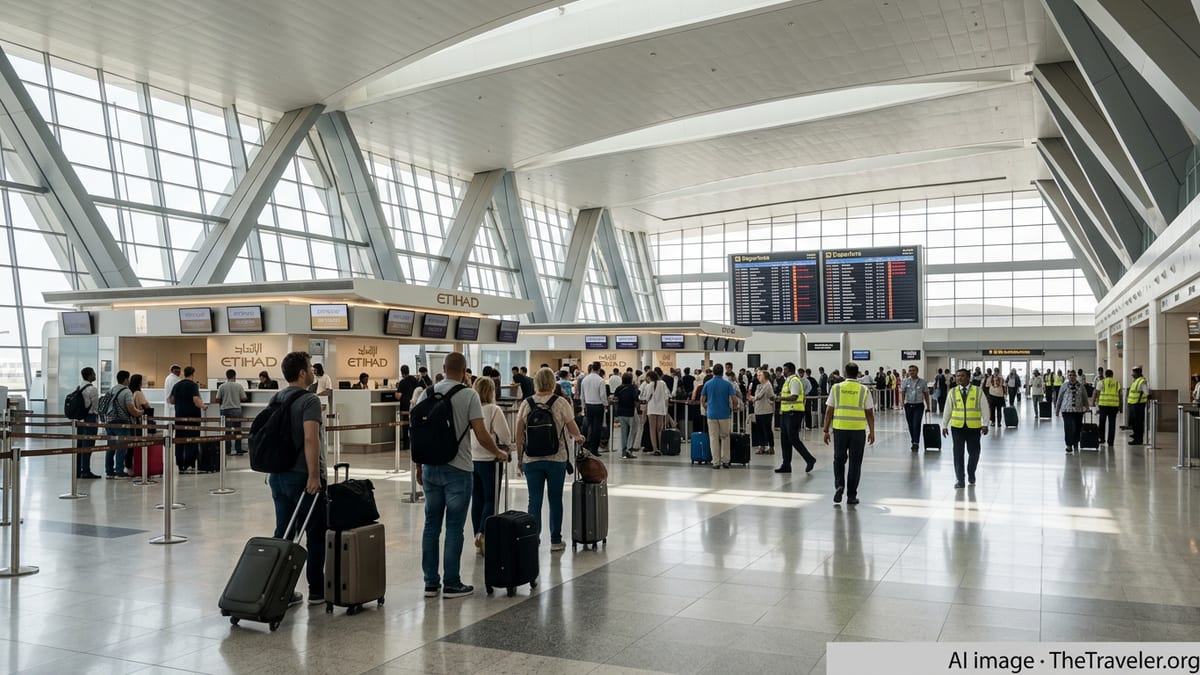
Air France extends suspension of Dubai flights amid regional tensions
Air France passengers planning to travel between Dubai and Europe are facing continued disruption after the carrier extended a temporary halt on flights to and from Dubai International Airport. According to recent regional coverage, Air France has paused its Dubai services for several days, with operations now expected to remain suspended until at least late July, as the airline reassesses safety and airspace conditions across the wider Middle East.
The pause on Dubai routes comes on top of earlier suspensions affecting other regional destinations such as Riyadh and Beirut, reflecting the wider operational uncertainty created by the ongoing conflict involving Iran and its neighbors. Publicly available reports on the economic impact of the 2026 Iran war describe widespread airspace closures and earlier waves of mass cancellations across Gulf hubs, including Dubai and Abu Dhabi, as authorities briefly shut or restricted airspace and carriers re-routed or grounded aircraft.
For travelers booked on Air France flights touching Dubai this week, current guidance is to check flight status on the airline’s digital channels before heading to the airport and to monitor messages from the carrier about rebooking options. Many affected passengers have been offered the choice of changing travel dates or routing via alternative hubs in Europe or the wider region, subject to seat availability.
While Dubai International Airport is operating, Air France’s ongoing pause illustrates how individual airlines may adopt more conservative operating policies than local airport authorities, especially when overflight permissions, insurance considerations and crew rostering are affected by evolving risk assessments.
Etihad maintains core schedule but extends select cancellations
In Abu Dhabi, Etihad Airways is operating the majority of its network but has extended targeted cancellations on specific regional routes. Coverage in UAE-based media indicates that flights EY653 and EY654 between Abu Dhabi’s Zayed International Airport and Kuwait City remain cancelled through at least July 24, after an earlier series of disruptions in the Gulf following airspace closures earlier in the year.
These selective cancellations follow a period in late winter and early spring when Etihad, along with other Gulf carriers, briefly suspended all scheduled commercial flights as Iranian strikes prompted temporary closure of UAE and neighboring airspace. Subsequent operational updates from airlines and travel companies noted that the country’s major airports later reopened and restored traffic, but with a new emphasis on flexible scheduling and contingency planning.
Recent traveler reports from aviation forums suggest that Etihad’s long haul network out of Abu Dhabi, including flights to North America and Europe, has largely stabilised in recent weeks, albeit with occasional significant delays when traffic is rerouted around restricted airspace. Flight tracking data for services such as EY21 between Abu Dhabi and Toronto has shown irregular departure times on some days, underlining that schedules remain vulnerable to upstream disruptions.
Passengers flying Etihad today are being advised to arrive early at Zayed International Airport and to verify their flight status repeatedly in the 24 hours before departure. Travel experts also highlight the importance of ensuring that contact details in bookings are up to date, so that last minute timetable changes or aircraft swaps can be communicated quickly.
flydubai operations steady, but travelers warned to expect late changes
Low cost carrier flydubai continues to operate a broad schedule from Dubai International and Al Maktoum International, with only isolated cancellations or delays visible on real time tracking services. Most recent operational information shows the airline focusing on schedule adjustments within normal commercial parameters, such as retiming arrivals and departures or altering equipment on busier routes.
While there is no current blanket advisory from flydubai indicating mass cancellations linked to the regional security situation, flight tracking data shows that individual services can still experience late changes to times or routings, particularly where overflight permissions change or congestion builds in alternative air corridors. Travelers connecting on separate tickets are therefore being urged by travel advisers to leave extra time between flights, particularly when self-connecting between flydubai and other carriers in Dubai.
Flydubai’s published guidance continues to direct passengers to its website and mobile app for the latest operational updates and to manage rebooking where eligible. Industry observers note that, compared with the peak of disruption earlier in 2026, the carrier’s network appears more resilient, but that the underlying geopolitical drivers of risk in the region remain unresolved.
Budget conscious travelers flying today are being encouraged to balance fare savings against the potential costs of missed onward connections or additional nights of accommodation if schedules shift at short notice, especially on longer multi leg itineraries.
What current travel advisories say about flying from the UAE
Several governments have updated travel advisories for the United Arab Emirates and its neighbors in recent weeks, reflecting heightened regional tensions. Public information from multiple foreign ministries frames the overall security situation in the UAE as more unpredictable than in previous years, with particular emphasis on the potential for airspace changes, missile or drone activity in the wider region, and rapid adjustments to airline operations.
One recent advisory notes that the UAE’s airspace and major hubs in Abu Dhabi and Dubai could be subject to temporary closure or restrictions at short notice if the regional conflict escalates. Other official notices advise travelers transiting the UAE to maintain flexible plans, purchase comprehensive travel insurance that covers conflict related disruption, and stay alert to local security updates during their journey.
The United States, European countries and regional partners have separately issued or refreshed guidance for citizens, in some cases urging reconsideration of non essential travel to the wider Gulf region while stopping short of advising against transit through major hubs. These advisories are not binding but can influence insurance coverage, corporate travel policies and airline assessments of route viability.
Passengers departing the UAE today are therefore navigating a layered risk environment in which airports are open and airlines are flying, but the broader backdrop remains volatile. Industry analysts suggest that this dynamic is likely to persist through the northern summer season, with the potential for further, short notice adjustments to schedules if tensions flare.
Practical steps for passengers flying today
For travelers due to leave from Dubai or Abu Dhabi on July 21, 2026, practical preparation is being emphasised as the best way to manage uncertainty. Airlines operating from the UAE continue to recommend that passengers use carrier apps and online tools to check in, confirm flight status and receive push notifications about changes. Many carriers also offer the option to register for text message alerts, which can be crucial when schedule changes occur while passengers are already en route to the airport.
Travel industry specialists advise arriving earlier than usual, particularly for long haul flights or complex itineraries involving multiple airlines. At present, both Dubai International and Abu Dhabi’s Zayed International Airport are reported to be functioning normally, but additional security screening and shifting departure times can affect queues at immigration, security and boarding gates, especially at peak times overnight and early morning.
Passengers whose flights with Etihad, flydubai or Air France have been cancelled or significantly delayed are being encouraged to keep documentation of all disruption related expenses and communications, which can assist in seeking refunds, rebooking assistance or insurance claims. Conditions vary by airline and ticket type, and in many cases conflict related disruption is treated differently from routine operational delays, so checking fare rules and policy pages carefully remains essential.
With the regional security picture still subject to change, aviation analysts expect airlines serving the UAE to continue fine tuning their schedules over the coming days. For anyone flying today, the central message is to stay informed, stay flexible and be prepared for the possibility of last minute changes, even when airports appear to be operating as normal.