


More news on this day
The United Arab Emirates is set to launch its first national passenger rail services on June 30, introducing an inaugural Abu Dhabi to Fujairah route that significantly cuts cross-country travel times and marks a new era for intercity transport in the Gulf state.
Get the latest news straight to your inbox!
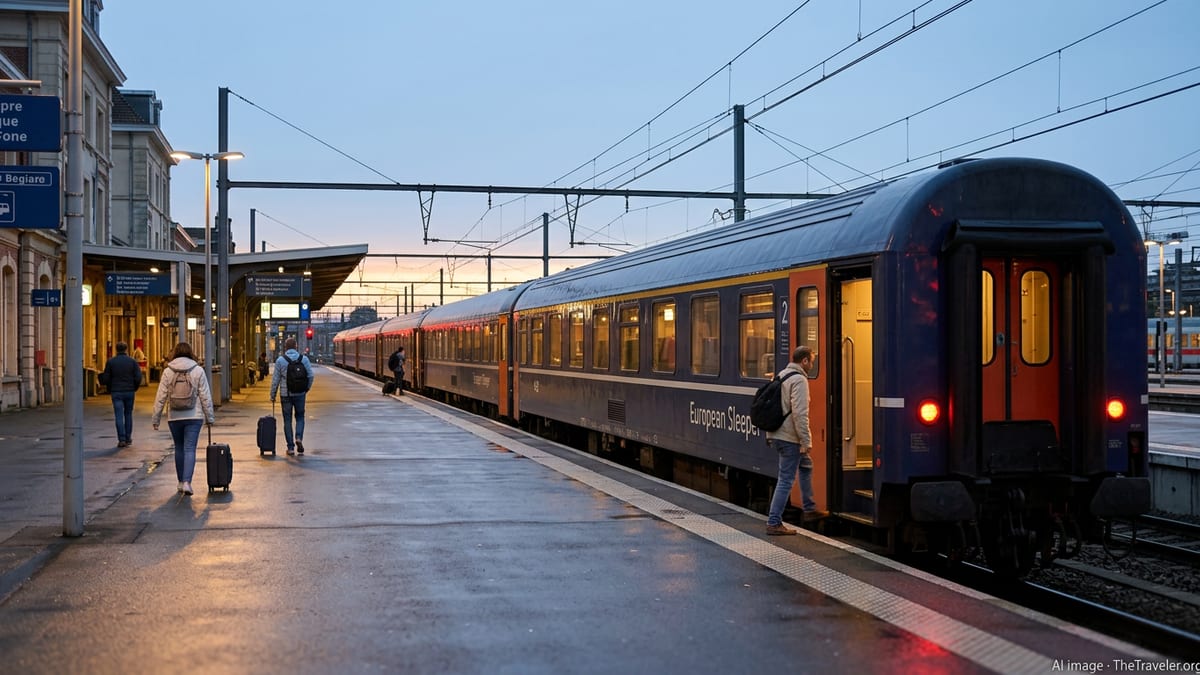
Introductory Abu Dhabi–Fujairah service to start operations
According to published coverage, the introductory operational phase of Etihad Rail’s passenger network will begin on June 30 with services between Abu Dhabi and Fujairah. Publicly available information indicates that the journey between the capital and the east coast emirate is expected to take around 1 hour and 45 minutes, less than half the typical driving time at peak periods.
Reports indicate that the first trains will run from the new Mohammed bin Zayed City passenger station in Abu Dhabi, connecting to a terminus in Fujairah on the Gulf of Oman. The launch creates the UAE’s first public intercity rail option, supplementing existing road and air links and offering a new choice for residents and visitors moving between the country’s western and eastern coasts.
Coverage of the project notes that the introductory phase is being described as a step toward full commercial operations, allowing the operator to gradually scale frequencies and passenger capacity. The initial focus is on reliability, punctuality and familiarising travelers with a long-distance rail mode that has not previously existed within the federation.
Available information suggests that the service will operate with reserved seating and distinct travel classes, positioning the trains as a comfortable long-distance option rather than a high-frequency commuter line in its first phase.
Fares, capacity and on-board experience
Ticketing details published by regional outlets show starting one-way fares of around 55 dirhams for a Comfort Class seat and approximately 120 dirhams for a higher-tier Premium Class on the Abu Dhabi–Fujairah route. Early information describes a launch promotion period, with pricing framed as an introductory offer designed to stimulate trial among leisure and business travelers.
Reports on the fleet indicate that 13 trainsets will be available for passenger operations, each designed to carry up to about 400 passengers. The trains are being presented as offering air-conditioned coaches, ergonomic seating, and modern amenities such as power outlets and digital information systems, aligning the experience with long-distance services in established rail markets.
Publicly available material highlights an emphasis on accessibility, including step-free access from platforms and spaces set aside for travelers with reduced mobility. Operators are also promoting the trains as a quieter and less stressful alternative to highway driving, particularly on busy weekend and holiday travel days.
Booking channels are expected to include a dedicated mobile application, web-based reservations and in-station ticket machines. This multichannel approach is intended to make it straightforward for both residents and tourists to purchase and manage journeys in advance of travel.
Network to expand across the UAE in phases
Information shared by regional news outlets shows that the June 30 launch is the first step in a broader national network that will eventually link multiple emirates and key inland hubs. Published timelines indicate that the wider passenger system is scheduled to move into an official launch phase around September 30, with Dubai and Al Dhaid stations joining the network.
Further expansion is expected toward the end of 2026, with additional stops in the Al Dhafra region in western Abu Dhabi emirate. Publicly available planning documents and prior announcements also reference a future station in Sharjah, projected to bring the core network to completion in 2027 and extend rail connectivity deeper into the northern emirates.
The staged rollout approach is being described in industry analysis as a way to align construction, testing and staff training with actual passenger demand. By phasing the opening of lines and stations, the operator can gather data on travel patterns and adjust timetables, rolling stock allocation and first- and last-mile links to match observed usage.
Longer term, Etihad Rail’s passenger network is intended to integrate with freight operations already running on parts of the national rail corridor, as well as with potential cross-border connections to other Gulf Cooperation Council states if regional rail plans proceed.
Integration with wider transport and economic strategy
Transport sector observers note that the passenger rail launch fits into a wider UAE strategy to diversify mobility, reduce congestion on busy highways and support sustainable growth in tourism and trade. Publicly available information from past planning documents frames Etihad Rail as a backbone corridor intended to complement metro, tram and intercity bus systems, not replace them.
Analysts point out that the Abu Dhabi–Fujairah line will improve access to leisure destinations on both coasts, including coastal resorts, desert attractions and new residential communities situated along or near the rail corridor. The service is also expected to support domestic tourism by making weekend trips more convenient for residents who currently rely on long car journeys.
From a logistics perspective, the coexistence of freight and passenger operations on parts of the network is being viewed as a way to maximise the economic impact of the rail investment. Freight services already move significant volumes of bulk commodities across the country, and passenger operations are seen as a way to extend the network’s value into the consumer travel market.
Environmental benefits form another part of the narrative around the launch. Industry studies cited in local coverage suggest that shifting a portion of intercity trips from private cars to rail could help reduce emissions per passenger-kilometre, particularly as the UAE explores cleaner energy sources for its power grid.
What travelers can expect from the June 30 debut
Travel reports indicate that the first phase timetable will prioritise direct journeys linking Abu Dhabi and Fujairah without complex transfers. Journey planning tools and published route maps are expected to highlight key station locations, parking facilities and links to local taxi and bus services to support first- and last-mile connectivity.
Passengers booking for the opening weeks can expect a reserved-seat experience, with allocated seating in Comfort and Premium sections. While exact frequencies have not yet been detailed in publicly available schedules, industry reporting suggests a measured ramp-up, with room to increase services in response to uptake during the busy summer and autumn travel periods.
Observers note that the success of the launch will depend not only on travel times and pricing, but also on how effectively the new rail option integrates with existing urban transport networks in each emirate. Future connections to systems such as the Dubai Metro and regional bus routes are frequently highlighted in planning discussions as critical to unlocking the full potential of the national rail network.
For now, the June 30 start of Abu Dhabi–Fujairah services represents a significant milestone for the UAE, bringing the country’s long-discussed vision for national passenger rail into active operation and providing travelers with a new way to cross from the Arabian Gulf to the Gulf of Oman in one continuous journey.