


More news on this day
UAE residents planning summer trips to Cairo, Beirut, Amman and Damascus are facing sharp airfare increases of up to 35 percent in July 2026, as strong seasonal demand, constrained capacity and higher operating costs combine to push ticket prices well above last year’s levels.
Get the latest news straight to your inbox!
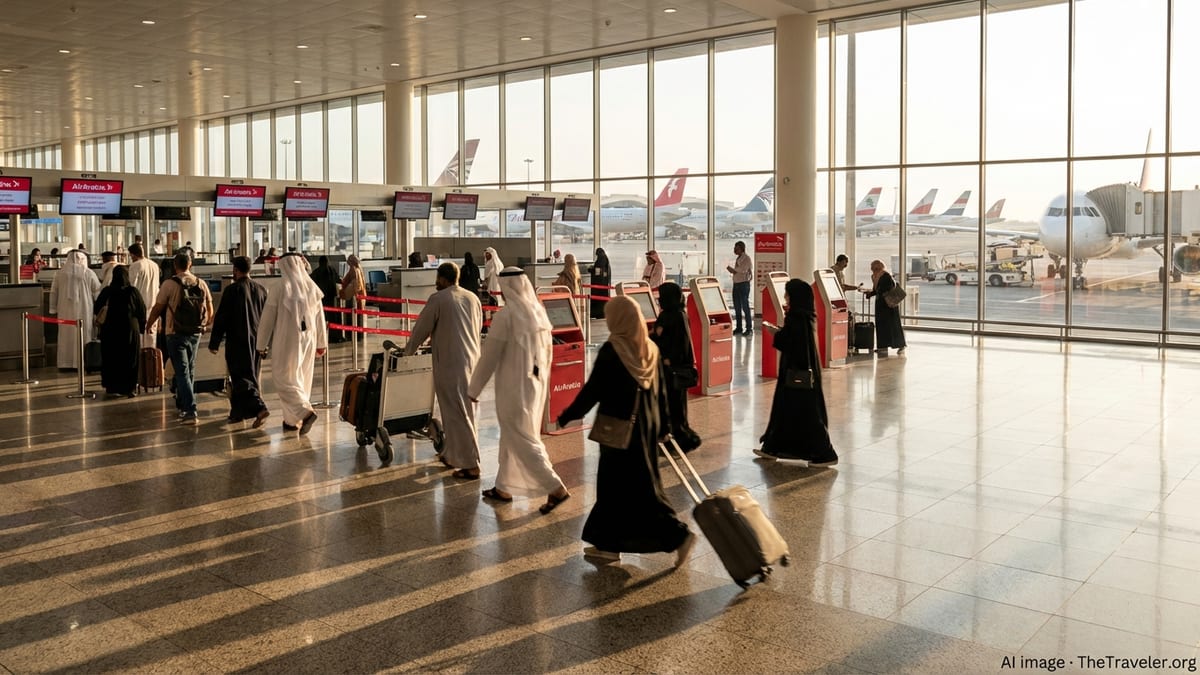
Peak-July Fares Spike on Key Arab Routes
Recent fare tracking across major booking platforms shows that outbound flights from Dubai and Abu Dhabi to several high-demand Arab capitals are set for a steep jump as the school holidays begin and the main summer travel window opens. Reports indicate that average economy fares on direct flights to Cairo in July are already pricing around one third higher than in June, with similar patterns emerging on services to Beirut, Amman and Damascus.
Gulf-focused business outlets report that airfares from the UAE to these destinations are expected to rise by between 25 percent and 35 percent in July compared with shoulder-season levels, singling out Cairo, Beirut, Amman and Damascus among the routes seeing the largest percentage gains. On some dates, particularly in the first half of July, the lowest economy tickets are vanishing weeks earlier than in previous years, leaving many travellers to choose between flexible premium options or inconvenient transit routings.
Separate Arabic-language coverage of the UAE aviation market has also highlighted projected airfare increases of up to 35 percent for July 2026 departures to key regional cities, citing aggregated price data from multiple travel agencies and online sellers. These reports point to a broad uplift in fares across the most popular Arab destinations, reinforcing the picture of a sharply more expensive peak season for families and expatriates travelling home.
The current pattern follows several earlier mini-peaks around Eid and spring breaks, when fares on some regional routes briefly climbed much higher than baseline January and February levels. Industry trackers note that these repeated surges have effectively reset travellers’ expectations, normalising higher price bands on flights that were once considered reliably affordable.
Fuel Costs, Airspace Constraints and Limited Seats Drive the Squeeze
Behind the eye-catching fare increases lies a mix of structural and short-term pressures on Middle East aviation. Regional business media report that airlines serving the UAE continue to face elevated jet fuel costs, which remain above pre-pandemic averages. Carriers are attempting to recover these higher input costs through selective yield management on routes where demand is strongest and competition is constrained.
Analysts also point to ongoing airspace restrictions and operational bottlenecks around conflict zones as a factor pushing up fares to parts of the Levant. Earlier coverage of travel from the UAE to Jordan, Lebanon and Syria described ticket price rises of 15 to 20 percent during summer 2025 after airspace closures prompted reroutings, schedule reshuffles and capacity reductions. Similar constraints are still being reported in 2026, contributing to longer routings and higher per-seat operating costs into cities such as Beirut and Damascus.
Capacity on some of these routes remains tightly managed, even as demand recovers. While major Gulf carriers have restored or expanded service on trunk leisure and expatriate corridors, the pace of additional seat deployment to politically sensitive or infrastructure-constrained markets has been more cautious. Publicly available airline schedules show only incremental increases on certain Egypt and Jordan frequencies through 2025 and early 2026, suggesting that carriers prefer to protect high yields rather than flood the market with extra inventory.
Trade press commentary indicates that the overlap of the Hajj season, school holidays and summer leave windows in 2026 is further amplifying peak pressures. Recent reports from UAE-based travel industry surveys suggest that fares on busy regional routes can now climb by 30 percent or more when these calendar peaks coincide, with Arab destinations particularly exposed because of strong family and religious travel components.
Families and Budget Travellers Scramble for Affordable Options
For many UAE residents with roots in Egypt, Lebanon, Jordan and Syria, summer trips to visit family are not easily postponed. Consumer coverage in regional outlets describes households cutting back on non-essential spending, shortening trips or staggering family members’ travel dates in an effort to keep overall budgets under control as ticket prices rise.
Advisories compiled from online travel agencies and price-comparison tools recommend that travellers seeking lower fares to Cairo, Beirut, Amman and Damascus this summer focus on shoulder dates outside the absolute peak of early to mid-July, and be prepared to adjust departure airports or accept one-stop itineraries. Some fare analyses suggest that flying a few days before the main school break, or returning in late August rather than early September, can reduce total ticket costs by as much as 15 to 20 percent compared with the highest-priced weeks.
Budget-conscious travellers are also reportedly paying closer attention to baggage rules and ancillary fees. With many lower-tier tickets on regional carriers now sold on a hand-luggage-only or light-baggage basis, the effective price gap between the cheapest and mid-range economy fares can narrow significantly once add-ons are included. Consumer travel columns note that families booking early and opting for inclusive bundles often achieve better value than those chasing ultra-low base fares closer to departure.
Despite the higher prices, demand remains resilient. Regional tourism and payments data for recent summers show robust outbound visitor numbers from the Gulf to Egypt and Jordan, along with strong spending growth in popular resort and heritage destinations. This underlying appetite for travel is giving airlines confidence that most peak-season capacity will be sold, even at materially higher fare levels than in past years.
What Travellers Can Do Now to Avoid the Worst of the Surge
With July only weeks away, travel industry guidance converges on a few practical steps for those still hoping to secure more affordable tickets from the UAE to Cairo, Beirut, Amman or Damascus. First, travellers are urged to lock in dates as soon as possible rather than waiting for last-minute deals, which have become increasingly rare on these pressured routes. Fare trackers frequently show the lowest booking classes disappearing between four and eight weeks before departure on peak July and early August flights.
Second, published price analyses indicate that midweek departures and returns often carry a noticeable discount compared with popular weekend travel days. Shifting a trip by even one or two days, particularly away from Fridays and Saturdays, can open up cheaper fare buckets or less crowded connections on hub carriers.
A third lever is route flexibility. While direct services from Dubai or Abu Dhabi are typically preferred, some travellers are routing via secondary Gulf or regional hubs where schedules and fares permit. Travel advisories stress the importance of checking minimum connection times, visa requirements and the risk of missed onward flights before choosing multi-ticket or self-connecting itineraries purely on price.
Finally, industry commentators highlight the value of monitoring fare trends using alert tools that track specific routes and dates. Given that capacity additions or short-term promotional sales can occasionally bring brief dips in prices, automated alerts may help well-prepared travellers capture limited-time discounts before seat inventories tighten again.
Outlook: Elevated Prices Likely to Persist Beyond Summer 2026
Looking beyond this summer, forecasts from airline executives and aviation analysts suggest that elevated fares on many regional routes are unlikely to unwind quickly. Commentary in regional business newspapers notes that, even as global jet fuel markets stabilise, carriers are under pressure to fund fleet renewal, sustainability investments and network diversification, reinforcing their focus on revenue per seat.
Market watchers expect that flights linking the UAE with major Arab capitals will remain among the most yield-sensitive in airline portfolios, given the combination of strong visiting-friends-and-relatives traffic, limited low-cost competition on some city pairs and continuing geopolitical uncertainty affecting airspace and insurance costs. As a result, year-round base fares may settle at a new, higher plateau compared with pre-pandemic norms, with only occasional off-peak dips.
For travellers, this environment is likely to reward those who plan earlier, stay flexible on dates and routings, and treat traditional “budget” destinations such as Cairo or Amman with the same level of advance preparation now required for long-haul holiday markets. While the anticipated 35 percent surge in peak-summer fares is causing frustration among UAE-based families, it also reflects the enduring strength of regional travel links and the premium that airlines believe the market will bear.